Let's be honest. Most pesto chicken sandwiches are a letdown. Dry, overcooked chicken breast slapped between two pieces of bread with a smear of oily, jarred pesto that tastes more like grass than vibrant basil. It's a tragedy, because when done right, this sandwich is a masterpiece. Juicy, herbaceous, creamy, with a texture that keeps you coming back for another bite.
I've spent years tweaking this recipe, learning from mistakes (so many dry sandwiches), and figuring out the non-negotiable steps that separate a good sandwich from a legendary one. This isn't just a list of ingredients. It's a foolproof system.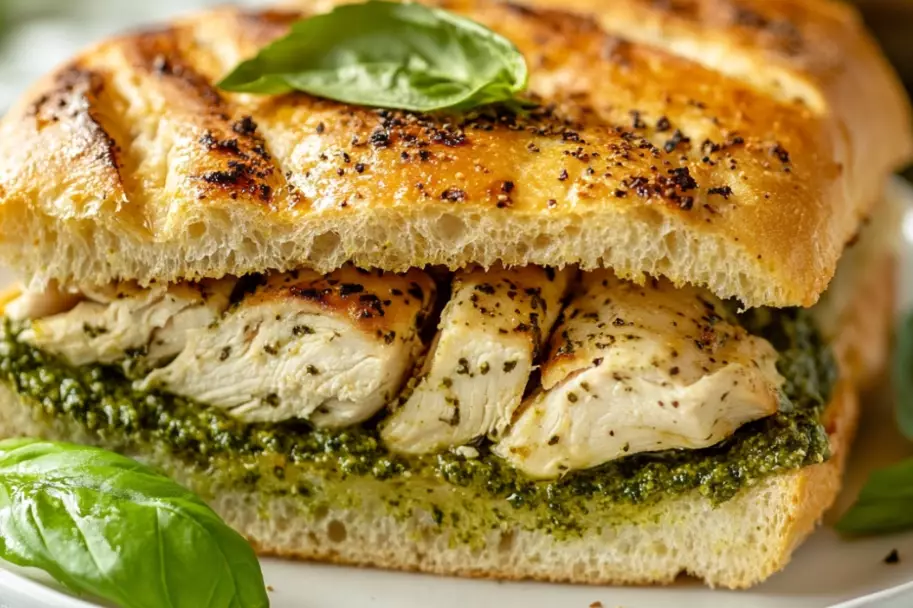
What's Inside This Guide
The Foolproof Recipe & Ingredients
Great food starts with great ingredients. You can't hide poor quality here. Let's break down what you need and why each component matters.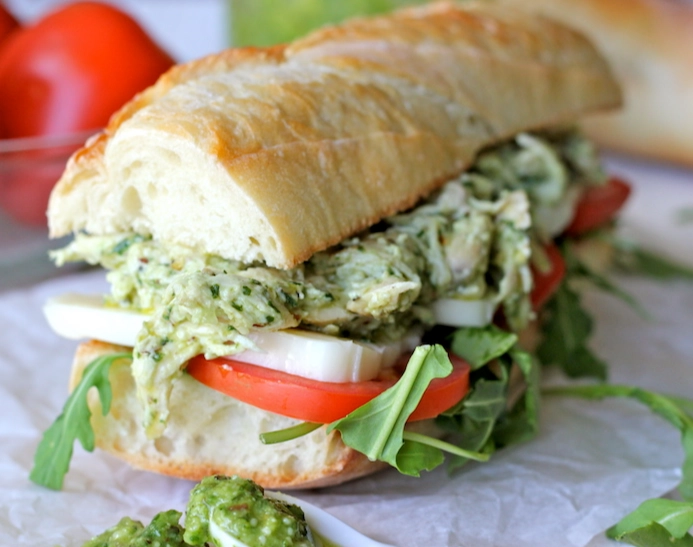
For the Chicken & Marinade:
- 2 boneless, skinless chicken breasts (about 6 oz each): Look for ones of similar size. Pounding them even is crucial.
- 1/2 cup fresh basil pesto (homemade is best, see below): This is your flavor engine.
- 1 tablespoon olive oil
- 1 tablespoon lemon juice: The acid brightens the pesto and helps tenderize the chicken.
- 1/2 teaspoon kosher salt, 1/4 teaspoon black pepper
For the Sandwich Build:
- 4 slices of artisanal bread: Ciabatta, focaccia, or a sturdy sourdough. Flimsy bread will collapse.
- 4 slices of mozzarella or provolone cheese: For that essential melt.
- 1 large tomato, sliced
- Handful of arugula or fresh spinach
- Butter or mayonnaise: For toasting the bread. Mayo gives a deeper golden crust.
- Extra pesto for spreading (optional, but recommended)
Quick Homemade Pesto (5-minute version):
- 2 cups packed fresh basil leaves (stems removed)
- 1/3 cup pine nuts or walnuts (toasted in a dry pan for 1 minute)
- 2 garlic cloves
- 1/2 cup freshly grated Parmesan cheese
- 1/2 cup extra-virgin olive oil
- Salt and pepper to taste
Blitz everything except the oil in a food processor. Then, with the motor running, slowly drizzle in the oil until emulsified. Taste and adjust. Done.
See the difference already? We're not just dumping jarred sauce on chicken. We're using pesto as a marinade and a condiment, building layers of flavor.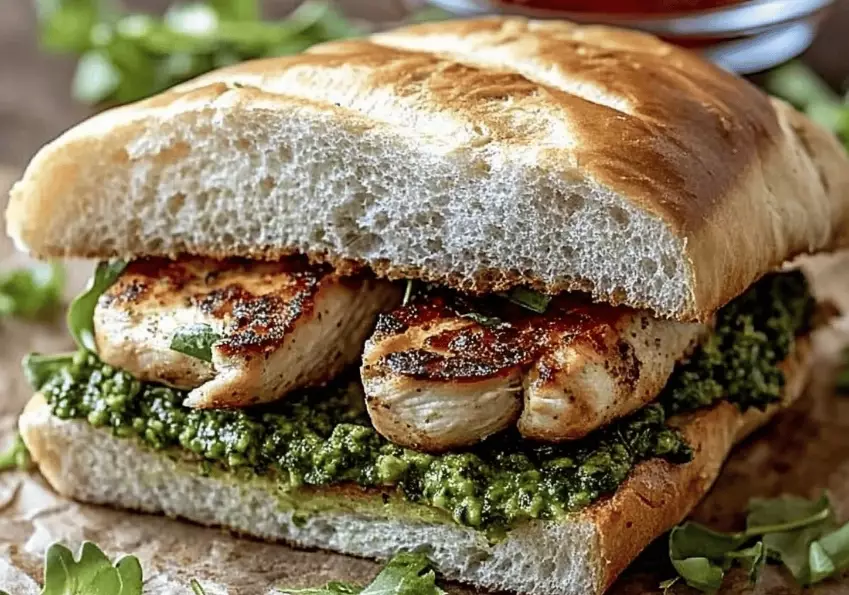
Step-by-Step Assembly & Cooking
This is where most people go wrong. They cook the chicken plain, then add pesto at the end. We're going deeper.
1. Prepare the Chicken
Place the chicken breasts between two sheets of plastic wrap or in a zip-top bag. Use a rolling pin, skillet, or meat mallet to pound them to an even 1/2-inch thickness. This isn't just for tenderizing; it ensures the chicken cooks quickly and evenly, eliminating those dry edges and undercooked centers.
2. The Marinade (It's Not Optional)
In a bowl, mix 1/4 cup of the pesto with the olive oil, lemon juice, salt, and pepper. Add the pounded chicken, coat it well, and let it marinate for at least 20 minutes at room temperature, or up to 4 hours in the fridge. This short marination infuses the chicken with basil and garlic flavor from the inside out.
3. Cook to Perfection
Heat a grill pan, skillet, or outdoor grill to medium-high heat. Shake off excess marinade and cook the chicken for 4-5 minutes per side, or until the internal temperature reaches 155-160°F (68-71°C). Yes, that's below the USDA's recommended 165°F. Here's why: carryover cooking. When you pull the chicken off the heat and let it rest for 5-10 minutes, the temperature will continue to rise to a safe 165°F while the juices settle back into the meat. This is the single most important trick for juicy chicken.
4. Build the Sandwich
While the chicken rests, toast your bread. Spread a thin layer of butter or mayo on the outer sides of each slice and toast in a clean skillet or panini press until golden. On the inner side of the bottom slice, spread a thin layer of extra pesto. Add the cheese slice (this helps create a moisture barrier). Top with sliced tomato, a handful of arugula, then the rested chicken (slice it if you like). Add the top piece of toasted bread.
That's it. You now have a sandwich that's structurally sound and explosively flavorful.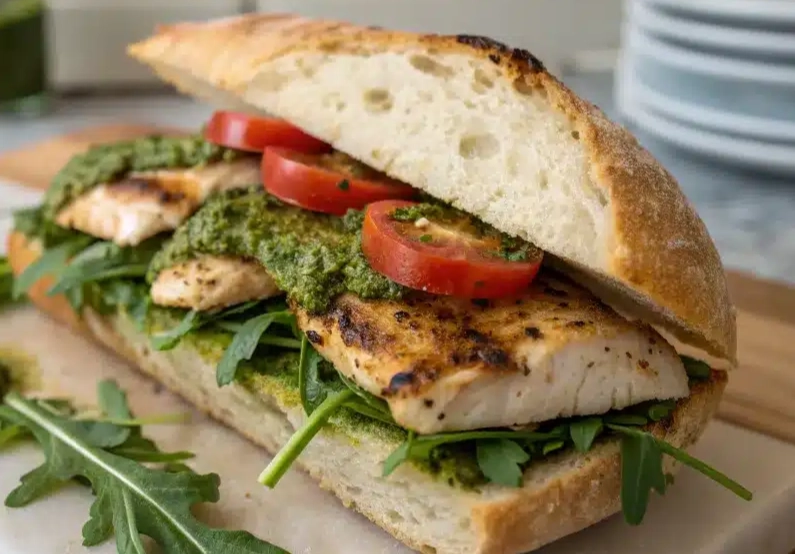
Next-Level Techniques for the Best Sandwich
You've got the basics. Now let's talk about the nuances that make your sandwich stand out.
The Bread Dilemma: Ciabatta vs. Focaccia vs. Sourdough
Your bread choice changes the entire experience.
- Ciabatta: My go-to. The open crumb and crisp crust hold up to juicy fillings without getting soggy. It's chewy and substantial.
- Focaccia: Adds a wonderful herbal, olive oil-rich flavor. Softer than ciabatta, so eat it quickly.
- Sourdough: Provides a pleasant tang that cuts through the richness of the pesto and cheese. Choose a loaf with a sturdy crust.
Avoid pre-sliced sandwich bread. It turns to mush.
The Cheese Melt: A Science
Placing the cheese directly against the warm toasted bread helps it melt into a glorious, gooey layer that acts as a sealant against sogginess. For maximum melt, after assembling, wrap the whole sandwich in foil and let it sit for 2-3 minutes. The residual heat from the chicken and bread will perfectly soften the cheese without making everything steamy.
Pesto Pitfalls and How to Avoid Them
Homemade pesto can separate or turn brown. To keep it vibrant green: blanch the basil leaves for 10 seconds in boiling water, then shock in ice water before blending. This locks in the color. If your pesto separates, just stir it back together. It's oil and solids—they're supposed to separate when sitting.
And please, for the love of all that is good, don't use dried basil. It tastes like hay.
Your Common Questions, Answered
I've gotten countless questions over the years. Here are the ones that come up every single time.
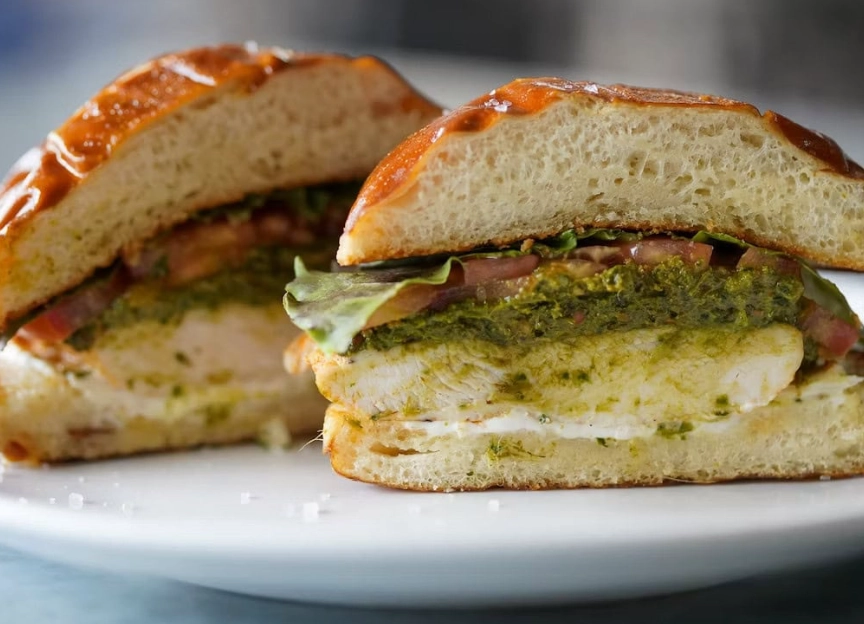 The beauty of this pesto chicken sandwich is its versatility. Once you master the core technique—juicy chicken, flavorful pesto, smart assembly—you can run with it. Add roasted red peppers, swap mozzarella for fresh burrata, or throw some bacon on there. You've got the foundation. Now go make a sandwich that doesn't suck.
Reader Comments