I almost gave up on quinoa. For years, my stovetop attempts were a gamble. Sometimes fluffy, often a bit soggy, occasionally burnt on the bottom. It felt fussy. Then, out of sheer laziness one Tuesday night, I dumped rinsed quinoa and water into my basic, decade-old rice cooker and hit "cook." What came out was a revelation—consistently separate, tender grains, with zero babysitting. It wasn't luck. It turns out the rice cooker's automated steam-and-heat cycle is practically engineered for quinoa.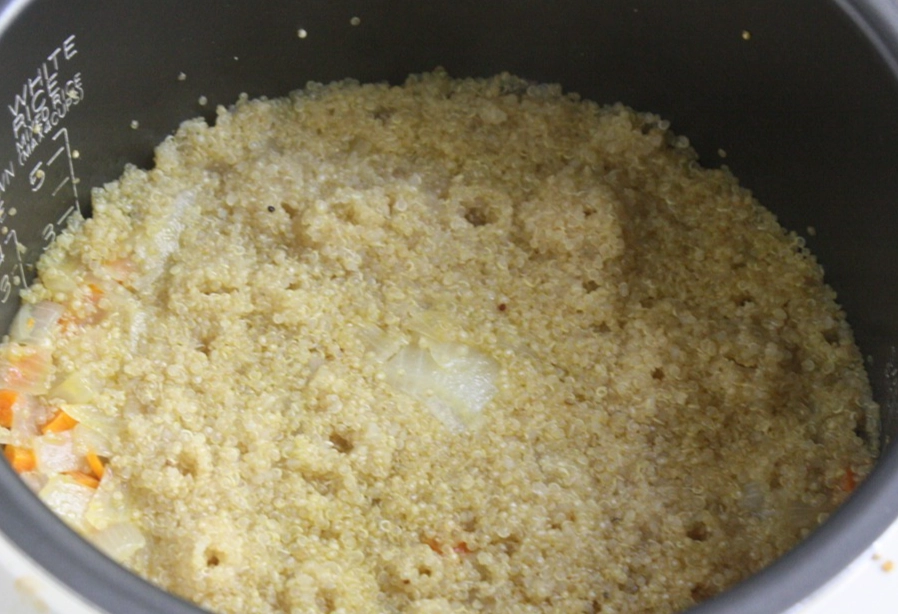
What's Inside: Your Quick Guide
Why Using a Rice Cooker for Quinoa is a Brilliant Idea
Think about what a rice cooker does. It brings contents to a boil, maintains a simmer, and then switches to a "keep warm" mode once it senses all the water is absorbed. Sound familiar? It's the exact process you try to manually control on the stovetop. The machine just does it perfectly every single time.
Hands-off consistency is the biggest win. No more peeking under the lid, releasing steam, and messing with the cooking time. You set it and forget it. This makes it ideal for meal prep—cook a big batch on Sunday for the week.
It's also incredibly simple. Rinse, add water, press a button. If you can make rice, you can make quinoa. This lowers the barrier for anyone intimidated by cooking this healthy grain.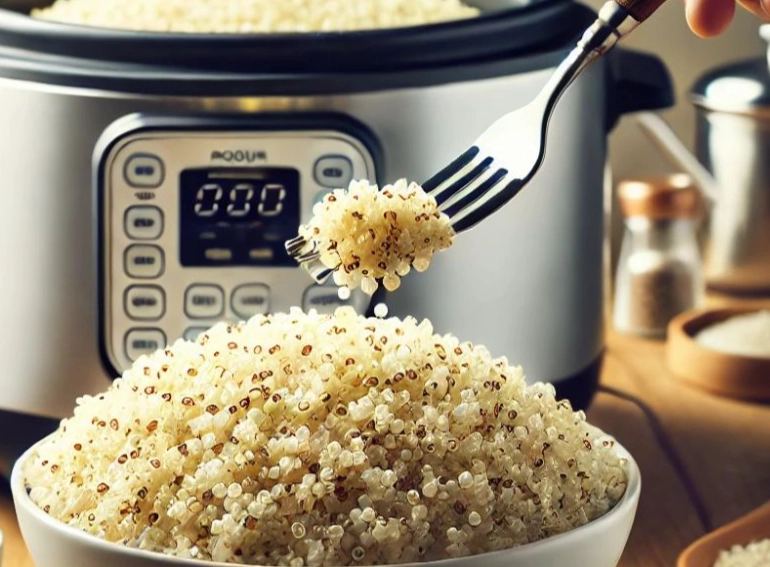
How to Cook Perfect Quinoa in a Rice Cooker: A Step-by-Step Guide
Let's break down the process. I'm assuming you have a standard rice cooker with just a "Cook" and "Warm" setting. Fancy fuzzy-logic models work even better, but the basics are the same.
1. Rinse the Quinoa (Don't Skip This!)
This is the step everyone says is important, but few explain why thoroughly. Quinoa has a natural coating called saponin, which tastes bitter and soapy. A quick rinse isn't enough. Use a fine-mesh strainer and run cold water over the quinoa for a good 60-90 seconds, agitating it with your fingers. The water will go from cloudy to mostly clear. This removes the saponin and prevents a bitter aftertaste. I've tasted unrinsed quinoa side-by-side with rinsed—it's a stark difference.
2. The Transfer and Measure
Shake the strainer well to remove excess water. This residual water counts towards your total liquid. This is a subtle point many miss. If your quinoa is dripping wet, you might need to reduce your added water by a tablespoon or two. Add the rinsed quinoa to the rice cooker bowl.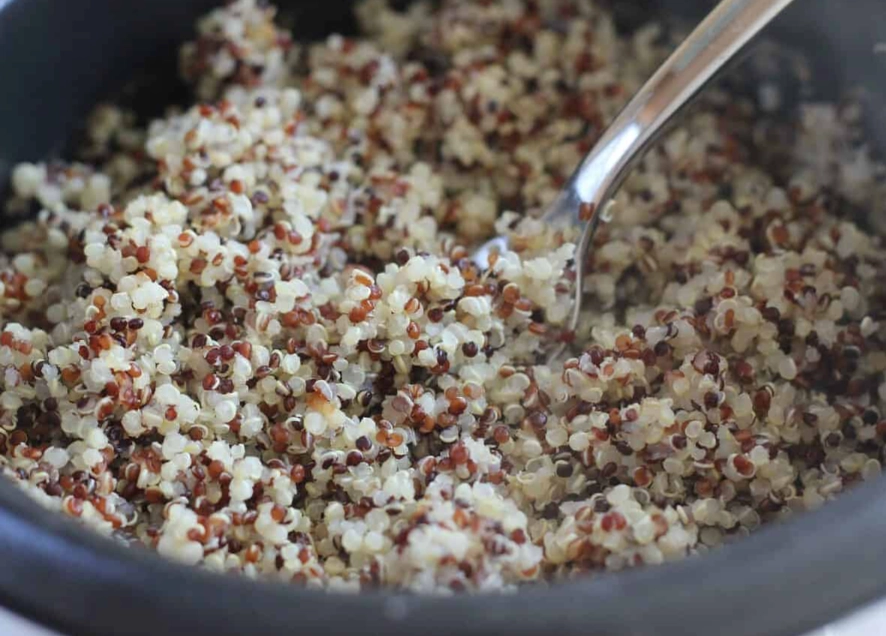
3. Add Liquid and a Pinch of Salt
Here’s where precision matters. For 1 cup of dry, rinsed quinoa, add 1 ¾ cups of liquid. The liquid can be water, broth, or coconut milk for flavor. Add a pinch of salt. Stir once to distribute.
Why 1.75:1 and not the common 2:1? The sealed rice cooker loses less water to evaporation than an open pot, so you need slightly less. Using 2:1 is the most common reason people end up with mushy rice-cooker quinoa.
4. Cook and Rest
Close the lid. Select the "White Rice" or standard cook setting. Press start. Walk away. Do not open the lid. The cooker will click over to "Warm" when it's done. This is crucial: let it sit on "Warm" for 10-15 minutes. This resting period allows the steam to fully finish cooking the grains and for any residual moisture to distribute evenly. It's the final touch for perfect fluffiness.
5. Fluff and Serve
After resting, open the lid. You'll see little "tails" (the germ) curled away from the seeds—a sign of well-cooked quinoa. Use a fork or the rice paddle to fluff the quinoa gently from the bottom up. This separates the grains and releases excess steam, preventing sogginess.
The Golden Rule: Nailing the Quinoa-to-Water Ratio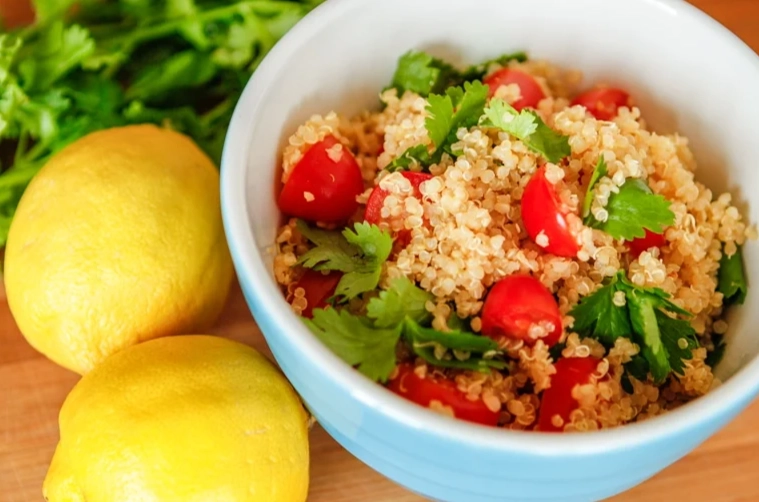
This is the heart of the method. Get this wrong, and the result suffers. Here’s a quick reference table for different batch sizes, assuming you're using the standard cook setting.
| Dry Quinoa (cups) | Liquid (cups) | Approx. Cooked Yield | Notes |
|---|---|---|---|
| 1 | 1 ¾ | 3 cups | The perfect test batch. |
| 2 | 3 ½ | 6 cups | Ideal for weekly meal prep. |
| 3 | 5 ¼ | 9 cups | For a crowd or big family. |
Adjustments to consider:
For broth or stock: Use the same volume. Low-sodium is best so you control saltiness.
For older quinoa: If your quinoa has been in the pantry for a while, it may be drier. You might need to add an extra 1-2 tablespoons of liquid.
High altitude: Cooking times may be longer, but the ratio typically holds. Just allow for the extra rest time.
Common Mistakes When Cooking Quinoa in a Rice Cooker
I've made these so you don't have to.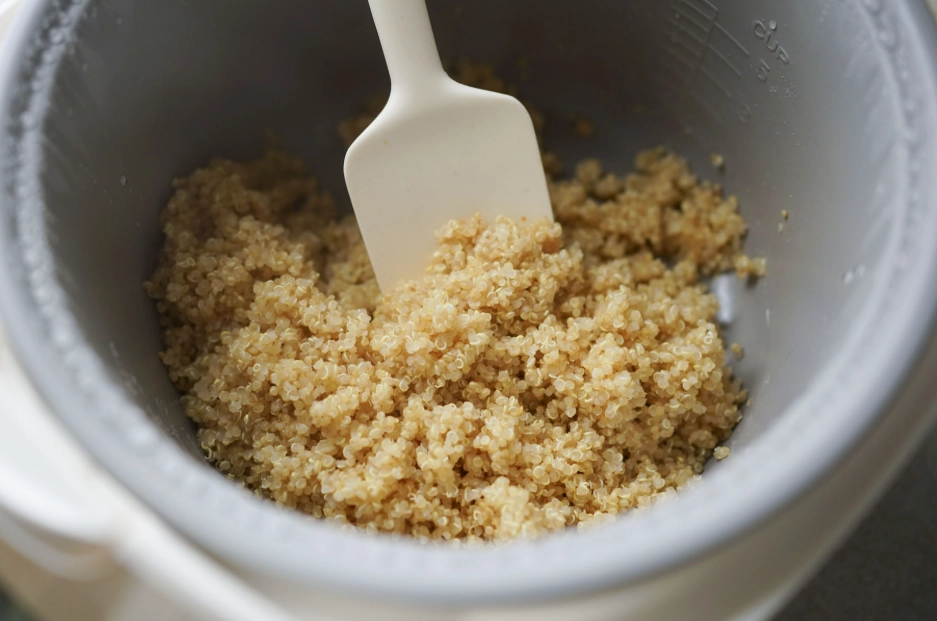
Mistake 1: Not rinsing enough. We covered this. Cloudy water means bitter quinoa. Rinse until the water runs clear-ish.
Mistake 2: Using the 2:1 stovetop ratio. This is the big one. The sealed environment needs less water. 1.75:1 is your new mantra.
Mistake 3: Skipping the rest time. As soon as the cooker clicks to "warm," you're tempted to open it. Resist. Those 10 minutes of resting are when the quinoa finishes steaming to perfection. Opening the lid releases all that crucial steam.
Mistake 4: Not fluffing with a fork. If you just scoop it out, you compress the grains at the bottom. A gentle fluff aerates the whole batch, keeping it light.
Mistake 5: Overfilling the cooker. Quinoa expands about threefold. Don't fill the inner pot more than halfway with dry quinoa and water, or it might bubble over and make a mess.
Beyond the Basic Pot: Simple Rice Cooker Quinoa Recipes
Once you master plain quinoa, your rice cooker becomes a one-pot meal starter. Here are two dead-simple ideas.
Lemon-Herb Quinoa (Cook It Flavored)
Add your 1 cup rinsed quinoa and 1 ¾ cups water to the pot. Before cooking, stir in: the zest of one lemon, 1 teaspoon dried oregano (or 1 tablespoon fresh), and a clove of minced garlic. Cook as usual. After fluffing, stir in a big squeeze of fresh lemon juice. It's bright, fragrant, and ready to be a bed for grilled chicken or fish.
"Almost" One-Pot Quinoa and Veggies
This is a semi-hack. Cook your plain quinoa as directed. When it's resting on "warm," quickly sauté some chopped veggies (like bell peppers, zucchini, peas) in a skillet with a little oil. As soon as the quinoa is done resting, fluff it and immediately fold in the hot sautéed veggies. The residual heat wilts them just enough. Add some crumbled feta or chickpeas for a complete meal.
The beauty is in the foundation. Perfect, fluffy quinoa from your rice cooker is a blank canvas. Toss it into salads, stir-fries, soups, or eat it as a side.
Your Quinoa in Rice Cooker Questions, Answered
Do I need to soak quinoa before cooking it in a rice cooker?
No, soaking is not necessary and can lead to mushy results. The key is a thorough rinse under cold water in a fine-mesh strainer for 1-2 minutes. This removes the natural bitter-tasting coating called saponin. Some people skip this step and regret it—the difference in flavor is noticeable.
Why is my quinoa from the rice cooker mushy or sticky?
Mushy quinoa almost always comes from using too much water. The standard 2:1 liquid-to-quinoa ratio used for stovetop cooking is often too much for the sealed, steam-intensive environment of a rice cooker. Switch to a 1.75:1 ratio (1 ¾ cups water to 1 cup rinsed quinoa). Also, ensure you're using the "white rice" or standard cook setting, not a porridge or slow-cook function.
Can I cook quinoa with other grains or rice in my rice cooker?
You can, but it requires strategy. Different grains cook at different rates. A reliable method is to use the grain with the longest cook time as your base for the water ratio. For example, if mixing brown rice and quinoa, use the water amount for brown rice. The quinoa may be slightly softer, but both will be cooked. For a mix of white rice and quinoa, they cook in similar times, so a standard 1:1.5 rice-to-water ratio (adjusted for the quinoa's presence) often works. It may take a couple of tries to perfect your personal blend.
Reader Comments