Let's be honest. Most articles on healthy easy meal prep make it look like a Pinterest board—perfectly stacked identical containers, vibrant colors that never fade, and a promise of 30-minute perfection. Real life is messier. Your kale wilts by Wednesday. You're sick of chicken by Thursday. The containers leak in your bag.
I've been prepping meals for a decade, first as a busy student, then as a professional with zero time, and now coaching others. I've made every mistake so you don't have to. The goal isn't aesthetic perfection. It's getting nutritious food into your body with minimal daily effort and mental load.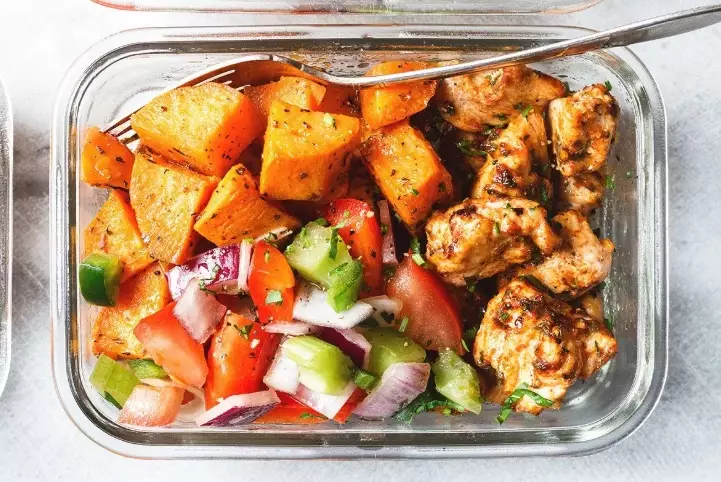
This guide strips away the fluff. We'll build a flexible, sustainable system, not a rigid prison of pre-portioned meals.
What's Inside This Guide?
The Mindset Shift: From Meals to Components
This is the single biggest change that prevents burnout. Stop thinking about prepping 5 identical "Meal #1" containers. Think like a restaurant kitchen. They prep mise en place—ingredients ready to go.
Your weekly mission: cook a few foundational components you can mix and match.
- The Protein: A large batch of one or two. Shredded chicken, baked tofu, black beans, lentils.
- The Veggies: Two big sheet pans of roasted vegetables. Broccoli and bell peppers hold up great. A batch of sautéed greens like kale or spinach.
- The Carb/Base: A pot of quinoa, brown rice, or farro. Or roast a bunch of sweet potatoes.
- The Flavor Boosters: This is the secret weapon. Pre-made sauces, dressings, toasted nuts, pickled onions, a wedge of lemon.
Store these separately. Each morning, assemble a bowl, salad, or wrap in minutes. Tuesday can be a quinoa bowl with chicken and broccoli. Wednesday, toss that same chicken and broccoli into a whole-wheat wrap with a different sauce. Variety happens naturally.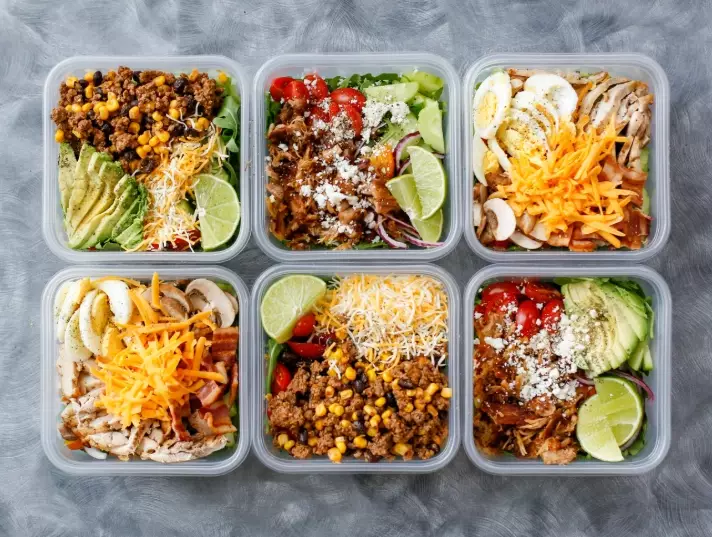
Gear Basics (You Only Need 3 Things)
Don't get lost in container marketing. You need functionality, not a rainbow set.
1. Good Knife & Cutting Board
A sharp 8-inch chef's knife and a large, stable cutting board. Dull knives cause accidents and make prep a chore. I learned this the hard way with a sad, slippery onion and a bandage.
2. The Right Containers
Here's my take after wasting money on dozens of types. You need two kinds:
- Large, Shallow Glass Containers (with lids): For storing your bulk components. Glass doesn't stain from tomato sauce or turmeric, and it reheats evenly. The shallowness helps things cool faster, which is critical for food safety.
- Individual Portion Containers WITH COMPARTMENTS: This is non-negotiable for assembled meals. Compartments keep wet ingredients from turning everything else to mush. Look for ones that are microwave, dishwasher, and freezer safe. The lid seal is everything—do the leak test over your sink.
3. Heavy-Duty Sheet Pans & Parchment Paper
Roasting is the easiest way to cook large batches of veggies and proteins evenly. Parchment paper is your friend for zero scrubbing cleanup. Don't crowd the pan, or you'll steam instead of roast.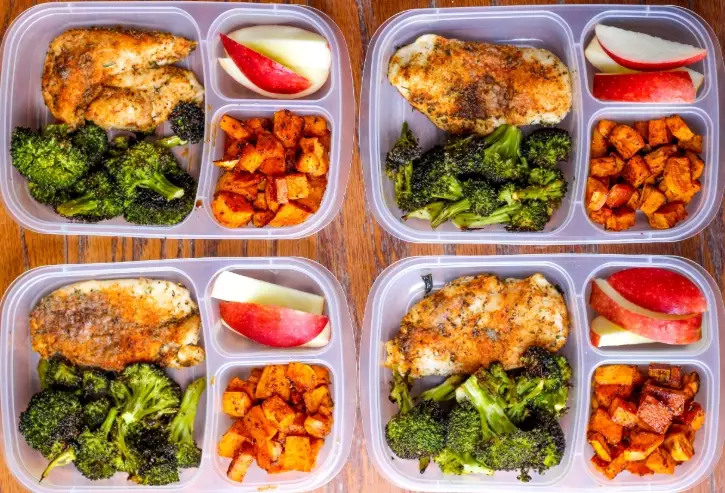
Your 3-Day Healthy Easy Meal Prep Plan
Let's apply this to a real week. This plan assumes lunches and 3-4 dinners for one or two people.
The Smart Shopping List
Shop with a plan. This list minimizes waste.
| Produce | Protein | Pantry/Other |
|---|---|---|
| 2 bell peppers (any color) | 1.5 lbs boneless, skinless chicken breast or thighs | 1 cup quinoa or brown rice |
| 1 large head of broccoli | 1 block firm tofu or 2 cans of chickpeas | 1 lemon |
| 1 sweet onion | Olive oil | |
| 5 oz container of baby spinach or kale | Your favorite spice blend (Italian, Cajun, etc.) | |
| 1 pint cherry tomatoes | Tahini or a ready-made pesto | |
| 1 cucumber | Low-sodium soy sauce or tamari |
Prep Day: The 2-Hour Flow (Sunday or Monday Evening)
Put on some music or a podcast. This is your weekly investment.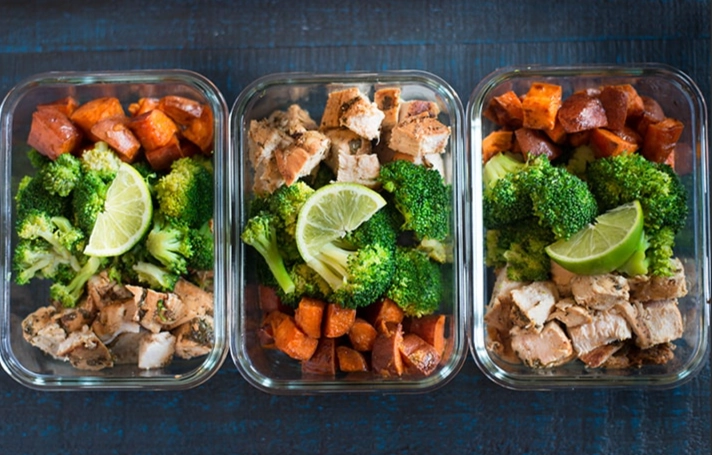
Hour 1: Chop & Roast
Preheat oven to 400°F (200°C). Line two sheet pans with parchment.
- Chop broccoli and bell peppers into bite-sized pieces. Toss with olive oil, salt, pepper, and your spice blend. Spread on one pan.
- Cube tofu or drain chickpeas. Pat dry. Toss with a splash of soy sauce and oil. Spread on the second pan.
- Put both pans in the oven. Roast for 20-25 mins until veggies are tender and protein is golden.
- While that roasts, cook your quinoa or rice according to package directions.
- Quickly make a sauce: whisk 3 tbsp tahini with juice of half the lemon, a minced garlic clove, and enough water to make it drizzle-able.
Hour 2: Assemble & Store
Let everything cool slightly (important for food safety).
- Divide the roasted veggies and protein into your large glass containers.
- Store the cooked grain in another.
- Wash and spin the spinach dry. Store in a bag with a paper towel.
- Now, assemble 2-3 lunches for the next couple days. In your compartment containers: grain base, roasted veggies, protein. Add a handful of fresh spinach in a separate compartment. Put the sauce in a small container or the tiny sauce compartment if yours has one.
- Chop the cucumber and onion for quick salads later in the week.
Done. Your fridge is now a healthy easy meal prep station.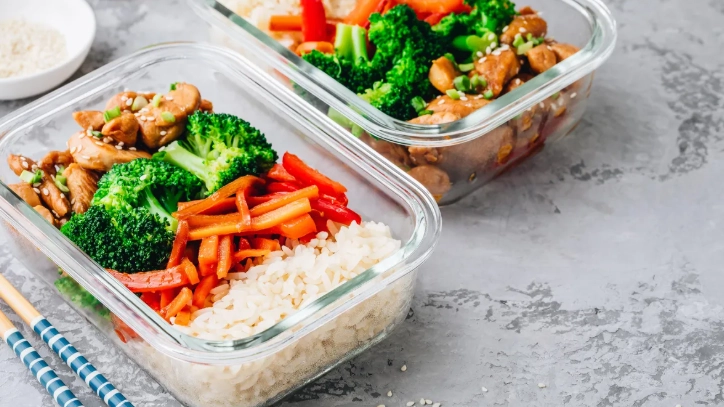
No-Boring Leftovers Recipe Ideas
With the components above, here's how a week can look without repetition.
Monday Lunch: Quinoa bowl with roasted chicken, broccoli, bell peppers, and tahini sauce.
Tuesday Dinner: Quick stir-fry. Sauté some of the pre-chopped onion, add leftover roasted veggies and tofu, a splash of soy sauce. Serve over leftover quinoa.
Wednesday Lunch: Big spinach salad with chickpeas, cucumber, cherry tomatoes, and a lemon-olive oil dressing.
Thursday Dinner: "Deconstructed" wraps. Warm the chicken and peppers, lay out spinach, leftover grain, and pesto. Let everyone build their own.
Friday Clean-out Lunch: Scramble eggs and toss in any remaining veggies for a hearty scramble or frittata.
The 3 Most Common Meal Prep Mistakes (And How to Fix Them)
1. Prepping Salads That Get Soggy
Putting dressing on lettuce days in advance is a disaster. The fix: use sturdy bases like kale, cabbage, or grains. Store dressing separately. Or, layer your container with wet ingredients (dressed beans, tomatoes) on the bottom, dry ingredients (greens, nuts) on top.
2. Underseasoning Everything
Batch-cooked food needs bold flavor. Don't just use salt and pepper. Use spice blends, citrus zest, fresh herbs (add them fresh when serving), garlic, ginger, vinegar. That tahini sauce or pesto from our plan is a game-changer.
3. Ignoring Texture
Mushy food is unappealing. Add texture just before eating: a sprinkle of toasted seeds or nuts, a handful of crunchy fresh veggies (like that pre-chopped cucumber), or even some whole-grain crackers on the side.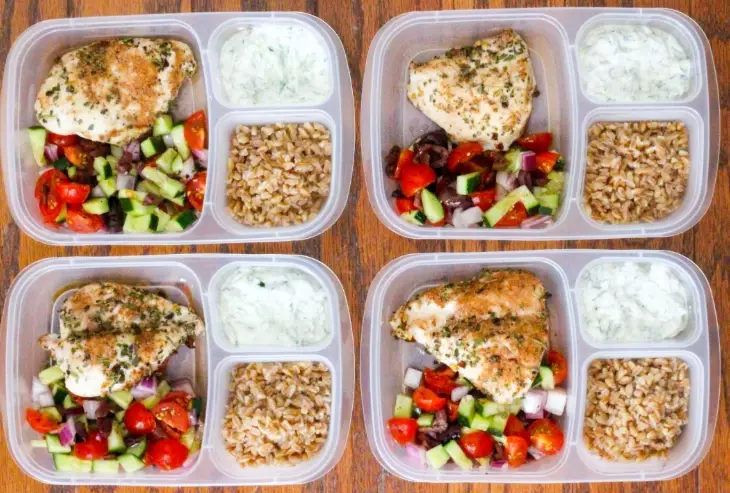
Your Meal Prep Questions, Answered
How long does healthy meal prep actually take from start to finish?
For a complete weekly prep for one or two people, block out 2 to 3 hours. This isn't all active cooking time. It includes planning (15 mins), shopping (varies), washing/chopping (the bulk, about 60-90 mins), and actual cooking/baking (30-60 mins). The secret is parallel processing: roast veggies while grains cook, and bake chicken while you assemble salads. The time investment pays back tenfold during the week.
What are the best healthy meal prep ideas for absolute beginners?
Start with a "component prep," not full meals. Cook one big batch of a versatile grain (quinoa, brown rice), roast two trays of different vegetables (broccoli and sweet potatoes), and grill or bake a lean protein (chicken breast, tofu). Store them separately. During the week, mix and match with different sauces (pesto, tahini, salsa) to create bowls, salads, or wraps without eating the same exact meal twice. It's less intimidating and more flexible.
What type of containers are non-negotiable for successful meal prep?
You need two types: 1) Large, shallow glass containers with tight lids for component storage. Glass prevents staining and doesn't hold odors. 2) Individual portion-sized containers, preferably with compartments. The compartments are crucial—they keep wet ingredients (like tomatoes) from making dry ones (like greens) soggy. Avoid cheap plastic; it warps in the microwave and can leach chemicals over time. Invest once in good containers; they last years.
How do you keep leafy greens and fresh herbs from wilting by day 4?
This is a common fail point. For greens (spinach, kale, arugula), wash and spin them bone-dry. Then layer them at the very top of your meal container or store them in a separate bag with a single paper towel to absorb excess moisture. For herbs like cilantro or parsley, treat them like flowers: trim the stems and place them in a jar with an inch of water, loosely covered with a bag, in the fridge. They'll last over a week, ready to snip for fresh flavor.
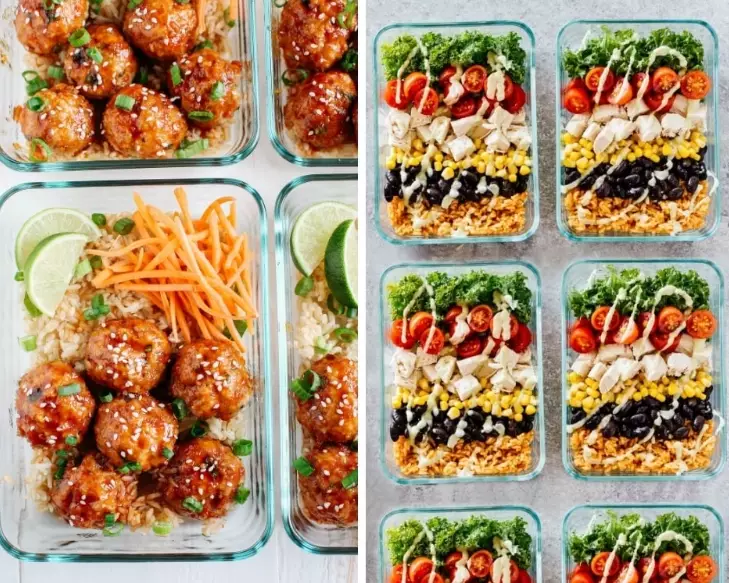 The real win with healthy easy meal prep isn't just the food. It's the mental space you reclaim. No more 6 p.m. "what's for dinner?" panic. No more resorting to expensive, less healthy takeout. You've already done the hard part.
Start with the component system. Master the 2-hour flow. Your future, less-stressed, well-fed self will thank you.
Reader Comments