Let's be real. Most meal plan suggestions you find online look great on a Pinterest board but fall apart in real life. They assume you have endless time, a chef's kitchen, and a love for dishes with 25 ingredients. That's not my life, and it's probably not yours either. After years of trial and error (mostly error), I've figured out what actually works. This isn't about perfection; it's about getting healthy food on the table without the daily stress and last-minute pizza orders.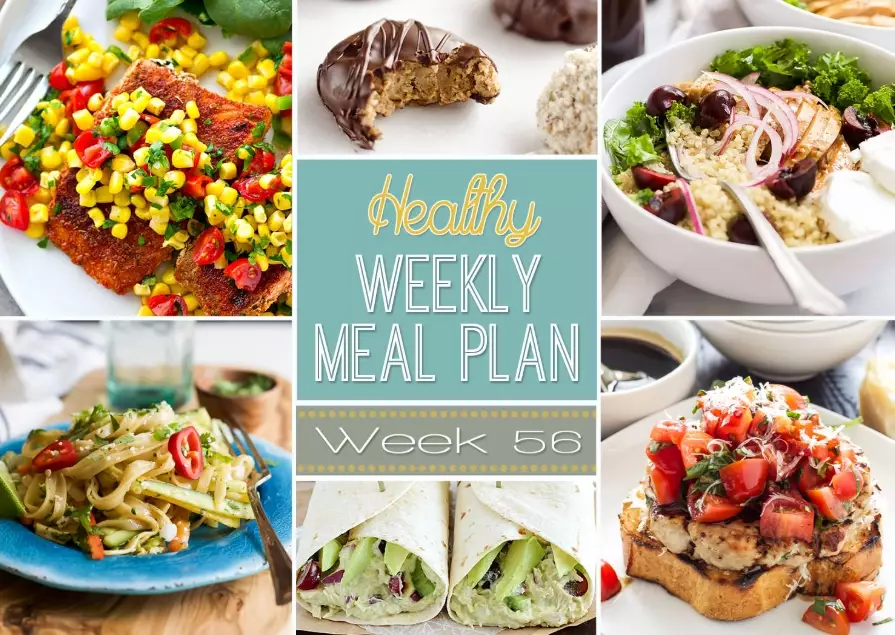
What's Inside This Guide?
How to Create a Meal Plan That Actually Works for You
Forget copying a random plan from the internet. The best weekly meal planning starts with a 15-minute audit of your life.
Step 1: Audit Your Schedule and Preferences
Grab a calendar. Mark your late nights, social dinners, and days you're just wiped. On those nights, plan for a 15-minute meal or leftovers. Be brutally honest. If you hate cooking on Mondays, don't plan an elaborate stir-fry.
Next, check your pantry and fridge. What needs to be used up? That half-bag of spinach and those two chicken breasts are the starting point for your first meal.
Step 2: Build Around a Template, Not Rigid Recipes
This is the non-consensus part most plans miss. Instead of planning "Tuesday: Lemon Herb Salmon with Roasted Asparagus," plan "Tuesday: Protein + Veg + Grain." Your template could be salmon, or it could be the chicken you didn't eat Monday, or a can of chickpeas if you're running late. This flexibility is a game-changer.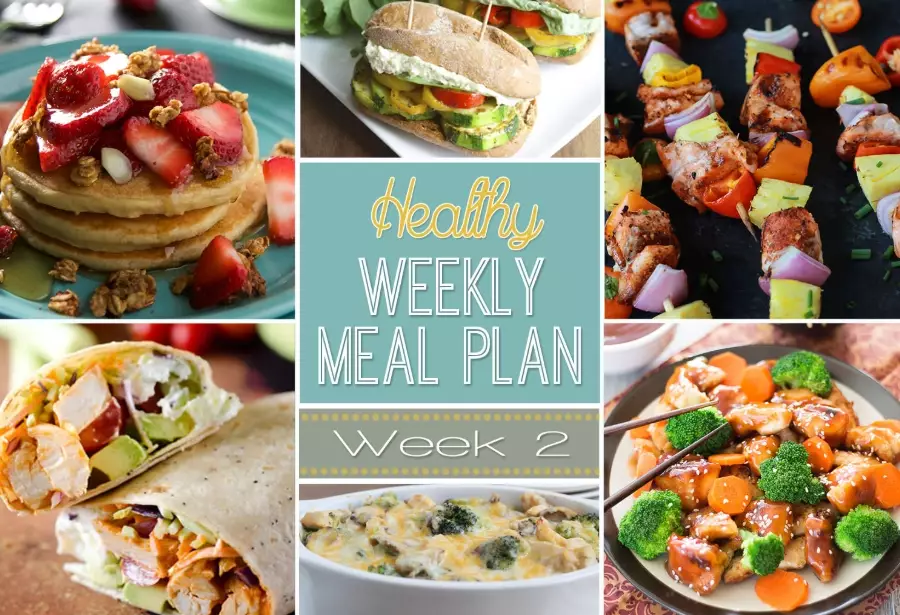
Here’s a simple weekly template I use:
- 2x One-Pot Wonders: Soup, chili, or skillet pasta.
- 1x Big Batch Protein: Roast a whole chicken or a large tray of seasoned chicken thighs/ tofu.
- 1x "No-Recipe" Night: Breakfast for dinner, loaded salads, or freezer finds.
- 1x Try Something New: One new recipe to keep things interesting.
- The rest: Leftovers or flexible template meals.
Step 3: The Strategic Shopping List
Organize your list by store section (produce, dairy, pantry). This saves you from zig-zagging and impulse buys. Base your list on your template and planned recipes. A pro tip from the USDA's MyPlate guidance is to make half your cart fruits and vegetables—frozen and canned count and are often more budget-friendly.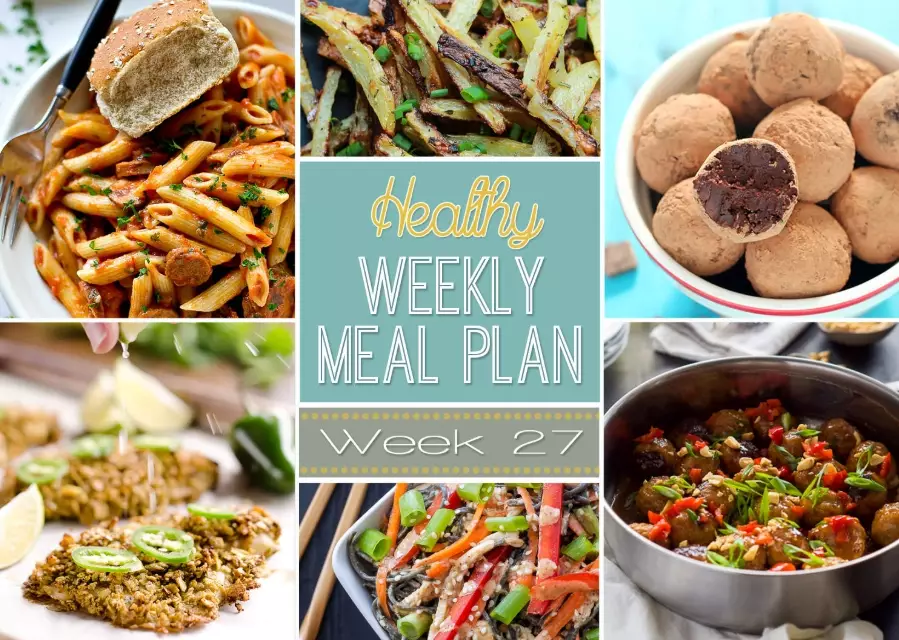
My Personal Rule: I never write a meal plan without checking the weekly flyer for my local grocery store first. If chicken thighs are on sale, that's my "big batch protein" for the week. This one habit has probably saved me more money than any coupon app.
Sample 7-Day Healthy Meal Plan for Beginners
Ready to see it in action? Here’s a realistic, budget-friendly week designed for minimal cooking time and maximal reuse of ingredients. The goal is balanced nutrition without culinary gymnastics.
| Day | Dinner Idea | Prep Notes & Lunch Tomorrow |
|---|---|---|
| Monday | One-Pot Turkey Chili (with beans, corn, tomatoes) | Make a double batch. Portion half for Wednesday's dinner. Easy reheat. |
| Tuesday | Sheet Pan Lemon Herb Chicken & Veggies (broccoli, bell peppers) | Cook extra chicken. Chop extra veggies raw for Thursday's salad. |
| Wednesday | Leftover Chili Night | No cook! Serve over rice or with a side salad. |
| Thursday | "Big Ass" Salad with leftover chicken, veggies, nuts, and a simple vinaigrette | Use pre-chopped veggies from Tuesday. Assemble in 10 minutes. |
| Friday | Pantry Pasta with canned tuna, capers, and frozen peas | A 20-minute meal from staples. No shopping required. |
| Saturday | Homemade Black Bean Burgers (canned beans) with sweet potato fries | Fun to make, freezer-friendly. Make extra patties to freeze. |
| Sunday | Simple Roasted Chicken Thighs with quinoa and steamed green beans | Prep quinoa for the week. Use leftover chicken for lunches. |
Breakfast & Snack Suggestions: For breakfast, rotate between Greek yogurt with berries, oatmeal, or eggs. For snacks, keep it simple: apple with peanut butter, a handful of almonds, baby carrots with hummus, or a piece of cheese. Planning these is just as important as dinners.
How to Meal Prep Efficiently: A Step-by-Step Guide
Meal prep doesn't mean eating the same chicken and broccoli from identical containers all week. It means doing a few strategic tasks to make weeknight cooking a breeze.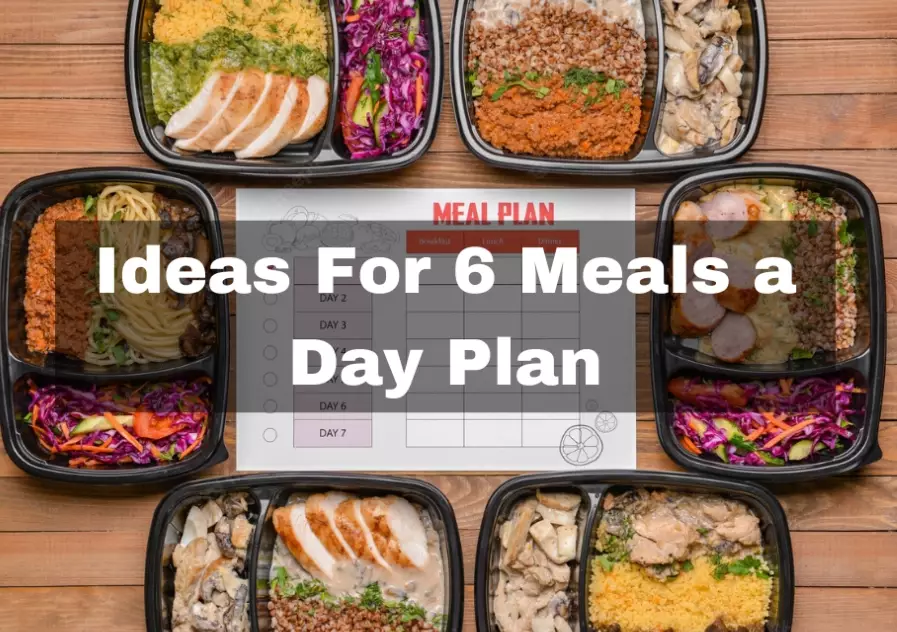
The 90-Minute Power Hour (Sunday Afternoon)
Set a timer. Here’s what to tackle:
- Wash and Chop: Chop onions, bell peppers, carrots, and wash lettuce. Store in clear containers at eye level in the fridge.
- Cook Your Grains: Make a big pot of brown rice, quinoa, or farro.
- Prep Your Protein: Marinate chicken, hard-boil a dozen eggs, or cook a batch of lentils.
- Make One Sauce/Dressing: A batch of simple vinaigrette or a yogurt-based sauce can elevate any meal.
That's it. You haven't pre-cooked every meal, but you've removed the most time-consuming parts.
The Container Strategy
Don't buy a giant set of containers you'll never use. Get a few good glass ones for soups and wet meals, and some larger ones for salads (I keep dressing in a small separate jar). For dry snacks like nuts, simple reusable bags work fine.
Common Meal Planning Mistakes and How to Avoid Them
I've made all of these. Learn from my fails.
Mistake 1: Ignoring Seasonality and Sales
Planning asparagus in December or berries in January blows your budget and the flavor is mediocre. Resources like the Harvard T.H. Chan School of Public Health often discuss the benefits of seasonal eating. Check what's on sale and in season, and let that guide your vegetable choices.
Mistake 2: Zero Snack or Breakfast Planning
This is the hole in the dam. You have a perfect dinner plan, but at 3 PM you're starving and grab a muffin. Plan and prep your snacks just like your meals.
Mistake 3: Being a Slave to the Plan
The plan works for you, not the other way around. If you're invited out on Tuesday, shift Tuesday's meal to Friday. The food won't spoil. Flexibility prevents the "I broke my plan, so I'll quit" mentality.
Reader Comments