Let me be honest: my first few attempts at cooking quinoa were disasters. I'd end up with a soggy, bitter mess or crunchy, undercooked grains. Stovetop cooking felt like a high-stakes game of timing. Then, I tried my rice cooker on a whim. The result was a revelation—consistently fluffy, separate grains with zero babysitting. If you've ever struggled with quinoa, your rice cooker is about to become your best friend in the kitchen.
What You'll Find Inside
Why Your Rice Cooker is a Quinoa Game-Changer
Think about it. A rice cooker's entire purpose is to cook grains to perfection using precise heat and steam. It's a sealed, automated environment. For quinoa, this means two huge advantages you don't get on the stovetop.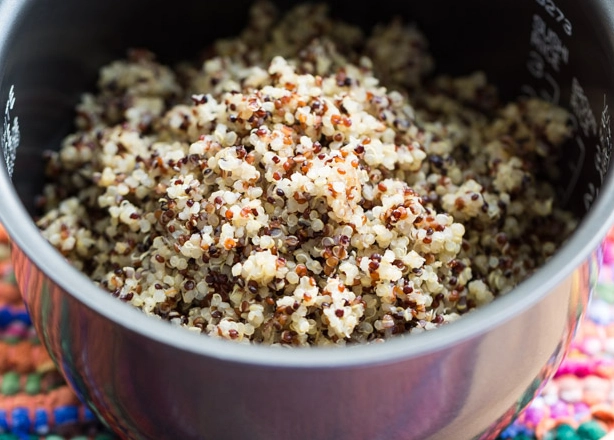
First, consistent, hands-off cooking. You add your rinsed quinoa and water, press a button, and walk away. No peeking, no stirring, no worrying about the bottom burning. The machine switches to "warm" when it's done, holding your quinoa at the perfect temperature without overcooking it.
Second, and this is the pro secret most blogs miss: superior steam control. The bitter, soapy taste that puts people off quinoa comes from saponins, a natural coating. While rinsing helps, a rice cooker's steady, enveloping steam does a more thorough job of neutralizing any residual saponins during the cook cycle. The result is a cleaner, nuttier flavor.
The Foolproof Step-by-Step Guide to Rice Cooker Quinoa
Follow these steps exactly, and you'll nail it on the first try.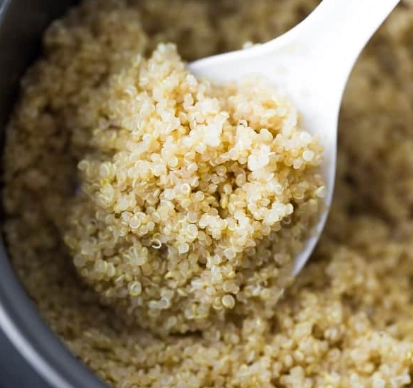
Step 1: Measure and Rinse (No Skipping!)
Use a standard dry measuring cup for your uncooked quinoa. For most rice cookers, 1 cup of dry quinoa is a great starting point—it will roughly double in volume. Pour it into a fine-mesh strainer. Run cold water over it, using your fingers to agitate the grains, for at least 60 seconds. The water will start off cloudy and eventually run mostly clear. This removes the bitter saponins. Shake the strainer well to drain excess water.
Step 2: The Golden Ratio & Adding to the Pot
This is the most critical part. For standard white quinoa, the magic ratio is 1 part quinoa to 1.75 parts water (by volume). So for 1 cup of dry quinoa, you'd add 1.75 cups of water or broth. Add the rinsed quinoa and liquid directly to your rice cooker's inner pot. A pinch of salt here makes a world of difference.
Step 3: Select the Setting and Walk Away
Close the lid. If your rice cooker has a simple "Cook/Warm" switch, just flip it to "Cook." If you have a multi-function cooker with a "White Rice" or "Quick Cook" setting, use that. Do not use the "Brown Rice" setting for white quinoa—it will overcook it. Now, resist the urge to open the lid. Let the machine do its work.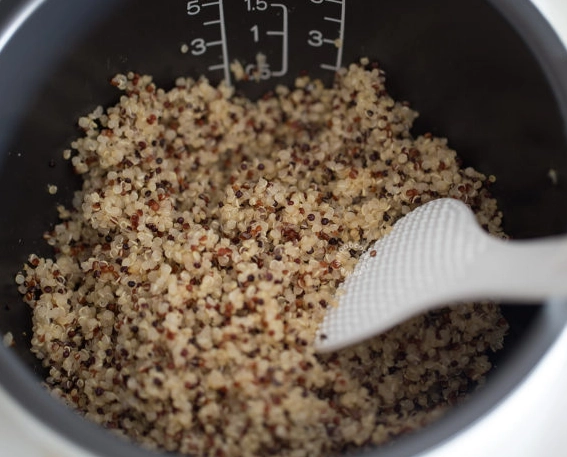
Step 4: The Fluff and Rest
When the cooker clicks to "Warm," don't serve it immediately. Let it sit, with the lid closed, for 10-15 minutes. This resting period allows the steam to fully redistribute, finishing the cook and making every grain perfectly tender. Then, open the lid and fluff the quinoa with a fork. This separates the grains and releases excess steam, preventing mushiness.
Getting the Water Ratio Right: A Quick Reference Table
Not all quinoa is the same. Different colors and varieties have slightly different starch and fiber contents, which changes how much liquid they need. Here's your cheat sheet.
| Quinoa Type | Dry Quinoa | Water/Broth | Notes |
|---|---|---|---|
| White Quinoa | 1 cup | 1.75 cups | The standard. Most forgiving and quickest cooking. |
| Red Quinoa | 1 cup | 2 cups | Has a thicker seed coat. Needs more water and a slightly longer cook time. Chewier texture. |
| Black Quinoa | 1 cup | 2 cups | Similar to red quinoa. Earthier flavor, holds its shape very well. |
| Tri-Color Blend | 1 cup | 1.85 cups | Split the difference. The blend will cook evenly at this ratio. |
Remember, these ratios are for a standard rice cooker using the "White Rice" cycle. If your first batch is a tad too wet or dry, adjust the liquid up or down by 2 tablespoons next time. Brand and altitude can play a tiny role.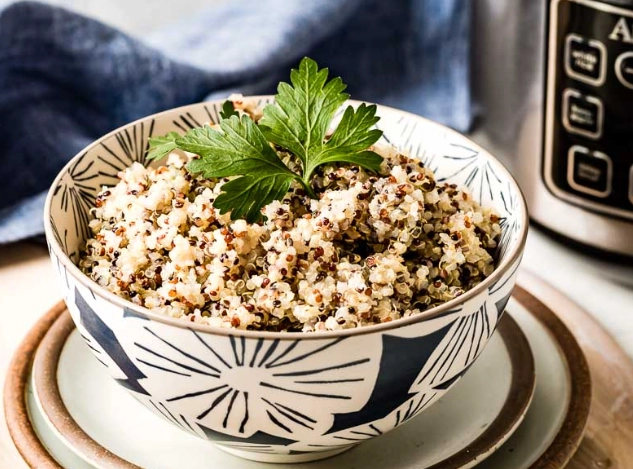
Beyond Basic: Flavor Boosts & Simple Recipe Ideas
Plain quinoa is a blank canvas. Here’s how to build flavor right into the cooking liquid.
Swap Water for Broth: This is the easiest upgrade. Use vegetable, chicken, or beef broth instead of water. It adds a deep, savory base.
Add Aromatics: Before you add the quinoa and liquid, you can quickly sauté a minced garlic clove or some diced onion in the rice cooker pot (if it has a sauté function). If not, just add a teaspoon of garlic powder or onion powder to the liquid.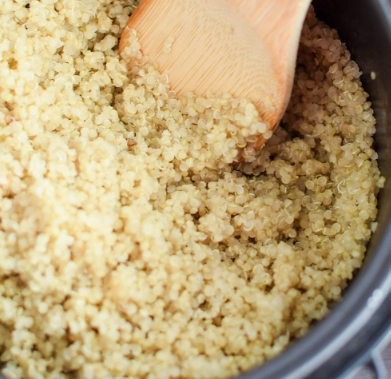
Season the Liquid: Don't just add salt. A bay leaf, a sprig of thyme, or a teaspoon of cumin or smoked paprika can transform the whole pot.
Finish with Zest: After fluffing, stir in a handful of chopped herbs (parsley, cilantro, dill), a big squeeze of lemon or lime juice, or a drizzle of good olive oil.
Here's a simple "set it and forget it" meal: Add 1 cup rinsed quinoa, 1.75 cups vegetable broth, a can of rinsed black beans, and a cup of frozen corn to the pot. Cook as usual. Fluff and stir in a diced avocado and some salsa for an instant burrito bowl base.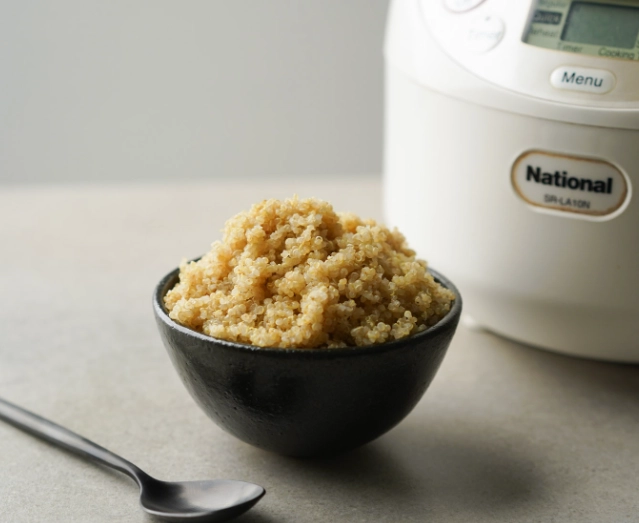
Troubleshooting Common Rice Cooker Quinoa Problems
Quinoa is mushy or soggy: You used too much water. Next time, reduce the liquid by 2-3 tablespoons. Also, ensure you're fluffing it immediately after the rest period to stop the cooking.
Quinoa is still crunchy or hard: Not enough water, or the cooker didn't run a full cycle. Stick to the ratios in the table. If your cooker is old, it might be cycling off too soon; try adding an extra 2 tablespoons of water.
Water pooled at the bottom: This usually means not enough resting time. The 10-15 minute rest with the lid closed is non-negotiable for absorption.
It tastes bitter: You didn't rinse thoroughly enough. Rinse for a full minute under running water, agitating the grains. Consider the quick soak method I mentioned earlier.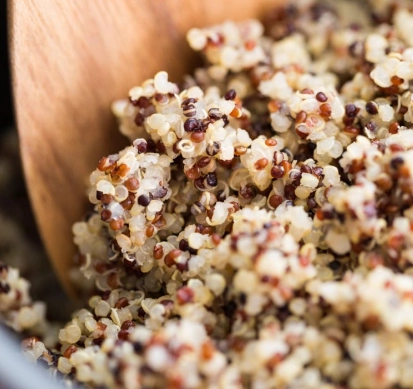
Reader Comments