Let's be honest. The first time someone told me I could turn a vegetable into pasta, I was skeptical. I pictured mushy, bland strands pretending to be the real deal. Then I actually tried properly cooked spaghetti squash. It was a game-changer. The texture is uniquely satisfying – not chewy like wheat pasta, but with a pleasant, slightly crisp bite that holds sauce beautifully. It's not about creating an identical replica. It's about discovering a fantastic, healthy food in its own right that happens to fill the "noodle-shaped void" in your bowl.
What You'll Find in This Guide
Why Spaghetti Squash Makes Shockingly Good "Noodles"
It's not magic, it's botany. Spaghetti squash (Cucurbita pepo) has a unique flesh structure. When cooked, the flesh separates into long, spaghetti-like strands. Unlike zucchini noodles (zoodles) which can get watery, spaghetti squash strands are more robust and hold their shape better under heat and sauce.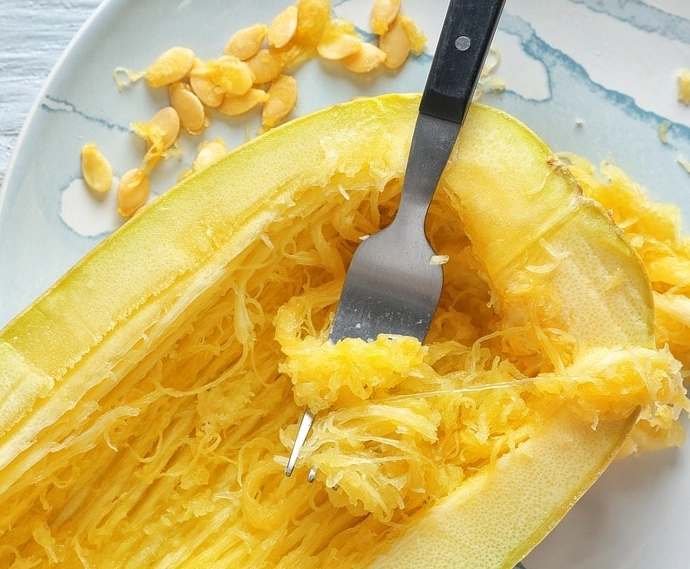
The Nutritional Win: According to the USDA FoodData Central, one cup of cooked spaghetti squash has about 40 calories, 10 grams of carbohydrates, and 2 grams of fiber. Compare that to a cup of cooked regular spaghetti at around 220 calories and 43 grams of carbs. For anyone watching carbs, managing blood sugar, or simply wanting to eat more volume for fewer calories, it's a powerful swap.
But the benefit isn't just subtraction. You're adding vitamins like A and C, along with minerals like manganese. It's a nutrient-dense base that makes your meal more filling and satisfying.
Choosing and Prepping Your Squash: The Foundation
Get this part wrong, and you're fighting an uphill battle. Here’s what most recipes don't tell you.
Picking the Perfect Squash
Look for a firm, heavy squash with a consistent pale yellow color. Avoid any with soft spots or green patches, which indicate under-ripeness. A deeper yellow or orange skin often means it's older and drier inside – the strands might be a bit more fibrous. For the longest, most pasta-like strands, a medium-sized, firm squash is your best bet.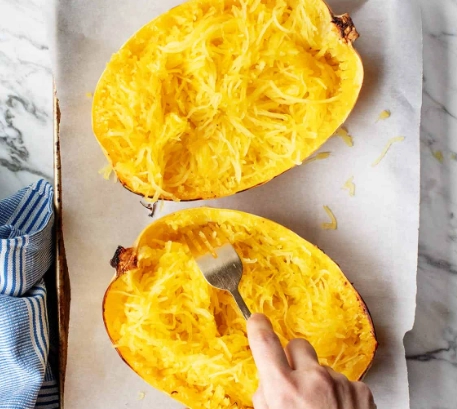
The Cutting Conundrum (and the Microwave Hack)
This is the biggest hurdle. A raw spaghetti squash is notoriously hard to cut. Most guides tell you to just muscle through with a sharp chef's knife. That's a recipe for a trip to the ER.
My preferred method: Poke the whole squash several times with a fork. Microwave it on high for 4-5 minutes. This softens the skin and flesh just enough to make cutting it in half lengthwise safe and easy. Let it cool for a minute before handling. No microwave? You can roast it whole first, but it takes much longer.
Once halved, scoop out the seeds and stringy pulp with a spoon. Don't be gentle – get it all out. Now you're ready to cook.
How to Cook Spaghetti Squash: A Method for Every Kitchen
You have options. The method changes the final texture and moisture content slightly. This table breaks it down.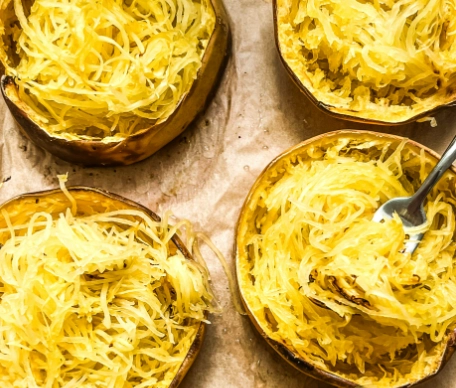
| Method | How-To | Texture Result | Best For |
|---|---|---|---|
| Oven Roasting | Place halves cut-side down on a baking sheet. Roast at 400°F (200°C) for 35-45 mins. | Classic. Slightly drier, more defined strands with a hint of caramelization. | Meal prep, any sauce where you want maximum strand separation. |
| Microwave | Place halves cut-side up in a microwave-safe dish with a little water. Cover and microwave for 10-12 mins. | Fastest. Slightly more moist strands, perfect tenderness. | Weeknight dinners when you need it in 15 minutes flat. |
| Instant Pot | Add 1 cup water. Place halves or large chunks on the trivet. High pressure for 7 mins, quick release. | Consistently tender and moist. Very easy to scrape. | Hands-off cooking, humid climates where oven roasting heats the house. |
How do you know it's done? The flesh should be easily pierced with a fork. The real test is scraping it. Use a fork to drag it from the skin towards the center. If it comes away in long, separate strands, you've nailed it. If it's mushy or doesn't separate, it's over or undercooked.
Pro Tip Nobody Mentions: After scraping, spread the hot "noodles" on a baking sheet or a clean kitchen towel for 5-10 minutes. This lets excess steam evaporate, preventing a watery sauce disaster. This step is non-negotiable for a restaurant-quality result.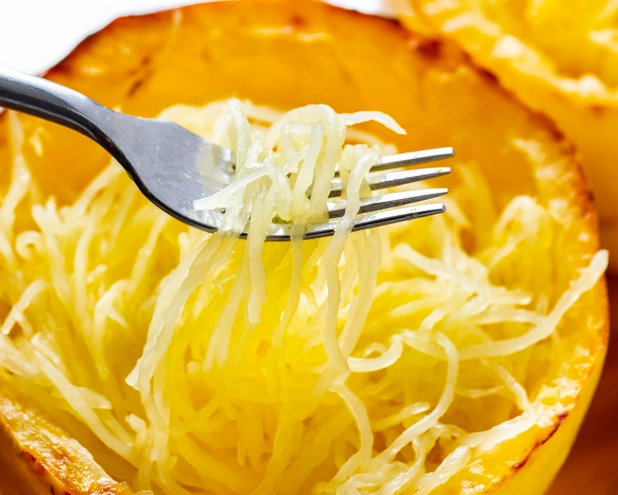
Beyond Marinara: Flavor Pairings and Sauce Strategies
Spaghetti squash has a mild, slightly sweet, nutty flavor. It's a blank canvas, but it pairs with some things better than others.
What works incredibly well:
- Pesto: The herbal punch of basil or kale pesto clings to the strands. The nuttiness of the squash complements the pine nuts or walnuts.
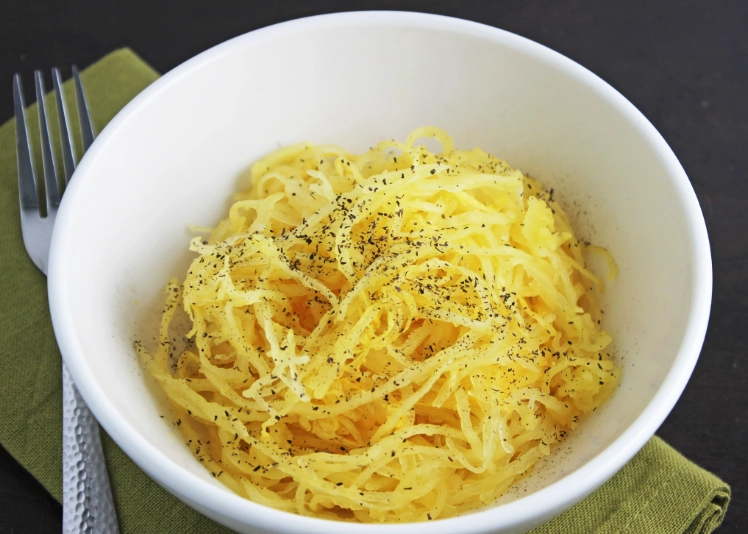
- Brown Butter & Sage: A classic. The rich, nutty brown butter is a dream pairing. Add some toasted walnuts or pine nuts.
- Alfredo-Style (Lighter): Use a base of blended cauliflower or Greek yogurt with Parmesan and garlic for a creamy, guilt-free sauce.
- Asian-Inspired: Toss with a sesame-ginger sauce, scallions, and edamame. The texture holds up.
The Marinara Reality Check: Yes, you can use marinara. But because the squash isn't starchy, the sauce doesn't cling the same way. The fix? Don't just dump sauce on top. Sauté your scraped squash noodles in the sauce for a minute or two. Let them simmer together. The sauce reduces slightly and really coats the strands.
My favorite quick meal? Sauté some garlic and chili flakes in olive oil, toss in the squash noodles, a handful of spinach, a squeeze of lemon, and a shower of Parmesan. It's simple, fast, and tastes like more than the sum of its parts.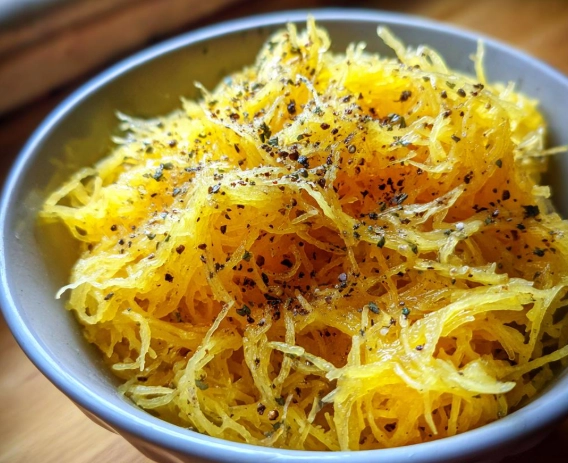
Reader Comments