I remember the first time I tried to wrap a burrito. It was a disaster—rice everywhere, beans oozing out, and the tortilla tore like wet paper. If you've ever faced a messy burrito that falls apart mid-bite, you're not alone. Wrapping a burrito seems straightforward, but there's a knack to it that most guides gloss over. After years of cooking and even working in a taqueria, I've learned the subtle tricks that make all the difference. This guide will walk you through how to wrap a burrito perfectly, avoiding common pitfalls and ensuring a tight, leak-proof result every time.
What You'll Learn in This Guide
Why Wrapping a Burrito Correctly Matters
Let's be honest: a poorly wrapped burrito ruins the meal. It's not just about aesthetics—though a neat roll does look appetizing. A tight wrap keeps the fillings hot, distributes flavors evenly, and makes eating easier without spills. I've seen people give up on homemade burritos because they couldn't get the wrap right, opting for takeout instead. But mastering this skill saves money, allows customization, and impresses friends. Think of it as the foundation of a great burrito experience.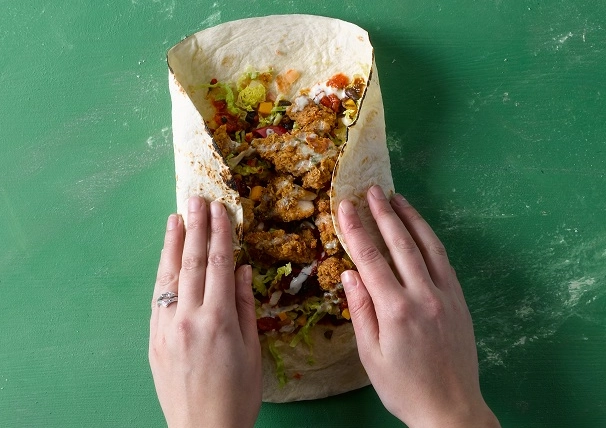
Common Mistakes to Avoid
Most beginners make these errors:
- Overfilling the tortilla: This is the top culprit. Too much filling leads to tears and leaks.
- Using cold tortillas: Cold tortillas crack when folded. Always warm them up first.
- Ignoring the fold sequence: Random folding causes gaps. There's a specific order to follow.
Essential Tools and Ingredients for the Perfect Burrito
You don't need fancy equipment, but having the right stuff helps. Here's what I recommend based on my kitchen trials.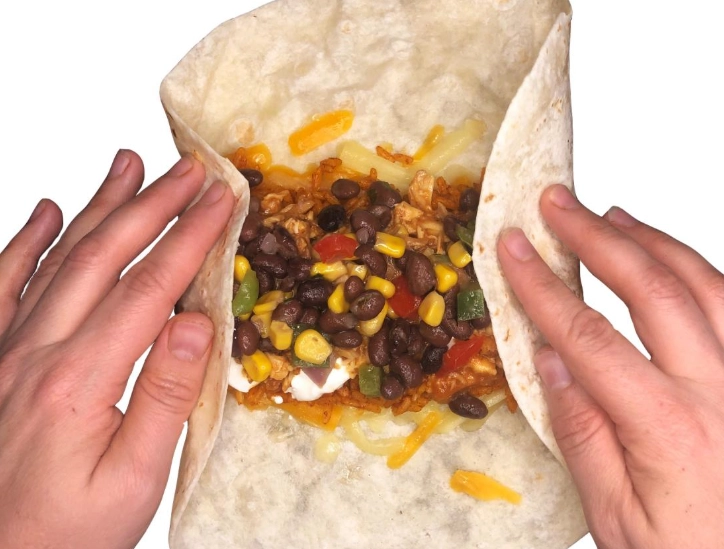
Choosing the Right Tortilla
Not all tortillas are created equal. For burritos, use large flour tortillas, at least 10 inches in diameter. Corn tortillas are too brittle for wrapping. Look for brands that are pliable and fresh; I prefer Mission or local artisan ones. If you're gluten-free, there are decent gluten-free flour options, but test them first—some tear easily.
The Filling Balance
The filling mix is crucial. Aim for a balance of textures and moisture. Too much wet filling, like salsa, makes the tortilla soggy. Here's a typical breakdown:
| Filling Component | Recommended Amount | Notes |
|---|---|---|
| Rice (cooked) | 1/2 cup | Use slightly sticky rice, like Spanish rice. |
| Beans (refried or whole) | 1/3 cup | Drain excess liquid to prevent sogginess. |
| Protein (chicken, beef, etc.) | 1/4 cup | Cooked and shredded or diced. |
| Cheese (shredded) | 2 tablespoons | Melts and helps seal the burrito. |
| Sauces (salsa, sour cream) | 1 tablespoon each | Apply sparingly in the center. |
I learned this the hard way: once I loaded up on guacamole, and the burrito became a soggy mess. Now, I add avocado slices instead of mashed guac for better control.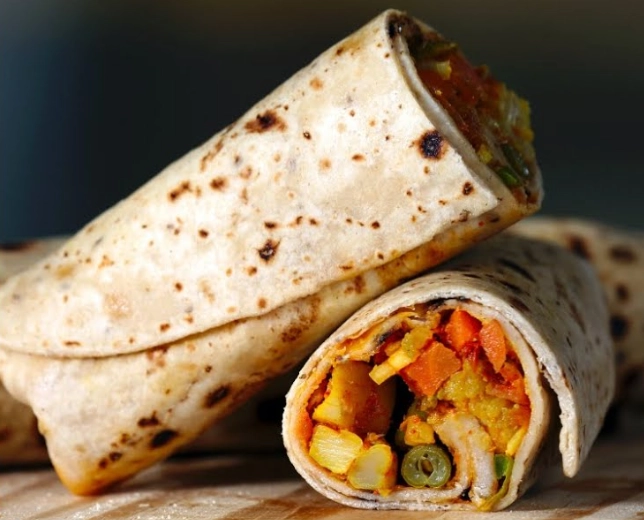
Step-by-Step Guide: How to Wrap a Burrito Like a Pro
This is the core of how to wrap a burrito. Follow these steps precisely—they're based on techniques I picked up from taqueria chefs.
Step 1: Warm the Tortilla
Place the tortilla on a dry skillet over medium heat for about 10 seconds per side. You want it warm and flexible, not crispy. Alternatively, wrap it in a damp paper towel and microwave for 15 seconds. Warming prevents cracks and makes folding easier.
Step 2: Layer the Fillings
Lay the warmed tortilla flat on a clean surface. Imagine a rectangle in the center, leaving a 2-inch border at the bottom and sides. Start with a base layer of cheese—it melts and acts as glue. Then add rice, beans, protein, and finally, wet ingredients like salsa in the middle. Keep everything compact; don't spread it to the edges.
Step 3: The Folding Technique
This is where most people go wrong. Here's the sequence:
- Fold the bottom edge over the fillings, tucking it snugly.
- Fold the left and right sides inward, like an envelope.
- Roll the burrito away from you, applying gentle pressure to keep it tight.
I used to fold the sides first, but that creates gaps. The bottom-first method seals the fillings in better.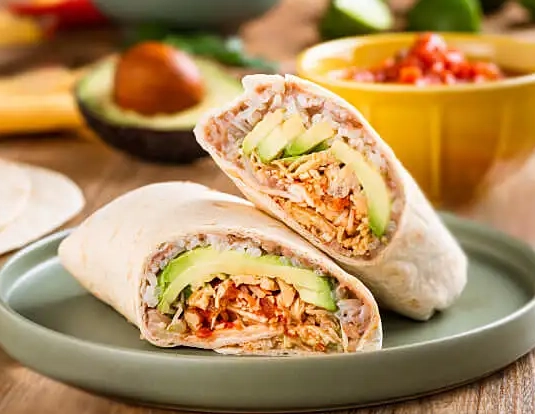
Step 4: Sealing the Burrito
Once rolled, press down lightly on the seam. If the tortilla is warm, it should stick naturally. For extra security, you can place the seam-side down on a hot skillet for 30 seconds to crisp it up. Don't overdo it—just enough to seal.
Practice this a few times. My first attempts were loose, but after five tries, I got a restaurant-quality wrap.
Advanced Tips for a Leak-Proof Burrito
Beyond the basics, these insights come from experience and fixing my own mistakes.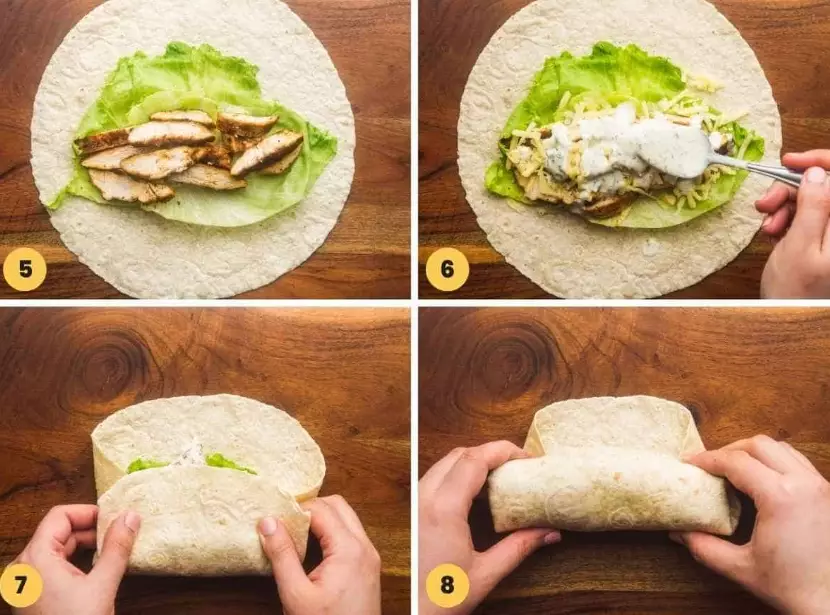
- Use a double wrap for wet fillings: If you love extra sauce, wrap the burrito in a second tortilla or use a large lettuce leaf inside as a barrier.
- Let fillings cool slightly: Hot fillings steam up and soften the tortilla. Let them sit for 5 minutes before wrapping.
- Invest in a burrito press: Not essential, but if you make burritos often, a press ensures even pressure and a tight roll. I got one online for $20, and it's a game-changer.
One thing I disagree with some experts on: they say to overfill for a hearty burrito. In my view, moderation is key. A overstuffed burrito always leaks, no matter how skilled you are.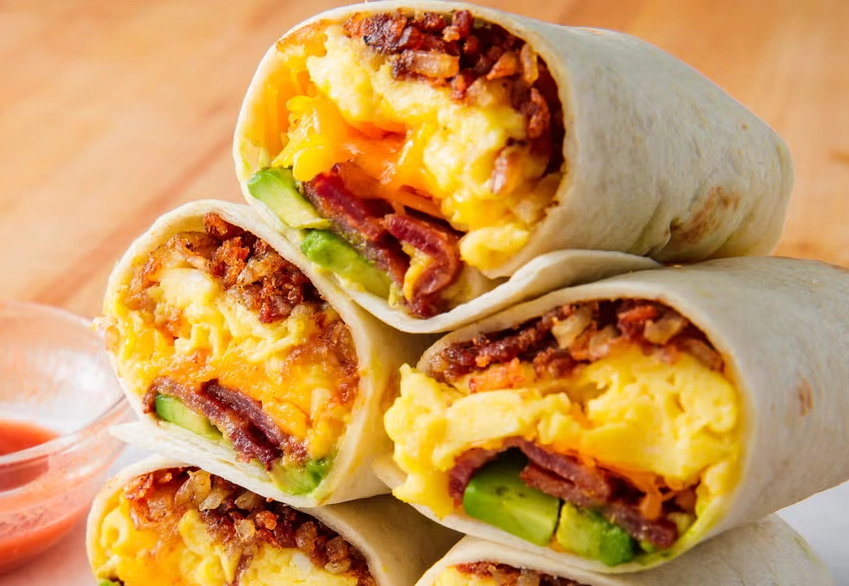
Your Burrito Wrapping Questions Answered
Wrapping a burrito is a skill that improves with practice. Start with simple fillings, master the fold, then experiment. Remember, even pros have off days—I once served a burrito that partially unraveled to friends, and we laughed it off. The goal is enjoyment, not perfection. But with these techniques, you'll get close every time.
Reader Comments