You've spent your Sunday afternoon whipping up a batch of delicious breakfast burritos – scrambled eggs, maybe some sausage, peppers, cheese, all wrapped in a warm tortilla. It's the ultimate meal prep win. But now, staring at the stack in your fridge, the real question hits: how long do these actually last before they turn into a soggy, science-experiment mess?
The short, direct answer is this: properly stored in the refrigerator, meal prep breakfast burritos last 3 to 4 days. In the freezer, they can last for 2 to 3 months while maintaining good quality. But that's just the headline. Stick with me, because whether your burrito makes it to day 4 or turns on day 2 depends entirely on a few critical steps most people gloss over. I've been prepping these for years, and I've learned the hard way what separates a fresh-tasting reheat from a disappointing, rubbery one.
Your Quick Guide to Burrito Freshness
The Real Storage Timelines: Fridge vs. Freezer
Let's get specific. These aren't random numbers; they're based on food safety principles from sources like the USDA's Food Safety and Inspection Service and my own (sometimes unfortunate) kitchen experiments.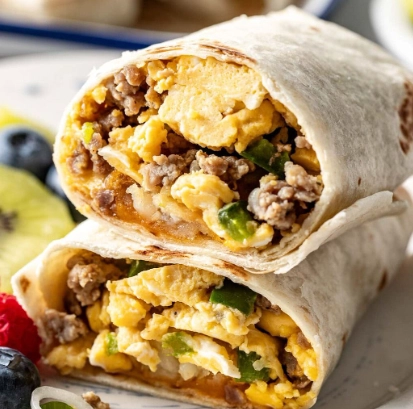
| Storage Method | Safe Duration (Quality) | Key Considerations |
|---|---|---|
| Refrigerator (40°F / 4°C or below) | 3 to 4 days | This is the absolute max for best taste and texture. Aim to eat by day 3. Moisture from eggs and veggies is the enemy. |
| Freezer (0°F / -18°C or below) | 2 to 3 months | Optimal quality window. They remain safe indefinitely from a safety standpoint, but flavor and texture (especially of the eggs and tortilla) decline after 3 months. |
Notice I said "safe duration (quality)." Food safety and food quality are different beasts. A burrito might not make you sick after 5 days in the fridge, but the tortilla will likely be damp, the eggs watery, and the whole thing unappealing. We're aiming for deliciousness here, not just survival.
Pro Tip: Your nose and eyes are good tools. If anything smells off, has an unusual slimy texture on the tortilla, or shows visible mold (which can happen if moisture is trapped), toss it immediately. No amount of reheating can fix that.
What Actually Determines How Long Your Burritos Last?
Why does my friend swear hers are fine for 5 days, while mine are borderline on day 3? It's all in the ingredients and technique.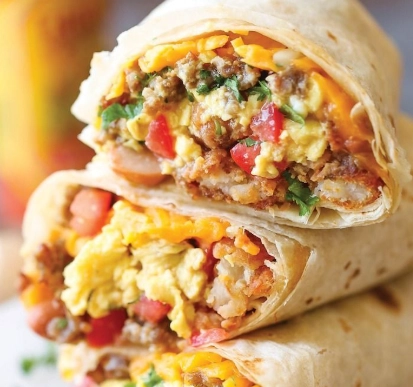
The Moisture Factor
This is the #1 killer of breakfast burritos. Every component adds water: scrambled eggs release moisture as they cool, sautéed vegetables (like mushrooms, spinach, tomatoes) are full of it, and even cooked potatoes can get weepy. When that moisture has nowhere to go, it steams the tortilla from the inside out, creating a perfect environment for bacteria and a mushy wrap.
Ingredient Acidity and Density
Ingredients like fresh salsa or chopped tomatoes are highly acidic and watery. They break down faster and accelerate the sog-factor. Denser, drier fillings like seasoned black beans, well-crumbled sausage, or roasted sweet potatoes tend to hold up better over time.
The Cooling Down Blunder
Here's a subtle mistake I see all the time: wrapping a warm or even slightly hot burrito. The residual heat creates condensation inside the wrapping (whether it's foil, plastic, or a container). That trapped steam is a death sentence for texture. You must let the filling cool completely to room temperature before assembling and wrapping. It feels like an extra step, but it's non-negotiable.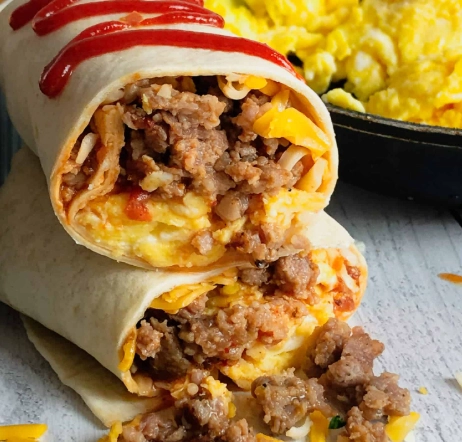
The Step-by-Step Prep for Maximum Shelf Life
Follow this sequence to build burritos that actually survive the week.
1. Cook Components Separately & Dry Them Out: Don't just dump wet scrambled eggs into a tortilla. Cook your eggs until they're just set, but not dry. When you take them off the heat, transfer them to a plate or bowl in a thin layer to let them cool and stop cooking. For veggies like spinach, wilt them thoroughly and then press them in a sieve or between paper towels to remove excess liquid. For potatoes, roast them until crispy-edged – the drier exterior helps.
2. The Critical Cool-Down: Spread all your cooked fillings on a tray or plates. Let them sit out until they reach room temperature. This can take 20-30 minutes. No shortcuts.
3. The Assembly Line with a Barrier: Warm your tortillas slightly to make them pliable. Then, create a moisture barrier. A thin smear of refried beans, cream cheese, or even a light layer of cheese directly on the tortilla before adding the wetter fillings (like eggs) can act as a sealant.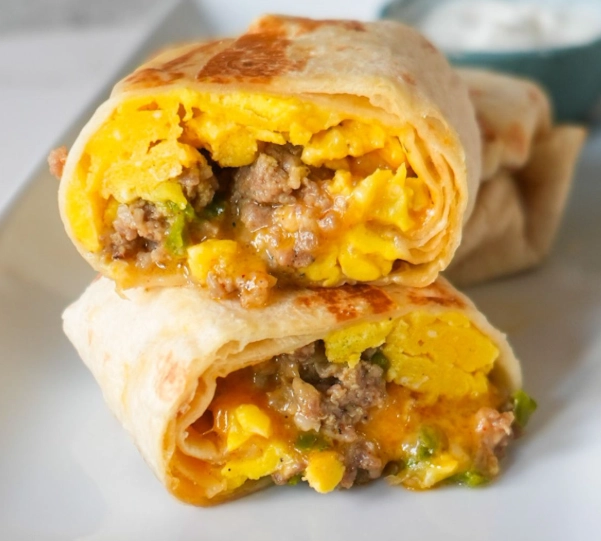
4. Wrap Like a Pro: First, wrap tightly in parchment paper. This wicks away minor moisture and prevents the tortilla from sticking to the next layer. Then, for the fridge, place the parchment-wrapped burrito in an airtight container or a heavy-duty resealable bag, squeezing out all the air. For the freezer, after the parchment paper, wrap tightly in aluminum foil or plastic freezer wrap. Then place in a freezer bag, again removing all air. The double wrap is key to preventing freezer burn.
Avoid This: Never store assembled burritos with fresh, wet garnishes like lettuce, avocado, or sour cream. Add those after reheating. They don't freeze or store well at all.
Freezing & Thawing: Doing It Right
Freezing is your best friend for long-term meal prep. But a bad freeze-thaw cycle ruins texture.
To Freeze: After the double-wrap method above, lay the burritos in a single layer on a baking sheet and flash-freeze for 1-2 hours until solid. This prevents them from sticking together in a lump. Then, you can transfer them all to a freezer bag. Label the bag with the date – "Breakfast Burritos, October 26" – so you don't play the guessing game later.
To Thaw & Reheat:
Oven/Toaster Oven (Best for Texture): Take the burrito from the freezer, remove the outer foil/plastic wrap but keep the parchment paper. Place it on a baking sheet. Reheat at 375°F (190°C) for 25-35 minutes, flipping halfway, until the center is hot (aim for 165°F / 74°C). The parchment keeps it from drying out while the oven re-crisps the tortilla.
Microwave (Fast but Risk of Sogginess): Remove all wrapping. Place on a microwave-safe plate. Cover with a damp paper towel. Heat on high for 2-3 minutes, flipping halfway. Let it sit for 1 minute to distribute heat evenly. The damp towel provides steam to heat it through but can make the tortilla soft. For a better result, microwave for 1.5 minutes to thaw, then finish in a hot skillet for a minute per side to crisp up.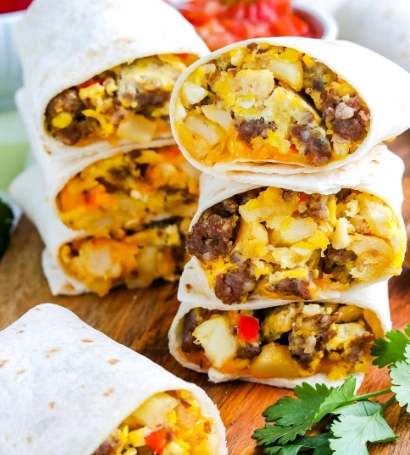
Common Mistakes That Ruin Your Meal Prep
Let's talk about the stuff that goes wrong. I've done most of these.
Using the Wrong Tortillas: Thin, generic "street taco" tortillas will tear and get soggy instantly. Opt for thicker burrito-size flour tortillas, or for a sturdier option, consider whole wheat or even a spinach wrap – they often have more structure.
Overfilling: It's tempting to pack it all in. But a overstuffed burrito is hard to wrap tightly, leaving air pockets and weak spots where moisture collects and ice crystals form in the freezer.
Neglecting the Blot: After you cook your meat, drain the fat. After you sauté peppers, let them drain on a paper towel. That little bit of extra oil or liquid makes a big difference over three days.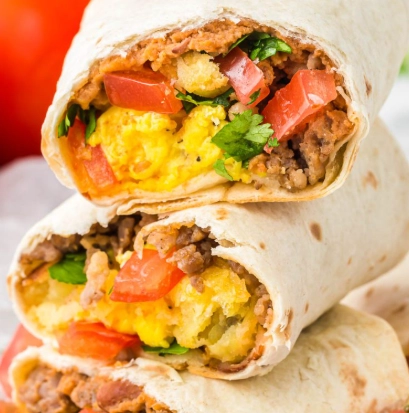
Your Breakfast Burrito Storage Questions, Answered
Can I use raw potatoes in my breakfast burritos for meal prep?
Absolutely not. Raw potatoes will not cook during the reheating process, leaving you with hard, crunchy bits. Always pre-cook your potatoes – roasting, boiling, or air-frying are great methods. Ensure they are fully cooked and have cooled before adding them to the burrito.
How can I tell if a frozen breakfast burrito has gone bad (freezer burn aside)?
Freezer burn itself (those greyish-white patches) isn't a safety issue but ruins texture and taste. Beyond that, once thawed, use the same checks as a refrigerated burrito: smell and sight. If after thawing it has an off odor, unusual discoloration, or signs of ice crystals that have melted and re-frozen into a soggy mess, it's best to discard it. Trust your instincts—if it looks or smells questionable, don't eat it.
My burritos are always soggy after reheating from frozen. What am I doing wrong?
The culprit is almost always reheating method or initial moisture. Microwaving from frozen without a preliminary thaw or crisping step will steam the tortilla. Try the oven method, or use a hybrid approach: microwave briefly to thaw the center, then finish in a hot, dry skillet to crisp the exterior. Also, revisit your filling prep—were your ingredients dry enough before assembly?
Is it safe to reheat a breakfast burrito more than once?
It's not recommended from a food safety perspective. Each time food cools and is reheated, it passes through the "temperature danger zone" (40°F - 140°F) where bacteria can multiply rapidly. Only reheat the portion you plan to eat immediately. Never re-freeze a thawed and reheated burrito.
What are the best fillings for meal prep burritos that last the longest?
Choose low-moisture, sturdy ingredients. Think: well-drained canned black beans, seasoned ground turkey or beef (drained of fat), roasted sweet potato cubes, caramelized onions (cooked until their moisture evaporates), and cheeses like cheddar or pepper jack that melt well but don't release much water. Avoid fresh tomatoes, raw onions, and watery vegetables like zucchini unless they're roasted first.
The goal of meal prep is to make your mornings easier, not to create a weekly gamble with your breakfast. By understanding how long meal prep breakfast burritos last – and more importantly, why – you can tweak your process. Focus on cooling ingredients completely, battling moisture at every step, and wrapping with purpose. Your future self, enjoying a hot, satisfying burrito on a Wednesday morning, will thank you.
Reader Comments