Thin chicken breasts are a weeknight dinner hero. They cook fast, take on flavors beautifully, and are a lean source of protein. But let's be honest—we've all ended up with a plate of dry, rubbery chicken at least once. The margin for error feels tiny. That ends tonight. This isn't just a list of recipes; it's a masterclass in handling this specific cut. I've cooked probably a thousand thin-cut breasts over the years, and I'm here to share the methods that never fail me.
What’s Inside This Guide
Master the Basics: How to Cook Thin Chicken Breasts Without Drying Them Out
Forget everything you know about cooking a thick, plump chicken breast. Thin cuts (usually 1/2-inch thick or less) play by different rules. The biggest mistake? Treating them like their thicker cousins. High heat for a long time is the enemy.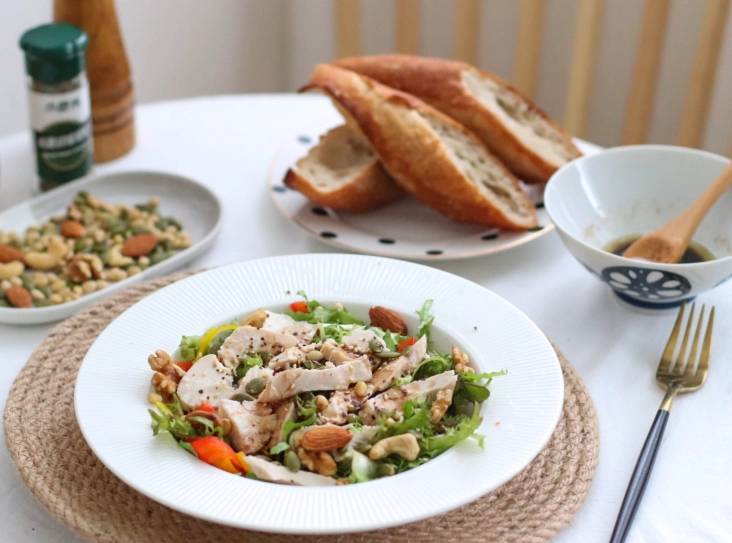
The golden rule for thin chicken breasts is medium-high heat for a short time. You're aiming for a quick sear or sauté, not a slow roast. A digital instant-read thermometer is your best friend here. Pull the chicken off the heat at 160°F (71°C). The residual heat will carry it to the safe 165°F (74°C) while keeping it supremely juicy. The USDA confirms that holding food at 160°F for just seconds is sufficient to kill pathogens, which is why this carryover cooking method is both safe and effective.
Non-Obvious Tip: Don't pound your already-thin cutlets. Many recipes tell you to pound chicken to an even thickness, which is great for standard breasts. But if you start with thin-sliced cutlets from the store and pound them more, you risk tearing the meat and creating weird, uneven textures. Instead, just press gently with your palm to check for any dramatic thick spots and maybe make a small horizontal slit to butterfly them open if needed.
Your Cooking Method Cheat Sheet
Match your method to your mood and time.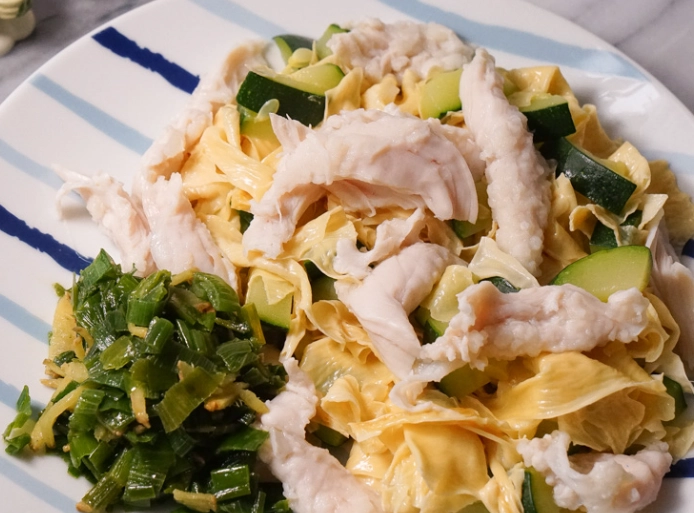
- Pan-Searing (My Go-To): Max flavor, minimal fuss. Heat oil in a skillet (stainless steel or cast iron works best for a good crust) over medium-high. Pat the chicken dry, season, and cook for 2-3 minutes per side. Let it rest for 5 minutes. Done.
- Quick Pan Sauce Magic: After removing the chicken, drop the heat to medium. Add a splash of broth, wine, or even water to deglaze the pan, scraping up the browned bits (the fond). Swirl in a pat of butter, a squeeze of lemon, or some herbs. Pour over the chicken. Instant restaurant-quality.
- Broiling: Fantastic for a hands-off, "roasted" effect with less oil. Place chicken on a foil-lined sheet pan, brush lightly with oil, and broil 4-6 inches from the element for 4-5 minutes per side. Watch it closely!
- Stir-Frying: Cut into strips, toss in a simple cornstarch slurry (1 tsp cornstarch + 1 Tbsp water per breast), and cook in a screaming hot wok or skillet for 3-4 minutes total. The cornstarch gives a velvety texture and helps sauce cling.
Three Killer Recipes for Tonight (Ready in Under 30 Minutes)
Here are three distinct flavor profiles. Each is designed to be a complete, balanced dinner with minimal cleanup. I've included specific brands or ingredient notes I personally prefer—these small choices make a big difference.
| Recipe | Key Flavors & Why It Works | Active Time / Total Time | Perfect Pairing |
|---|---|---|---|
| Lemon-Herb Pan-Seared Chicken with Asparagus | Bright, fresh, and foolproof. The acid in the lemon juice tenderizes the meat slightly and creates a quick, no-cream pan sauce. Using fresh thyme instead of dried makes it taste like spring. | 15 mins / 25 mins | Simple quinoa or orzo pasta. The grains soak up the extra lemony sauce. |
| Smoky Paprika & Garlic Chicken with Bell Peppers | A Spanish-inspired one-pan wonder. Smoked paprika (I like the "La Dalia" brand) adds deep, savory flavor without heat. Cooking the peppers alongside infuses the oil, which then coats the chicken. | 20 mins / 30 mins | Crusty bread for mopping up the smoky, garlicky oil. A dollop of plain Greek yogurt on the side cools it down. |
| 5-Ingredient Balsamic Glazed Chicken | Sweet, tangy, and sticky-simple. The balsamic vinegar reduces into a glossy glaze that masks any imperfections. A tiny bit of Dijon mustard emulsifies the sauce and adds complexity. | 10 mins / 20 mins | Pre-washed baby spinach or arugula wilts in seconds under the hot chicken. Instant warm salad. |
Let's Dive Into One: The Smoky Paprika & Garlic Chicken
This is the one I make when I'm tired but still want something that feels special. Here’s exactly how I do it.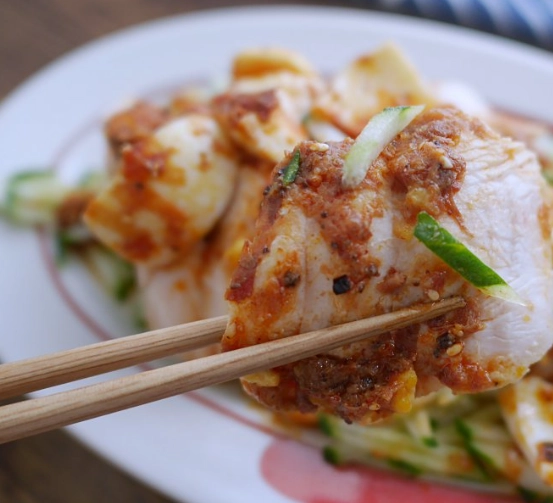
You'll need: 2 thin chicken breasts, 1 red bell pepper (sliced), 1 yellow onion (sliced), 3 cloves garlic (minced), 1.5 tsp smoked paprika, 1/2 tsp dried oregano, 3 tbsp olive oil, salt, and pepper.
Pat the chicken completely dry. Mix the paprika, oregano, 1/2 tsp salt, and 1/4 tsp pepper in a bowl. Rub this all over the chicken. Heat 2 tbsp oil in a large skillet over medium-high. Add the chicken and cook for 3 minutes until nicely browned. Flip and cook for 2 more minutes. Transfer to a plate—it won't be fully cooked inside yet.
Add the remaining oil to the skillet. Throw in the peppers and onion. Cook, stirring occasionally, for about 5-6 minutes until they start to soften and get little charred spots. Add the garlic and cook for just 30 seconds until fragrant—don't let it burn.
Nestle the chicken breasts back into the skillet, pouring any juices from the plate over them. Reduce heat to medium-low, cover loosely with foil or a lid, and let it all cook together for another 4-5 minutes. This final gentle cook finishes the chicken and lets the flavors marry. The chicken should hit 160°F. Serve everything straight from the pan.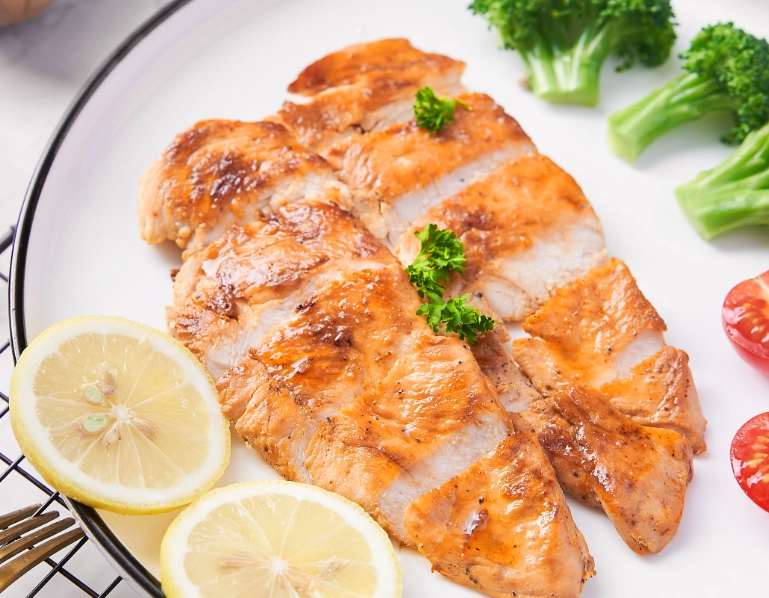
Watch Out: Sweet paprika and smoked paprika are not interchangeable here. Sweet paprika adds mostly color, while smoked paprika delivers the essential flavor. Using the wrong one will leave you with a bland, confusing dish.
Pro Tips & Tricks From My Kitchen to Yours
These are the little things most recipe blogs skip but that define success in a home kitchen.
- The Dryness Cure is in the Prep: Salt your chicken at least 15 minutes before cooking, or even up to an hour if you have time. Leave it uncovered on a plate in the fridge. This dry-brining draws out moisture, which then dissolves the salt and gets re-absorbed, seasoning the meat deeply and helping it retain juices during cooking. It's a game-changer.
- Marinate Smart, Not Long: Thin breasts absorb marinades quickly. 15-30 minutes is plenty. Any longer, especially with acidic marinades (lemon, vinegar, yogurt), and the surface texture can become mushy. For a last-minute option, just coat in seasoning and a little oil right before it hits the pan.
- Resting is Non-Negotiable: I know you're hungry. But let the chicken rest on a cutting board or warm plate for 5 minutes after cooking. This allows the frantic, heat-tightened muscle fibers to relax and re-absorb the juices. If you cut immediately, all that precious moisture ends up on the plate, not in your mouth.
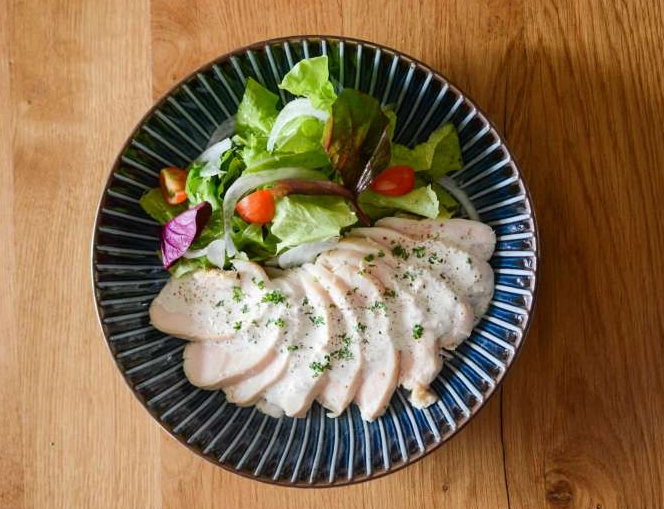
- Repurpose Leftovers Strategically: Leftover thin chicken breast can dry out when reheated. Instead of microwaving, chop it cold and toss it into a salad, fold it into an omelet, or shred it for chicken salad with a mayo-based dressing. The added moisture from other ingredients revives it perfectly.
Reader Comments