Meal prepping is fantastic. It saves money, reduces stress, and helps you eat healthier. But here's the thing nobody tells you when you're starting out: prepping the wrong foods can ruin your entire week's effort. It's not just about taste turning mediocre; it's about food safety, texture disasters, and wasted groceries. I've been meal prepping for a decade, and I've made every mistake in the book—soggy salads, rubbery eggs, flavorless soups. This guide isn't a list of obvious no-nos. It's a deep dive into the foods that seem prep-able but will let you down, based on science, experience, and a lot of disappointing lunches.
Quick Navigation
Category 1: The Texture Killers (Sogginess & Sogginess)
This is the most common pitfall. You assemble a beautiful meal on Sunday, only to find a sad, waterlogged container by Tuesday.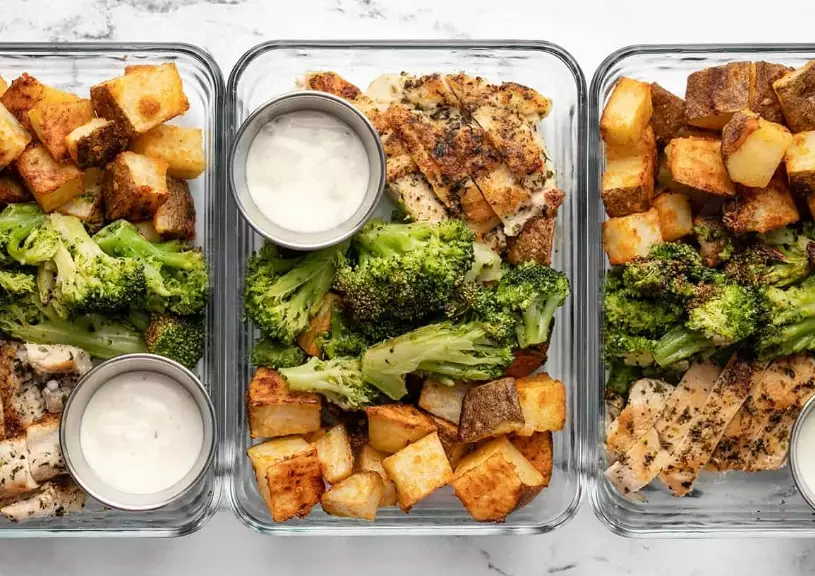
Leafy Green Salads (The Usual Suspect)
Dressing a salad of delicate greens like spinach, arugula, or butter lettuce days in advance is a recipe for slime. The salt and acid in the dressing break down the cell walls, causing wilting and liquid release. Even "sturdier" greens like romaine or kale will suffer if dressed.
Fried Foods
That crispy chicken, tempura, or french fries? Reheating turns them into a chewy, greasy shadow of their former selves. The steam from reheating destroys the crust. I once prepped zucchini fries for the week—big mistake. Day two, they were limp and sad.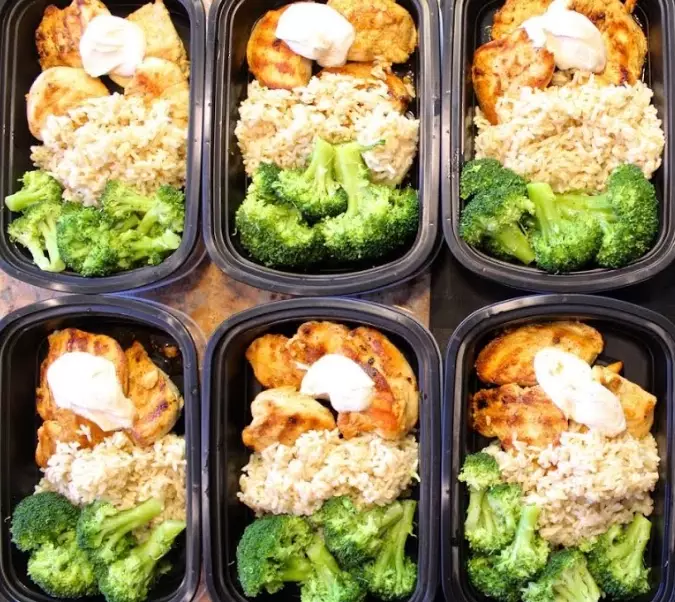
Cooked Pasta & Noodles (In Broth/Sauce)
Pasta continues to absorb liquid. If stored in sauce or soup, it bloats, becomes mushy, and can turn the surrounding liquid starchy and thick. This is especially true for thin pasta like angel hair or rice noodles.
Category 2: The Flavor Faders & Separators
Some foods don't just change texture; their flavors mute or their components separate, creating an unappetizing look and taste.
| Food Item | Why It Fails | What Happens by Day 3 |
|---|---|---|
| Avocados / Guacamole | Enzymatic browning (oxidation). No amount of lemon juice fully stops it for 5 days. | Brown, bitter top layer. Texture may become watery. |
| Fresh Herbs (Cilantro, Basil, Parsley) | They wilt and blacken when cut and stored. Their delicate flavors dissipate. | Slimy, discolored leaves with little aroma. |
| Dairy-Based Creamy Sauces | Separation. Sauces with cream, yogurt, or cheese can break, becoming grainy or oily. | A layer of oil or water on top, curdled appearance. |
| Garlic & Onions (Raw, in pre-mixed salads) | Their flavors intensify and become overly pungent, dominating the dish. | Your entire container tastes like sharp, raw garlic. |
A subtle mistake I see: people prepping marinated raw meats for the entire week. The acid in marinades (like vinegar, citrus) starts to "cook" the protein (ceviche-style). After 2 days, the surface can become mushy and unpleasantly textured. Marinate for 24 hours max, then cook or freeze.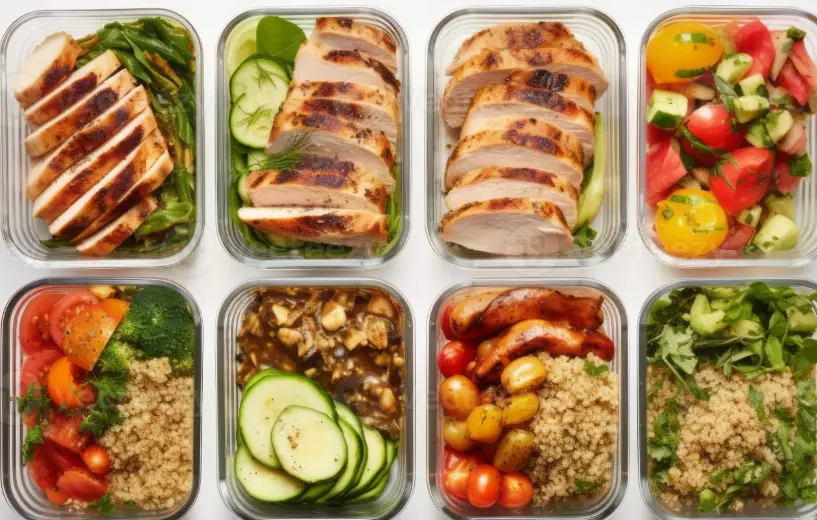
Category 3: The Safety Concerns (Bacteria's Favorite Foods)
This is non-negotiable. The USDA Food Safety and Inspection Service outlines clear guidelines for safe refrigeration times. Some foods are simply higher risk when prepped and stored for multiple days.
- Cooked Rice & Pasta (at room temperature): This is a big one. Bacillus cereus spores can survive cooking. If cooked rice/pasta is left at room temp for too long before refrigerating (more than 2 hours), the spores can germinate and produce toxins that reheating won't destroy. Always cool and refrigerate promptly.
- Pre-cut Melons & Berries: Once cut, the moist, sugary surface is prime for mold and bacterial growth (like Listeria). The FDA has issued warnings on pre-cut melon safety. Whole fruits last much longer.
- Undercooked or Raw Sprouts: Alfalfa, bean sprouts. Their growing conditions make them susceptible to Salmonella and E. coli. Prepping them raw for later in the week is risky. Cook them thoroughly if you must include them.
- Soft-boiled or Poached Eggs: Runny yolks are a potential haven for bacteria if not consumed quickly. For meal prep, stick to fully hard-boiled eggs or cook the egg within the meal (like a frittata) to a safe internal temperature.
Smart Prep: Workarounds & Alternatives
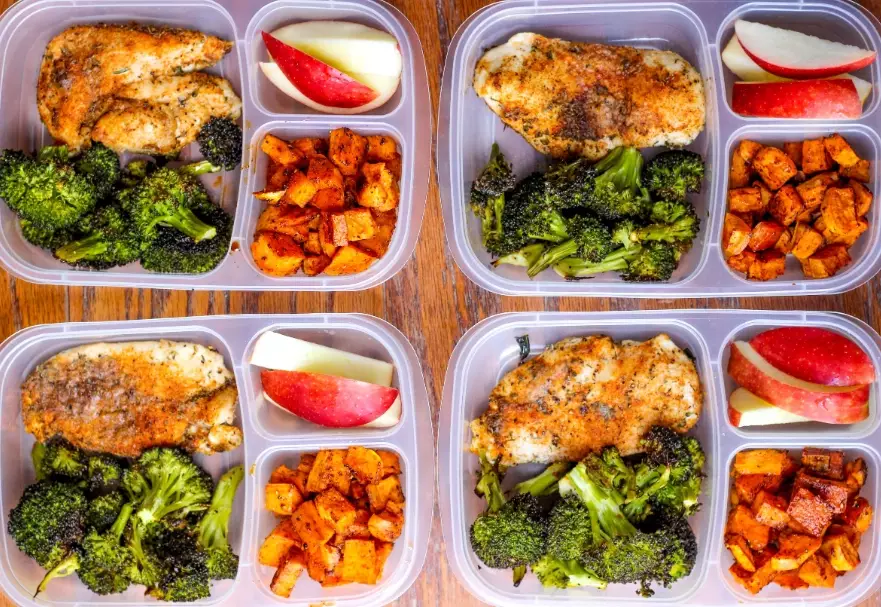
Don't just avoid these foods—outsmart them. Here’s how to get similar flavors and convenience safely.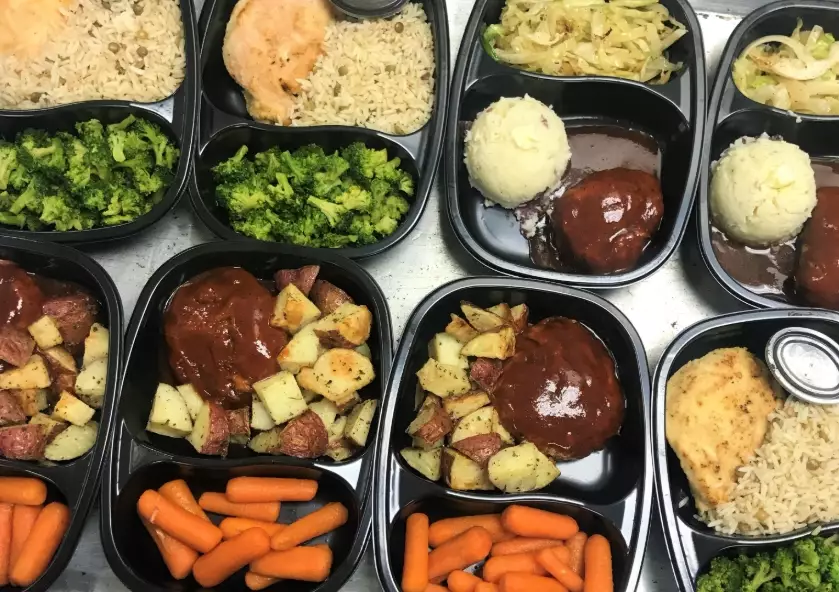
For Crunch & Freshness: Prep components separately. Store dressing in a small container. Keep chopped veggies (bell peppers, radishes) in a separate bag with a dry paper towel. Assemble your bowl or wrap the morning you eat it. Takes 2 minutes.
For Sauces & Dips: Freeze them. Portion dairy-based sauces, pesto, or even guacamole in ice cube trays. Pop out a cube or two the night before to thaw in the fridge.
For Herbs: Make herb oils or freeze them. Blend herbs with olive oil and freeze in cubes. Or, for cilantro/parsley, store the bunch stems-down in a glass of water in the fridge, loosely covered with a bag—it stays fresh for over a week.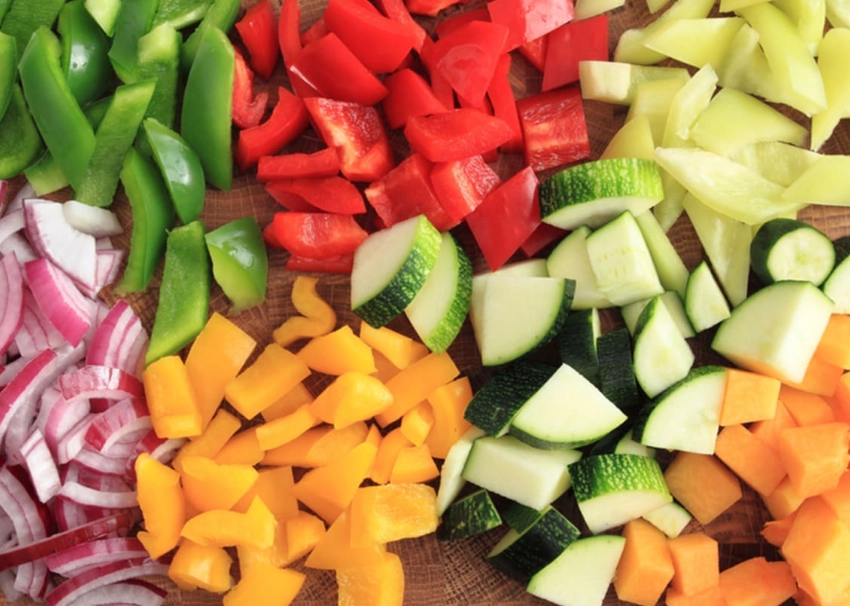
For Grains & Pasta: Undercook slightly (al dente), rinse with cold water to stop cooking, toss with a tiny bit of oil to prevent sticking, and store separately from wet ingredients. Add to soups or sauces when reheating.
The goal isn't to make everything last 5 days. I often use a hybrid approach: prep core proteins and grains for 4-5 days, but add fresh elements (avocado, herbs, a quick-cooked egg) daily. It keeps things interesting and safe.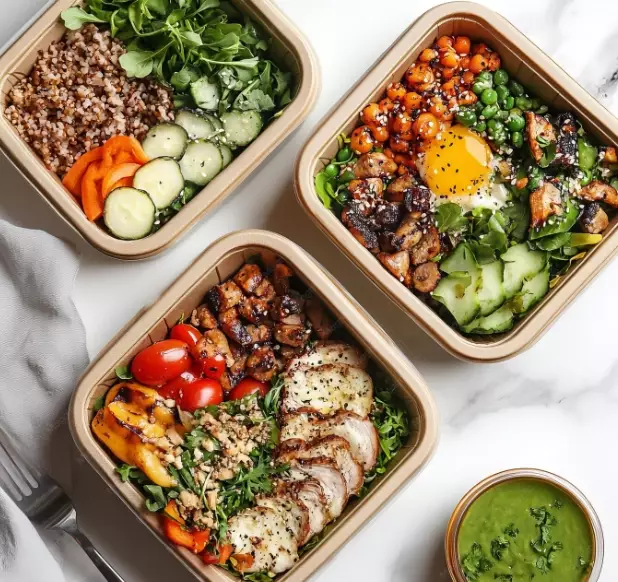
Reader Comments