I used to think my homemade raita was fine. A bit of yogurt, some grated cucumber, salt, and cumin. It tasted okay, but it always sat there, a little dense, a little watery, never quite matching the airy, cloud-like version I'd get at my favorite Indian spot. Then I watched my friend's grandmother make it. She didn't just stir. She took a whisk to that plain yogurt for a solid two minutes. The transformation wasn't subtle. It went from a thick paste to a billowy, almost whipped cream-like consistency. That's the moment I understood: beating plain yogurt is a culinary game-changer, not an optional step. It's the single technique that elevates it from a mere ingredient to the star of countless dishes.
What You'll Find Inside
- What Is Beaten Yogurt & Why It's a Game-Changer
- The Perfect Beating Technique: Tools, Tips, & Temperature
- Case Study: The Ultimate Cucumber Mint Raita Recipe
- Beaten vs. Unbeaten Yogurt: A Side-by-Side Comparison
- Beyond Raita: 5 Brilliant Uses for Whipped Yogurt
- Your Beaten Yogurt Questions, Answered
What Is Beaten Yogurt & Why It's a Game-Changer
Let's cut through the jargon. "Beating" yogurt simply means vigorously whipping or stirring it to incorporate air. You're not just mixing; you're mechanically changing its structure. Think of it like whipping egg whites versus just scrambling them. The goal is to break down the protein network that makes yogurt thick and sometimes lumpy, resulting in a smooth, homogeneous, and aerated base.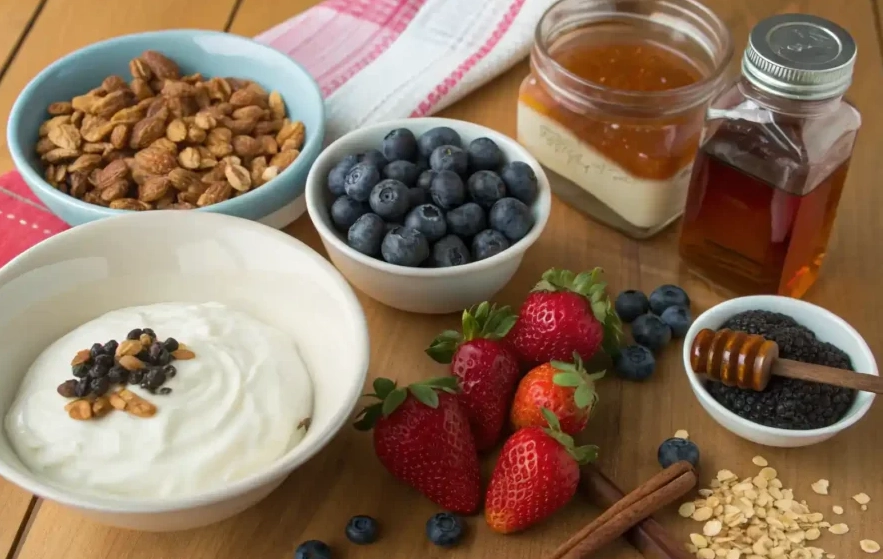
Why bother? The benefits are immediate and tangible:
- Texture Magic: It becomes incredibly smooth, eliminating any graininess or whey separation. The incorporated air gives it a light, almost mousse-like mouthfeel.
- Superior Absorption: Whipped yogurt acts like a flavor sponge. Spices, herbs, and other mix-ins distribute evenly and cling to the yogurt, so every bite is flavorful, not just the bits with the herb on top.
- Stability: Counterintuitively, a well-beaten yogurt is less likely to weep (release whey) later. The proteins are evenly distributed and better able to hold onto moisture.
- Visual Appeal: It looks professional—creamy, voluminous, and inviting.
Most online recipes just say "mix yogurt." They skip the "beat until smooth and creamy" directive, which is why home cooks end up with mediocre results. This isn't a hack; it's foundational technique.
The Perfect Beating Technique: Tools, Tips, & Temperature
You can do this with a fork, a whisk, a spoon, or even a hand mixer for large batches. The tool matters less than the method. Here’s the step-by-step breakdown I've refined over years, including the mistakes I made so you don't have to.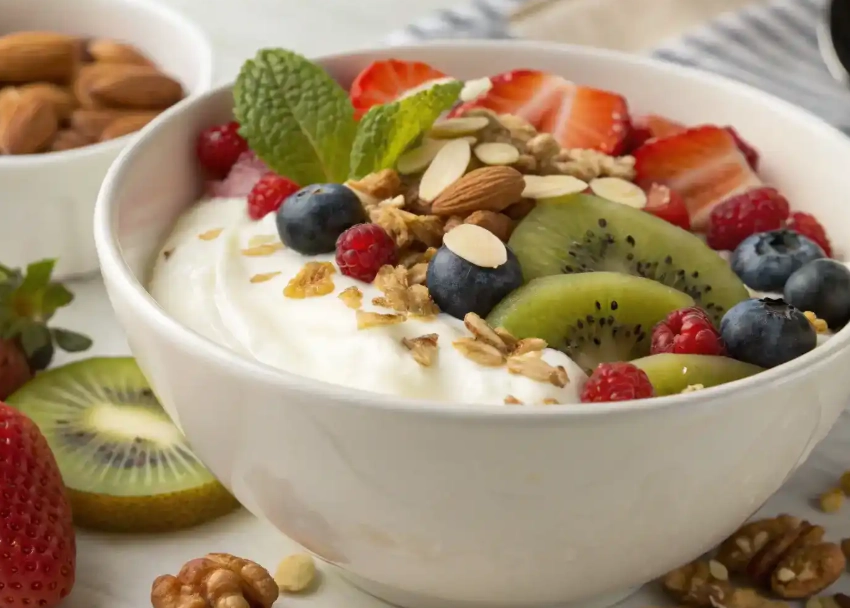
1. Start with the Right Yogurt. Full-fat (whole milk) plain yogurt is your best friend. The fat content helps stabilize the air bubbles and gives a richer result. Greek yogurt works but often needs a splash of water or milk to loosen up before beating. Avoid non-fat yogurt for this application—it tends to become gluey and doesn't whip well.
2. Temperature is Key. Take your yogurt out of the fridge 20-30 minutes before you start. Cold yogurt is too thick and resists aeration. Room-temperature yogurt whips up faster and achieves greater volume.
3. The Beating Motion. Use a wire whisk or a fork. Place the yogurt in a bowl that gives you room to maneuver. Use a rapid, back-and-forth or circular motion, pressing against the sides of the bowl to break up any clots. You're not just stirring in the center. Scrape the sides and bottom. Aim for 2-3 minutes of continuous beating. You'll see it change: it will lighten in color, increase slightly in volume, and become perfectly smooth. It should ribbon off the whisk.
Case Study: The Ultimate Cucumber Mint Raita Recipe
Let's apply this technique to a classic. This isn't just a recipe list; it's a walkthrough of how beating changes each stage.
Ingredients:
- 2 cups full-fat plain yogurt (room temp)
- 1 medium cucumber, peeled, seeded, and finely grated
- 1/4 cup fresh mint, finely chopped
- 1 tsp roasted cumin powder
- 1/2 tsp chaat masala (optional, but great)
- Salt to taste
- Pinch of sugar (balances acidity)
The Beaten-Yogurt Method:
- Prep the Cucumber: Grate the cucumber. Here's the crucial, often-missed step: squeeze out the excess water from the grated cucumber with your hands or a cheesecloth. Wet cucumber is the enemy of creamy raita.
- Beat the Yogurt: In a large bowl, take your room-temperature yogurt. Whisk vigorously for 2-3 minutes until smooth, creamy, and slightly aerated. This is your foundation.
- Fold, Don't Stir: Add the squeezed cucumber, mint, cumin, chaat masala, and a pinch of sugar to the whipped yogurt. Now, use a folding motion with a spatula to gently incorporate. Folding preserves the air you just worked in. A harsh stir will deflate it.
- Season Last: Add salt to taste and fold once more. Cover and refrigerate for at least 30 minutes to let the flavors meld. The beaten structure holds up beautifully.
The result? A raita that's cohesive, light, and where every element is suspended in the creamy matrix. It's a side dish that stands on its own.
Beaten vs. Unbeaten Yogurt: A Side-by-Side Comparison
This table shows exactly what changes when you take the extra two minutes.
| Aspect | Unbeaten Yogurt (Simply Stirred) | Beaten (Whipped) Yogurt |
|---|---|---|
| Texture | Can be grainy, thick, prone to lumps. Whey often separates to the top. | Silky smooth, homogeneous, light and aerated. No separation. |
| Flavor Distribution | Spices and herbs may sink or clump. First bites can be bland. | Ingredients are evenly distributed. Consistent flavor in every spoonful. |
| Mouthfeel | Dense, sometimes pasty. Can feel heavy. | Light, creamy, almost fluffy. Feels more luxurious. |
| Visual Appeal | Flat, matte surface. May look curdled or watery. | Glossy, creamy, voluminous. Looks professionally prepared. |
| Stability in Dishes | More likely to "break" or water out when mixed with other ingredients (like salted cucumbers). | Holds its structure better. Acts as a stable base for dips and sauces. |
| Best For | Using as a direct topping (a dollop on soup) where texture isn't primary. | Raita, lassi, creamy dips, marinades, baking substitutes—anywhere yogurt is a main component. |
Beyond Raita: 5 Brilliant Uses for Whipped Yogurt
Once you master the base, a world of quick, healthy recipes opens up.
1. The 90-Second Lassi
Blend 1 cup of beaten yogurt with 1/2 cup cold water, 2 tbsp sugar (or honey), and a pinch of cardamom. The pre-beaten yogurt incorporates instantly, giving you a frothy, smooth lassi without any chalky bits. For a mango lassi, add 1/2 cup mango puree.
2. "No-Mayo" Creamy Dip
Take a cup of beaten yogurt, fold in minced garlic, lemon zest, chopped dill, and a crack of black pepper. It's a killer veggie dip or sauce for grilled fish. The whipped texture makes it dippable, not runny.
3. The Ultimate Marinade Base
The smooth, slightly acidic whipped yogurt clings to chicken or paneer like a dream. It tenderizes more evenly than lumpy yogurt. Mix with ginger-garlic paste, turmeric, and garam masala for an Indian-style marinade.
4. Breakfast Parfait Layer
Layer beaten yogurt with granola and berries. Because it's airy, it feels lighter and more dessert-like than straight-from-the-tub yogurt. It also sweetens more evenly if you drizzle in some maple syrup.
5. Baking Substitute Secret
When a recipe calls for sour cream or buttermilk, beaten yogurt is a fantastic 1:1 substitute for cakes and muffins. The aeration helps with leavening, and its smoothness ensures it blends seamlessly into the batter without overmixing. I use it in banana bread all the time.
Your Beaten Yogurt Questions, Answered
My beaten yogurt turned out thin and runny. What went wrong?
The most likely culprit is starting with yogurt that was already thin or had separated. Always use a good-quality, thick plain yogurt (full-fat is best). If you only have thin yogurt, you can strain it in a cheesecloth for 15-20 minutes to remove excess whey before beating. Also, ensure you're not adding watery ingredients (like un-squeezed cucumber) before beating.
Can I beat yogurt ahead of time for meal prep?
Absolutely, and it holds up surprisingly well. Beat the plain yogurt and store it in an airtight container in the fridge for up to 3 days. You'll notice it settles a bit, but a quick 10-second stir with a spoon will bring back its smooth, creamy texture. It's a fantastic timesaver.
Is there a difference between beating with a fork, whisk, or electric mixer?
Yes, in both result and risk. A wire whisk is the gold standard—it incorporates air efficiently. A fork works but takes more effort and time. An electric mixer on low speed is fine for large batches (4+ cups), but it's overkill for smaller amounts and carries a high risk of over-beating, which breaks the yogurt. For 1-2 cups, hand tools give you more control.
Why does my raita still get watery after I've beaten the yogurt and squeezed the cucumber?
Salt draws moisture out of vegetables over time. Even squeezed cucumber will release a little more water once salted. The solution is to salt the raita as late as possible before serving. If prepping ahead, keep the salted, squeezed cucumber separate from the beaten yogurt and combine them just before you're ready to eat. The beaten yogurt's stability helps, but it can't combat osmosis indefinitely.
Can I use this technique with dairy-free yogurts?
You can try, but results vary wildly. Coconut milk-based yogurts often whip up nicely due to their fat content. Almond or soy-based yogurts may not have the right protein structure to hold air and may just become thinner. It requires experimentation with your specific brand.
Reader Comments