Let's cut to the chase. Can breakfast burritos be made ahead of time? Not only can they be made ahead, but mastering this skill is a genuine game-changer for busy mornings. I've been batch-cooking them for my family for nearly a decade, and it's the single most reliable tactic I have against chaotic weekday starts. The real question isn't if you can, but how you can do it without ending up with a soggy, bland, or rubbery mess. This guide will walk you through every nuance, from selecting the right ingredients to the perfect reheating method, based on hard-won experience (and a few early failures).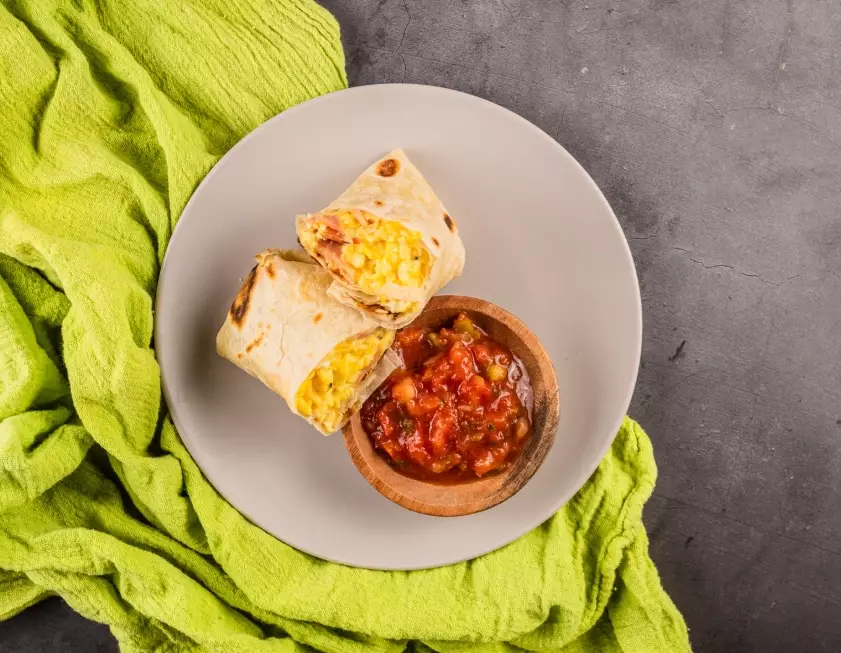
What You'll Find in This Guide
Why Make-Ahead Breakfast Burritos Actually Work
The concept is simple: you assemble cooked fillings into tortillas, wrap them tightly, and freeze them. When you need one, you reheat it. The magic—and the potential for disaster—lies in the details. The primary enemy is moisture. Ingredients release water when frozen and reheated, which turns your tortilla into a gummy paste. The second enemy is texture degradation, particularly with eggs and potatoes.
I learned this the hard way when I first tried using fresh, diced tomatoes. The result was a pool of liquid and a disintegrating tortilla. Now, I use sun-dried tomatoes or a spoonful of salsa after reheating. Understanding the science of freezing each component is what separates a great freezer burrito from a mediocre one.
The payoff is immense. Imagine a hot, satisfying breakfast ready in 3 minutes flat, with zero morning effort. It saves money, reduces food waste, and beats drive-thru options in both nutrition and taste. According to the USDA's FoodKeeper app, properly wrapped and frozen cooked foods maintain best quality for 2-3 months, making this a practical long-term strategy.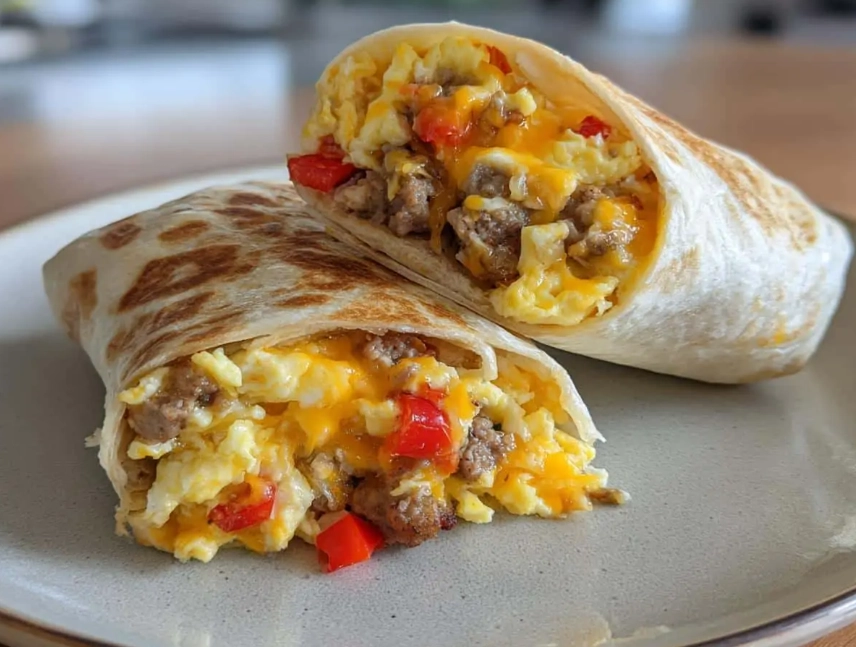
The Critical Step: Ingredient Selection for Freezing
Not all breakfast burrito fillings are created equal when it comes to the freezer. Your goal is to choose ingredients that are low in moisture and hold their texture well after a freeze-thaw-reheat cycle.
Here’s a breakdown of common ingredients and how they fare:
| Ingredient | Freezer-Friendly? | Key Preparation Notes |
|---|---|---|
| Scrambled Eggs | Yes, with technique | Cook them slowly on low heat until just set, even slightly underdone. They finish cooking during reheating. Adding a splash of milk or cream helps prevent a rubbery texture. |
| Potatoes (Diced/Roasted) | Excellent | Par-cook or fully cook until tender. Let them get a slight crisp on the outside—this helps them hold up better. Avoid mashed potatoes. |
| Breakfast Sausage/Bacon | Excellent | Cook until fully done and crispy. Pat dry with paper towels to remove excess grease before adding to the burrito. |
| Cheese (Shredded) | Very Good | Use block cheese you shred yourself. Pre-shredded cheese contains anti-caking agents that can make it grainy when melted after freezing. |
| Bell Peppers & Onions | Good | Sauté until very soft and all released moisture has cooked off. Raw or al dente veggies will become watery. |
| Fresh Spinach/Tomatoes | Poor | These are water bombs. Use frozen chopped spinach (thawed and squeezed DRY) or sun-dried tomatoes instead. |
| Beans (Black/Pinto) | Good | Use canned beans, rinsed and drained well, or fully cooked dried beans. The texture holds up fine. |
| Avocado/Guacamole | No | Do not freeze. Add fresh after reheating. |
| Sour Cream/Yogurt | No | Do not freeze. Add fresh after reheating. |
Step-by-Step Assembly and Freezing Process
Once your components are cooked and completely cool, it's assembly time. This is where you lock in the quality.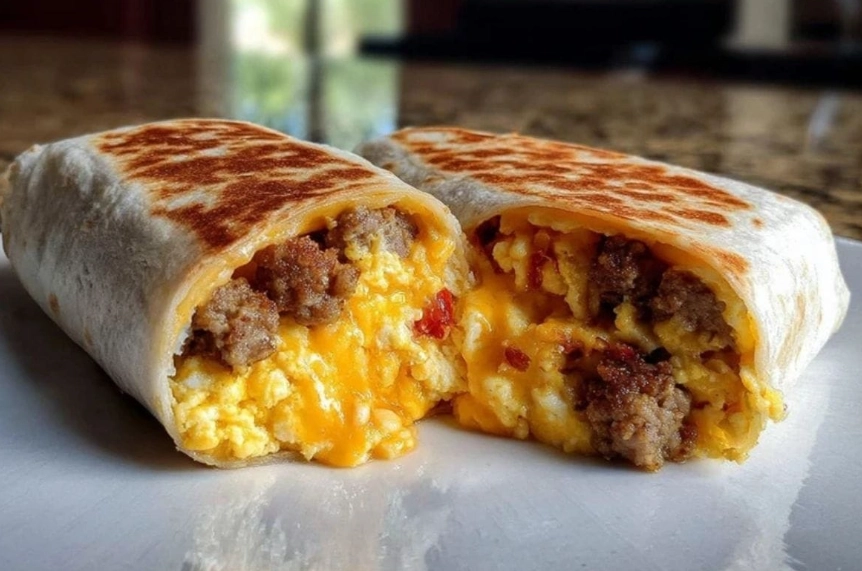
How to Assemble for Optimal Freezing
Lay out your tortillas (10-inch flour tortillas work best—they're more pliable when cold). I lightly warm them in a dry skillet for 10 seconds per side to make them more flexible and less likely to crack. Place a piece of parchment paper about 8x8 inches in the center of the tortilla. This isn't just for wrapping; it creates a barrier that prevents the tortilla from directly contacting moist fillings, which is a major sogginess culprit.
Layer your fillings in the center of the parchment, but be conservative. Overfilling is the second most common error. You need enough room to fold it tightly. A good ratio is about ¾ to 1 cup of total filling per large tortilla. Start with cheese on the bottom—it acts as a glue. Then add eggs, potatoes, meat, and drier veggies.
Fold the sides in, then roll from the bottom up, using the parchment paper to help you create a tight cylinder. Wrap the parchment paper snugly around the burrito. Then, wrap it tightly in aluminum foil. The foil is your primary barrier against freezer burn. Finally, place it in a labeled freezer bag, squeezing out as much air as possible. I write the contents and date with a Sharpie.
The Flash Freeze Method (For Individual Grab-and-Go)
If you want to be able to grab just one burrito without them sticking together, use the flash freeze method. Place the parchment-wrapped (but not yet foil-wrapped) burritos on a baking sheet so they aren't touching. Freeze for 2-3 hours until solid. Then, wrap each frozen burrito in foil and bag them. Now they're like individual frozen dinners.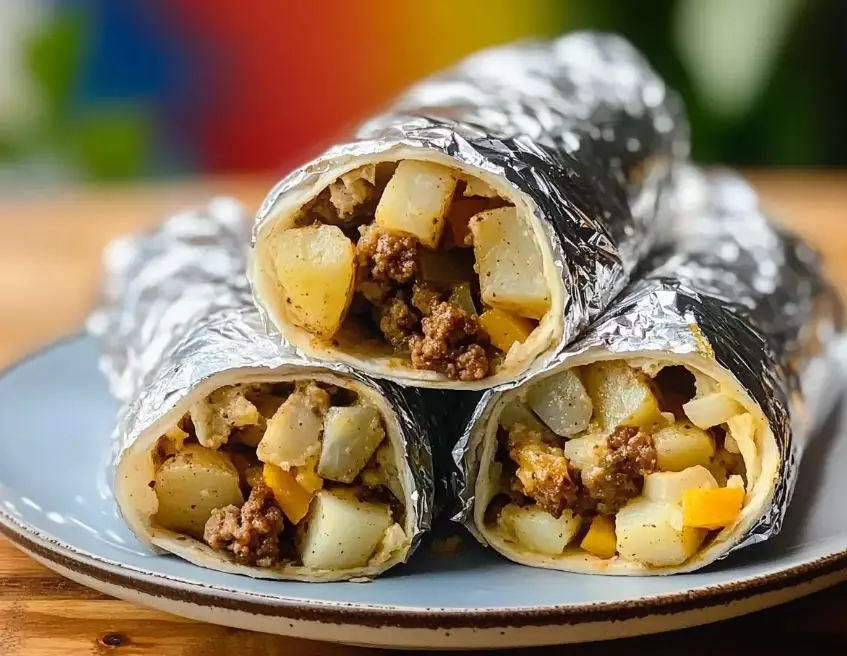
How to Store and Reheat for Best Results
Storage is straightforward. Keep them in the coldest part of your freezer, ideally at the back. For best quality, aim to eat them within 2-3 months. They'll be safe beyond that, but flavors and textures will slowly decline.
Reheating is where you reclaim your breakfast. The microwave is fastest but risks a soft tortilla. The oven or air fryer yields a superior, crisp exterior.
Microwave Method (3 minutes): Remove the foil but keep the parchment paper on. Microwave on high for 1 minute. Flip, and microwave for another 60-90 seconds, until the center is hot. Let it sit for 1 minute. The parchment steams it from the inside, protecting the tortilla. For a crisper finish, finish it in a hot, dry skillet for 30 seconds per side.
Oven/Air Fryer Method (20-25 mins / 10-12 mins): This is my preferred method. Preheat oven to 375°F (190°C) or air fryer to 350°F (175°C). Remove all foil and parchment. Wrap the frozen burrito loosely in fresh foil. Bake for 20 minutes (air fry for 10). Then, unwrap the foil and continue baking for 5-10 minutes (air fry 3-5) to crisp the tortilla. The result is night-and-day better—crispy, hot throughout, and perfectly melted inside.
Toaster ovens work brilliantly for this too.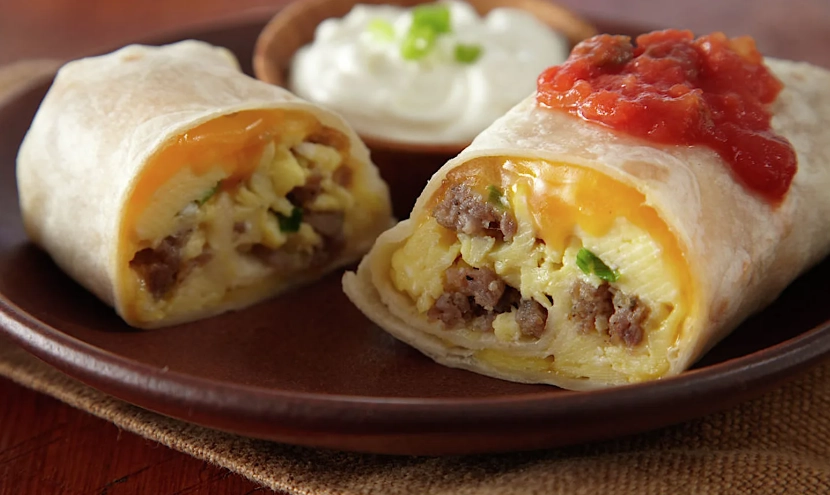
Answering Your Make-Ahead Burrito Questions
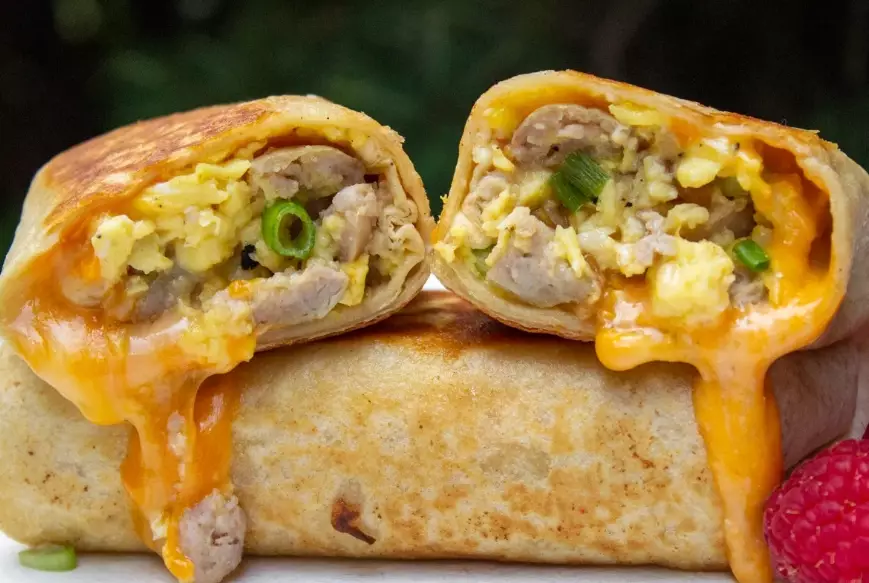 What's the best way to add salsa or a saucy element without making it soggy?
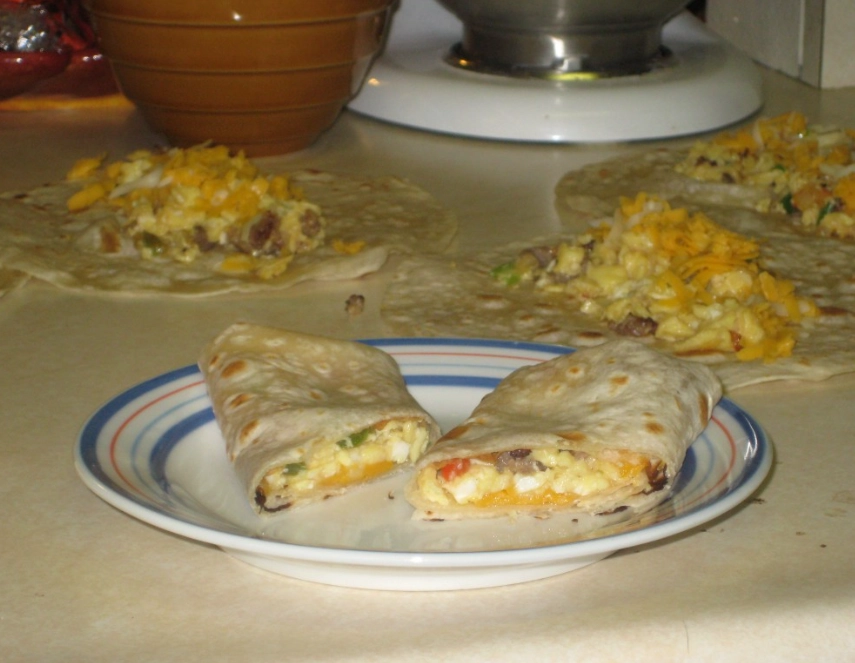 The bottom line is this: with thoughtful ingredient prep and proper wrapping, make-ahead breakfast burritos aren't just a possibility—they're a weekday lifesaver. Skip the guesswork, avoid the soggy tortilla trap, and embrace the freedom of a ready-to-go breakfast. Your future self, on that rushed Tuesday morning, will thank you.
Reader Comments