Let's be real. The 5 PM "what's for dinner?" panic is a universal experience. You're tired, maybe the kids are hungry, and the last thing you want to do is figure out a complex recipe. That's where the magic of ground beef meal prep comes in. It's not some fancy, Instagram-trend diet thing. It's a practical, down-to-earth system that saves your sanity, your wallet, and your taste buds, week after week.
Quick Guide
- Why Ground Beef is Your Meal Prep Superhero
- Picking the Right Beef: It's Not All the Same
- The Core Ground Beef Meal Prep Method: A Step-by-Step Walkthrough
- Ground Beef Meal Prep Recipe Ideas & Game Plan
- Storing and Reheating: Keeping It Safe and Tasty
- Answering Your Ground Beef Meal Prep Questions
- Making It Work For You: The No-Pressure Approach
I used to be the queen of last-minute takeout. My grocery bill was a horror story, and my nutritional choices were... questionable. Then I gave ground beef meal prep a serious try. Not a perfect, Pinterest-worthy try, but a real one. And it changed everything. This guide is everything I wish I'd known when I started, packed with the real-world tricks that actually work, not just theory.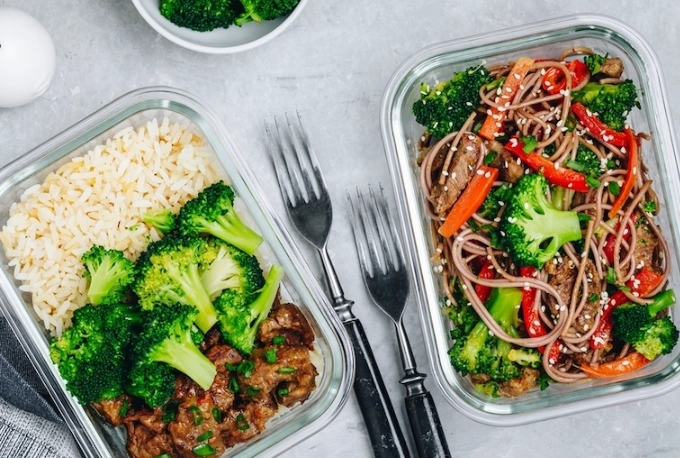
Why Ground Beef is Your Meal Prep Superhero
You might wonder why focus on ground beef? Why not chicken or tofu? Well, for meal prep, ground beef brings a unique set of advantages to the table that are hard to beat.
First off, it's incredibly forgiving. Overcook chicken breast by a few minutes, and you've got a dry, sad piece of rubber. Overcook ground beef a bit while browning a huge batch? It's still going to be flavorful and juicy in a sauce or a casserole. That margin for error is a lifesaver when you're cooking large quantities.
Then there's the versatility. Think about it. From Italian pasta sauces and American-style sloppy joes to Mexican taco fillings and Asian-inspired lettuce wraps, ground beef adapts to a dizzying array of cuisines and flavors. This is the secret weapon against "meal prep boredom." You can cook a giant batch of the base meat and season it differently throughout the week.
And let's talk cost. Per gram of protein, ground beef (especially leaner blends) is often more budget-friendly than many cuts of steak, fish, or even some poultry. When you're feeding a family or just trying to stretch your grocery budget, this matters. A successful ground beef meal prep strategy directly attacks food waste and impulse spending.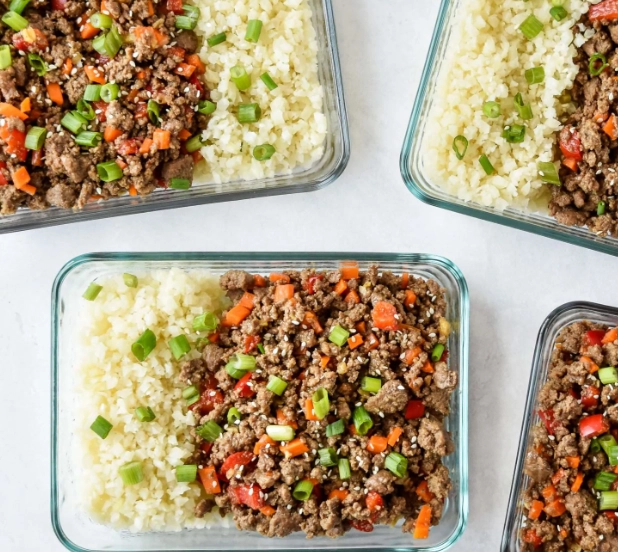
Picking the Right Beef: It's Not All the Same
Walk up to the meat counter, and you'll see numbers: 80/20, 90/10, 93/7. This is the lean-to-fat ratio. Your choice here fundamentally changes your meal prep outcome.
80/20 (Regular): This is the classic. 80% lean, 20% fat. It has the most flavor and stays juicy, but it will render out a lot of fat when cooking. You'll need to drain it thoroughly. Best for burgers, meatloaf, or meatballs where fat equals flavor and moisture.
90/10 or 93/7 (Lean/Extra Lean): Less fat, less flavor (some would argue), less shrinkage when cooking, and less draining required. I find this ideal for sauces, chili, and dishes where the meat is mixed with lots of other ingredients and sauces. It's a healthier choice, but you have to be more careful not to overcook it into dryness.
There's also the source to consider. Grass-fed, organic, grain-finished—the labels can be confusing. For meal prep, my practical advice is this: if your budget allows, splurge on grass-fed or organic for dishes where the beef flavor is the star (like a simple burger patty or meat sauce). For heavily seasoned dishes like tacos or chili, the quality of your spices will shine more than the subtle nuances of the beef, so a standard, leaner option is perfectly fine.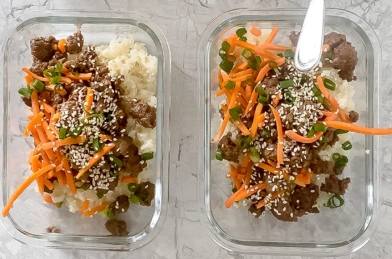
The Core Ground Beef Meal Prep Method: A Step-by-Step Walkthrough
Okay, let's get into the nuts and bolts. How do you actually do this without spending your whole Sunday in the kitchen?
Step 1: The Strategic Cook-Off
Don't just start browning meat randomly. Have a plan. I usually cook 3 to 4 pounds at a time. Here's my method:
Use the largest skillet or, better yet, a Dutch oven or stockpot. Crowding the pan steams the meat instead of browning it, and you want that delicious Maillard reaction (the fancy term for browning that creates flavor). Cook in batches if you have to.
Season aggressively at this stage, even if you're making a "plain" batch for later seasoning. At a minimum, use a hefty amount of kosher salt and black pepper. This builds flavor from the inside out.
Once the beef is browned and crumbled, drain the excess fat. For lean beef, there might not be much. For 80/20, I drain it into an old jar (let it cool and throw it out, don't pour it down the drain!). This step is crucial for the texture and health profile of your final dishes.
Step 2: The Flavor Fork in the Road
This is where your ground beef meal prep becomes genius. Don't make one giant pot of one thing. Split your cooked, drained beef into different flavor profiles.
- Batch A (Italian/Mediterranean): Add minced garlic, dried oregano, basil, and a pinch of red pepper flakes. Maybe a splash of red wine if you're feeling fancy. This is your pasta sauce, pizza topping, or stuffed pepper base.
- Batch B (Mexican/Tex-Mex): Add a homemade or high-quality store-bought taco seasoning (cumin, chili powder, paprika, garlic powder). A bit of tomato paste and some water or broth can make it saucy. Ready for taco bowls, burritos, or nachos.
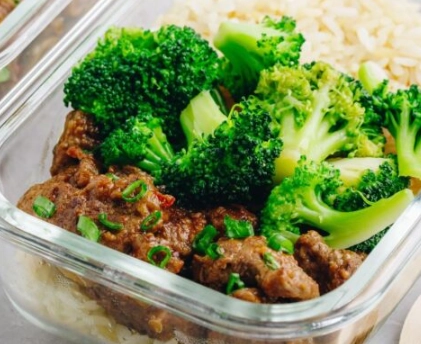
- Batch C (Asian-Inspired): Add grated ginger, minced garlic, soy sauce, and a touch of sesame oil. Perfect for lettuce cups, fried rice, or to toss with some steamed broccoli and rice.
- Batch D ("Neutral" Base): Leave this one lightly seasoned with just salt and pepper. This is your blank canvas for later in the week. You can turn it into Sloppy Joe mix, add it to a soup, or use it in a cottage pie.
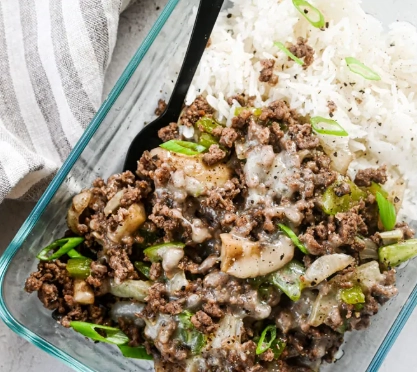
Step 3: Cooling, Portioning, and the All-Important Label
This is the non-negotiable step for safety and sanity.
Let the cooked beef cool to room temperature before putting it in containers. Don't pack steaming hot food into the fridge—it raises the internal temperature and is a food safety risk. Spread it on a baking sheet to cool faster.
Portion based on how you'll use it. For my household of two, I use 1-cup portions for things like taco filling or pasta sauce add-in. For a main protein, I might use 1.5 cups.
LABEL EVERYTHING. I use masking tape and a sharpie. Write what it is and the date. "Taco Beef, 10/26" or "Italian Base, 10/26". Your future self, staring into the abyss of the freezer at 6 PM, will thank your past self profusely. Trust me.
For storage, I'm a fan of reusable, freezer-safe containers or even heavy-duty freezer bags (squeeze out the air). Glass containers are great for the fridge but can crack in the freezer if you're not careful.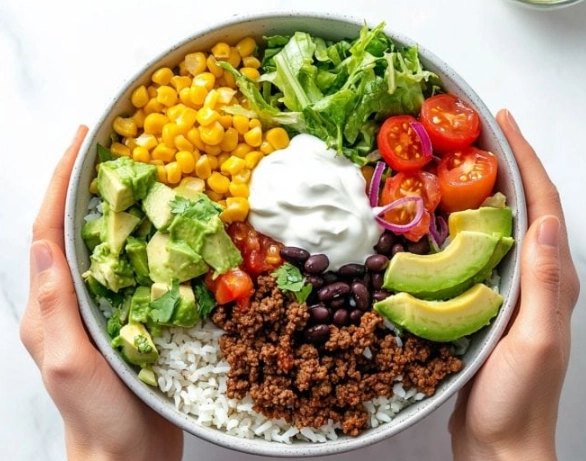
Ground Beef Meal Prep Recipe Ideas & Game Plan
Here’s a practical table to visualize how one big cook-off can translate into a week of effortless dinners. This is the real power of ground beef meal prep.
Cook a big pot of rice during your prep day. Portion it with the beef or store separately.
Freeze the beef+sauce combo together. Thaw overnight for an ultra-quick dinner.
Place patties on parchment paper in a container before freezing so they don't stick.
Quick-pickle sliced cucumbers in rice vinegar & sugar during prep. They keep for weeks.
Pre-measure your dry spices (chili powder, cumin) into a small bag for the recipe.
| Recipe Name | Main Ingredients (From Prepped Beef) | Cooking Method (Day Of) | Meal Prep Tip |
|---|---|---|---|
| Loaded Taco/Burrito Bowl | Mexican-seasoned beef, pre-chopped lettuce, salsa, cheese, canned beans (rinsed), pre-cooked rice. | Reheat beef & rice. Assemble bowls cold. | |
| Weeknight Bolognese | Italian-seasoned beef, jarred marinara, dried pasta. | Simmer beef with sauce for 15 mins. Cook pasta. | |
| Meal Prep Burger Patties | Form raw 80/20 beef into patties. Season well. | Grill, pan-fry, or air-fry from frozen or thawed. | |
| Korean Beef Rice Bowls | Asian-seasoned beef, pre-made sauce (soy, brown sugar, sesame), quick-pickled cucumbers, rice. | Reheat beef with sauce. Top over hot rice. | |
| Hearty Chili or Soup | Neutral or Mexican beef, canned tomatoes, beans, broth, frozen corn. | Combine all in a pot and simmer for 30 mins. |
See? You're not eating the same thing. You're using a pre-prepped component to slash active cooking time on busy nights. That's the core philosophy of effective ground beef meal prep.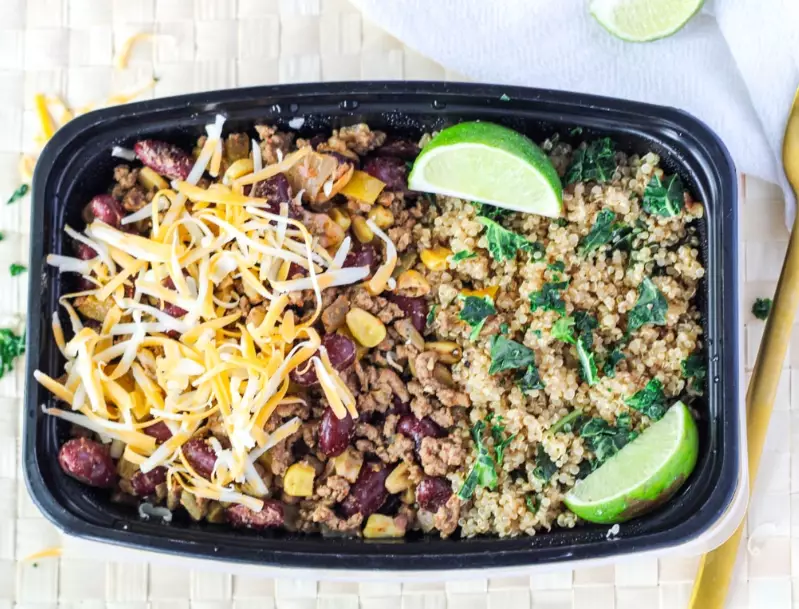
Storing and Reheating: Keeping It Safe and Tasty
All this work is pointless if your food spoils or tastes terrible when you reheat it. Follow these guidelines religiously.
Refrigerator: Cooked ground beef will keep safely for 3 to 4 days in the fridge. That's from the USDA (USDA Leftovers and Food Safety). I personally try to use mine within 3 days for the best quality. Store it in the back of the fridge, not in the door, where the temperature is most stable.
Freezer: For long-term storage, the freezer is your friend. Properly stored, cooked ground beef will maintain best quality for about 2 to 3 months. While it's safe beyond that, freezer burn and flavor loss become more likely. Use airtight containers or bags and press out all the air.
Reheating Like a Pro:
- Stovetop: My preferred method. A little broth, water, or even a splash of tomato sauce in a pan with the beef helps it reheat evenly and prevents it from drying out. Medium-low heat, stir frequently.
- Microwave: Fast but risky. Use a microwave-safe dish, cover it loosely, and add a tablespoon of liquid. Heat in 30-second intervals, stirring in between. Stop when it's just hot, not boiling and tough.
- From Frozen: Thaw in the fridge overnight for best results. For a quicker method, you can reheat directly from frozen in a saucepan with some added liquid over low heat, breaking it up as it thaws. This takes patience.
Answering Your Ground Beef Meal Prep Questions
Q: Is it cheaper to meal prep with ground beef?
A: Absolutely, and in more ways than one. You buy in bulk on sale, you use every bit, and you drastically cut down on expensive last-minute takeout and food waste. The initial investment in containers pays for itself quickly.
Q: I'm worried about getting bored. How do I keep it interesting?
A: This was my biggest hurdle. The key is the flavor splitting I mentioned earlier. Also, change up your *accompaniments*. One night, your Mexican beef is in a tortilla. The next, it's on a baked potato. Another night, it's on a salad. Same beef, totally different experience. Global spices are your best friend.
Q: Can I prep raw ground beef instead of cooking it first?
A> You can, but I don't recommend it for beginners. Forming raw patties or meatballs to freeze is great. But freezing raw, crumbled ground beef in a block makes it harder to cook from frozen and can affect texture. Cooking it first gives you more flexibility and faster meals.
Q: What are some healthier swaps for ground beef?
A> You can often mix in ground turkey or chicken for a leaner option. For a plant-based twist, try lentils or crumbled firm tofu. They absorb flavors beautifully. The Academy of Nutrition and Dietetics has great resources on balancing protein sources (EatRight.org on Protein). I sometimes do a 50/50 mix of beef and lentils in my pasta sauce—it's cheaper, adds fiber, and my family doesn't even notice.
Q: My reheated beef is always dry. What am I doing wrong?
A> Two likely culprits: 1) You overcooked it the first time. Ground beef is done at 160°F (71°C). It will continue to cook as it rests. 2) You're reheating it with too high heat and no added moisture. Always add a splash of liquid and reheat gently.
Making It Work For You: The No-Pressure Approach
The biggest mistake people make with meal prep is going all-in and burning out. Don't try to prep 15 gourmet meals on your first Sunday. Start small.
Start with one recipe.
Next week, maybe prep the ground beef and the rice. The week after, add a pre-chopped veggie. Build the habit slowly. Some weeks, life happens, and you might only get a basic batch of taco meat done. That's still a win. That's three dinners handled.
Ground beef meal prep isn't about perfection. It's about giving your future self a break. It's about knowing that on a rainy Tuesday, a delicious, homemade meal is already waiting for you, saving you money and stress.
It turns cooking from a daily chore into a weekly strategy. And honestly, that feels pretty good.
Reader Comments