In This Guide
- What Exactly Is a Chicken Vegetable Casserole, Anyway?
- The Foundation: Choosing Your Ingredients
- My Go-To, No-Fail Chicken Vegetable Casserole Recipe
- Beyond the Basic: Epic Variations to Try
- The Tools That Actually Make a Difference
- Troubleshooting: Fixing Common Casserole Problems
- Making it Healthier (Without Sacrificing Flavor)
- Meal Prep & Storage: Your Future Self Will Thank You
- Answers to Questions You Were Too Afraid to Ask
- Wrapping It All Up
Let's be honest. We've all had that moment. It's 5:30 PM, everyone's hungry, and you're staring into the fridge hoping for inspiration to strike. A chicken vegetable casserole always feels like the right answer—it's hearty, it's got everything in one dish, and it screams comfort. But then you remember that one time it turned out dry, or the veggies were still crunchy, or the whole thing just tasted... bland.
Yeah, I've been there too. My first attempt at a chicken and veggie bake was a disaster. I threw in raw chicken with hard potatoes and carrots, covered it in canned soup, and hoped for the best. What came out was a sad, unevenly cooked mess. The chicken was done, the potatoes were rock-hard. Not my finest hour.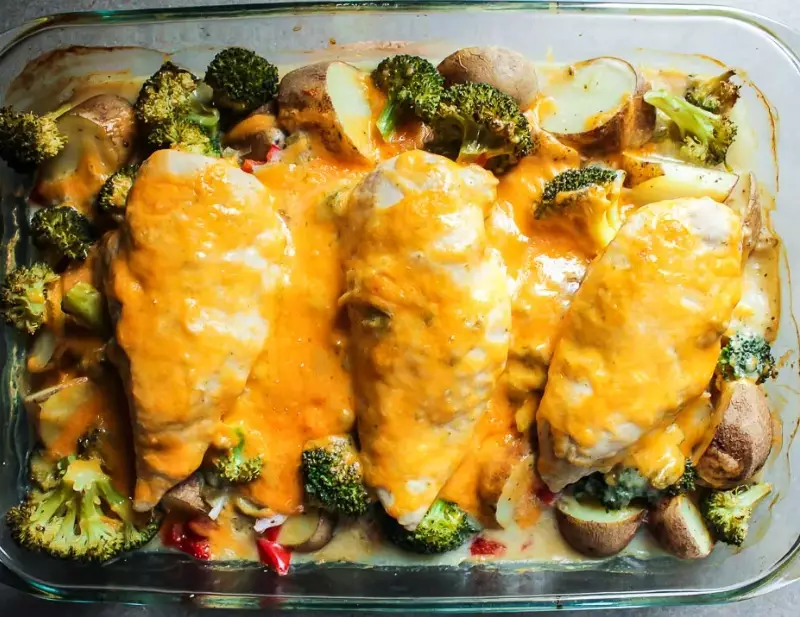
But that's why I'm writing this. After years of testing, tweaking, and yes, failing sometimes, I've figured it out. This isn't just one recipe. It's a whole system for making a chicken vegetable casserole that works every single time, and that you can make your own.
What Exactly Is a Chicken Vegetable Casserole, Anyway?
It sounds simple enough, right? Chicken, vegetables, bake it. But the magic is in how you bring it all together. At its core, a chicken vegetable casserole is a baked dish where protein and veggies are combined with a binding or saucing component (think cream soup, broth, cheese sauce, or a roux) and often topped with something crunchy like breadcrumbs or crispy onions.
It's the ultimate one-dish wonder. The goal is harmony—tender chicken, perfectly cooked vegetables, and a savory, creamy sauce that holds it all together. It's home cooking at its best.
But here's the thing most recipes don't tell you: the order of operations matters. A lot.
The Foundation: Choosing Your Ingredients
You can't build a great house on a shaky foundation, and the same goes for your casserole. Let's break down each component.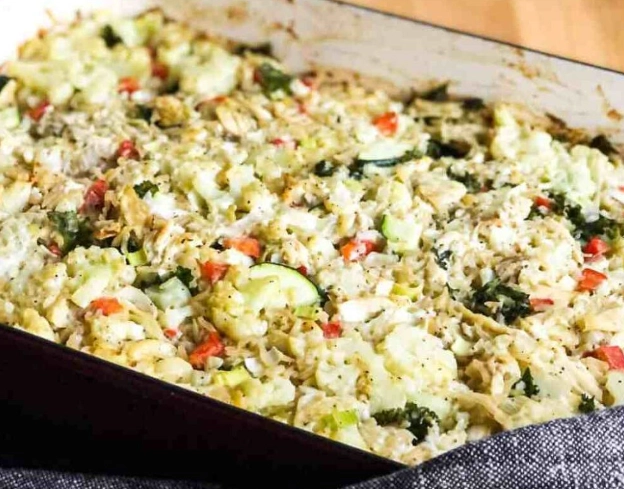
The Chicken: Your Main Event
Boneless, skinless chicken breasts or thighs? This is the great debate. Breasts are lean and cook quickly, but they can dry out if you're not careful. Thighs are more forgiving—fattier, juicier, and packed with flavor. For a foolproof chicken vegetable casserole, I almost always go with thighs. They stay moist even if you accidentally over-bake it a bit.
But here's a pro tip I learned from a chef friend: don't just cube raw chicken and throw it in. For deeper flavor and guaranteed doneness, consider browning the chicken pieces first. Just a quick sear in a skillet to get some color on the outside. It adds a ton of flavor and locks in the juices. It's an extra step, but trust me, it's a game-changer.
The Vegetable Crew: Texture and Color
This is where you can really personalize your chicken vegetable casserole. But not all veggies are created equal when it comes to baking time.
Hard vegetables like potatoes, carrots, and celery need a head start. If you put them in raw with the chicken, they'll still be hard when the chicken is done. The solution? Par-cook them. You can boil them for 5-7 minutes until just slightly tender, or even microwave them with a splash of water. Soft vegetables like zucchini, bell peppers, mushrooms, and spinach go in later or raw, as they cook quickly.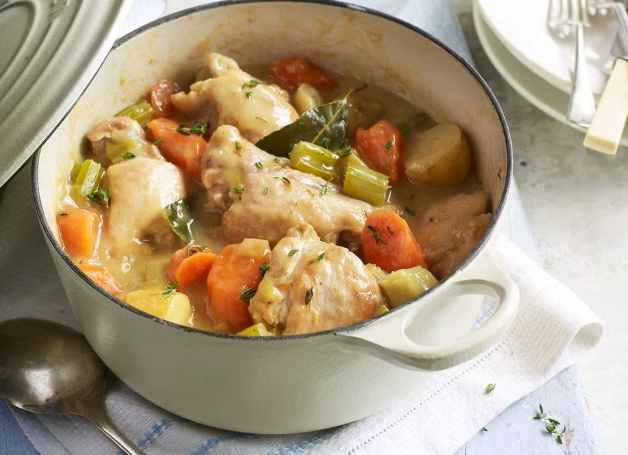
I love this next table. It saved me from so many undercooked veggie disasters.
| Vegetable | Prep Needed Before Baking | Best Partner For |
|---|---|---|
| Potatoes (diced) | Par-boil for 8-10 mins | Hearty, stick-to-your-ribs casseroles |
| Carrots (sliced) | Par-boil for 5-7 mins | Classic flavor, adds sweetness |
| Broccoli (florets) | Blanch for 2-3 mins | Cheddar cheese sauces, healthy bakes |
| Cauliflower (florets) | Blanch for 3-4 mins | Low-carb versions, great with cheese |
| Bell Peppers (diced) | None (add raw) | Color, sweetness, no mushiness |
| Zucchini (sliced) | Salt & drain (optional)* | Summer casseroles, adds moisture |
| Spinach (fresh) | None (wilts instantly) | Creamy sauces, add at the very end |
| Mushrooms (sliced) | Sauté to release water | Umami boost, meaty texture |
*Salting zucchini slices and letting them sit for 20 minutes draws out excess water, preventing a soggy casserole. Sometimes I skip it, but if I'm using a lot of zucchini, I do it.
The "Glue": Sauces and Binders
The classic binder is a can of condensed cream of mushroom or chicken soup mixed with a little milk. It's easy, it works, and there's no shame in using it on a busy weeknight. But if you want to level up your chicken vegetable casserole, making your own sauce is simpler than you think.
A basic white sauce (béchamel) is just butter, flour, and milk. Melt butter, whisk in an equal amount of flour to make a paste (a roux), cook it for a minute to get rid of the raw flour taste, then slowly whisk in warm milk until it thickens. Season it well. From there, you can add shredded cheese for a cheese sauce, or stir in sautéed mushrooms.
Another fantastic option is using a combination of broth and a splash of cream or Greek yogurt. It's lighter but still creamy. The key with any sauce is to season it aggressively. Taste it before you pour it over everything. Does it need more salt? Pepper? A pinch of thyme or garlic powder?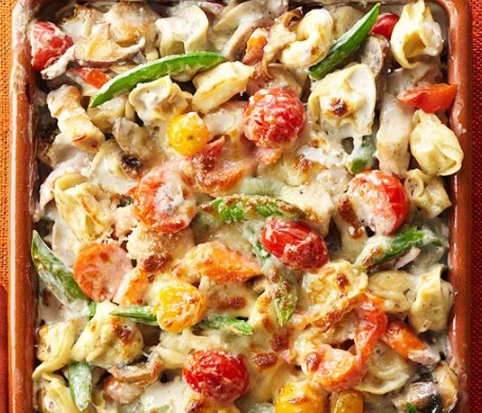
My Go-To, No-Fail Chicken Vegetable Casserole Recipe
Alright, let's get practical. This is my weekday workhorse recipe. It's flexible, forgiving, and always gets compliments.
What You'll Need:
- 1.5 lbs boneless, skinless chicken thighs, cut into 1-inch chunks
- 1 tablespoon olive oil
- Salt and black pepper
- 1 medium onion, diced
- 2 cloves garlic, minced
- 2 cups par-boiled mixed vegetables (I use a bag of frozen carrots, peas, and green beans—thawed—for ultimate ease)
- 1 can (10.5 oz) condensed cream of chicken soup (or your homemade white sauce)
- 1/2 cup milk or chicken broth
- 1/2 cup sour cream (makes it extra rich)
- 1 teaspoon dried thyme
- 1 1/2 cups shredded cheddar cheese, divided
- 1 cup crispy fried onions or panko breadcrumbs for topping
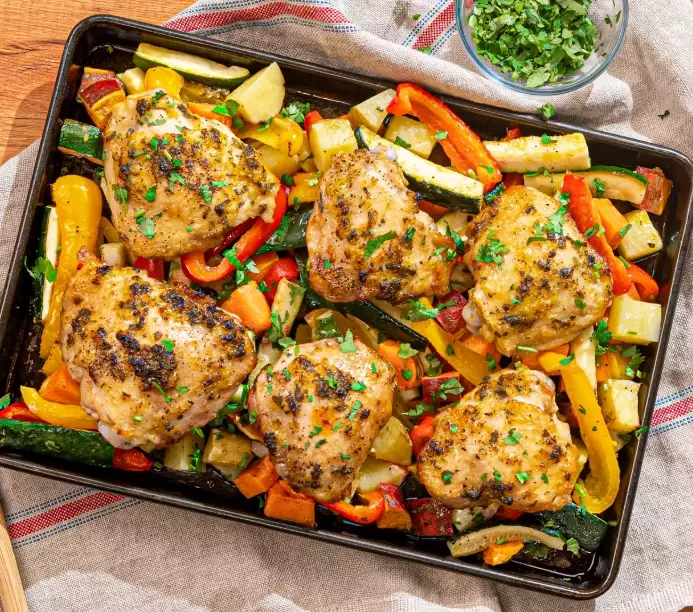
What You'll Do:
- Prep: Heat your oven to 375°F (190°C). Grab a 9x13 inch baking dish.
- Brown the Chicken: Pat the chicken dry and season with salt and pepper. Heat the oil in a skillet over medium-high. Add the chicken in a single layer (don't crowd it!) and cook for 2-3 minutes per side until just browned. It doesn't need to be cooked through. Transfer it to the baking dish.
- Sauté the Aromatics: In the same skillet (don't wash it—all that flavor is in there!), add the onion. Cook for 3-4 minutes until soft. Add the garlic and cook for 30 seconds until fragrant.
- Make the Sauce: Reduce heat to low. Add the soup, milk, sour cream, and thyme to the skillet with the onions. Stir until everything is warm and combined. Stir in 1 cup of the shredded cheese until melted.
- Combine: Pour the thawed vegetables over the chicken in the dish. Pour the warm cheese sauce over everything and gently stir to coat.
- Top & Bake: Sprinkle the remaining 1/2 cup cheese over the top, then cover evenly with the crispy onions or panko. Bake, uncovered, for 25-30 minutes, until the casserole is bubbling vigorously around the edges and the topping is golden brown.
- Rest: This is crucial. Let it sit for 10 minutes after pulling it from the oven. This allows the sauce to thicken up a bit so it doesn't run everywhere when you serve it.
Beyond the Basic: Epic Variations to Try
Once you've mastered the basic formula, the world is your oyster. A chicken vegetable casserole is the perfect canvas for creativity.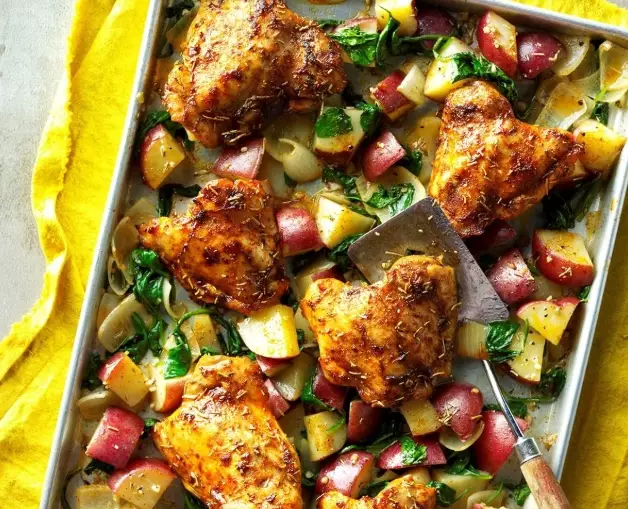
The Italian Job: Use diced tomatoes (drained), zucchini, and spinach. Swap the cream of chicken for a marinara or Alfredo sauce. Use mozzarella and Parmesan cheese. Top with garlic breadcrumbs. It's like a chicken parmesan bake.
The Southwest Fiesta: Add black beans, corn, and diced green chiles. Use a sauce made with cream of chicken, a can of diced tomatoes with green chiles (Rotel), and a tablespoon of taco seasoning. Top with a mix of cheddar and Monterey Jack cheese, and crushed tortilla chips. Serve with a dollop of sour cream.
The Comforting Chicken Pot Pie Style: This is the ultimate. Use a mix of peas, carrots, diced potatoes, and celery. Make a rich sauce with butter, flour, chicken broth, and a splash of cream. Use shredded rotisserie chicken. Top with store-bought puff pastry or biscuit dough instead of breadcrumbs. It's pure heaven.
The Light & Bright Greek Version: Use chicken, artichoke hearts (canned, drained), kalamata olives, and cherry tomatoes. Make a lemony sauce with Greek yogurt, chicken broth, lemon juice, and oregano. Use feta cheese crumbled on top. It's surprisingly fresh and flavorful.
The Tools That Actually Make a Difference
You don't need fancy gear, but a few key items will make your casserole life easier.
- A Good Baking Dish: Ceramic or glass is best. They distribute heat evenly, preventing hot spots that can burn the bottom. A 9x13 is the standard workhorse size.
- A Large Skillet: For browning chicken and making sauces. A stainless steel or cast-iron one is perfect.
- Microplane Grater: For fresh garlic and ginger. It creates a paste that melts right into the sauce.
- Kitchen Shears: The easiest way to cut chicken thighs into chunks right in the skillet after browning.
- Ladle: For evenly distributing sauce. Sounds simple, but it's better than pouring from a bowl and making a mess.
Troubleshooting: Fixing Common Casserole Problems
We've all run into issues. Here's how to fix (or prevent) them.
Why it happens: Vegetables (especially zucchini, mushrooms, frozen veggies not thawed) release too much water during baking. The Fix: Always thaw frozen veggies and pat them dry. Sauté mushrooms before adding. For high-water veggies, salt and drain them. Make sure your sauce is thick before baking—it should coat the back of a spoon. If it's already baked and watery, you can try sprinkling a tablespoon of instant mashed potato flakes or breadcrumbs on top and baking for 5 more minutes to absorb moisture.
Why it happens: Using lean chicken breasts, baking too long, or not having enough sauce. The Fix: Use chicken thighs. Don't over-bake—check at the minimum time. Ensure the chicken is mostly submerged in sauce. Browning first helps lock in moisture.
Why it happens: Underseasoning. Casseroles need bold seasoning because the baking process mutes flavors. The Fix: Season every layer. Salt and pepper the chicken. Season your sauce well and taste it before assembling. Don't be shy with herbs, garlic, onion powder, or a splash of something acidic like lemon juice or white wine at the end of making your sauce.
What about a burnt topping but a cold center? That usually means your oven is too hot, or you put the dish too close to the top heating element. Bake in the center of the oven. If the topping is browning too fast, just loosely tent it with aluminum foil.
Making it Healthier (Without Sacrificing Flavor)
I get it, sometimes you want comfort food that doesn't feel too heavy. A chicken vegetable casserole can absolutely be part of a healthy diet.
First, load up on the vegetables. They're the star. Aim for at least a 1:1 ratio of chicken to veggies by volume. More is better.
For the sauce, you have options. Use a low-sodium condensed soup or, better yet, make a sauce with low-sodium chicken broth thickened with a little cornstarch (a slurry) instead of a butter-and-flour roux. Stir in a half-cup of plain Greek yogurt at the end for creaminess and protein. The USDA's MyPlate guidelines are a great reminder to make half your plate fruits and vegetables—a casserole makes that easy.
Choose whole-grain or gluten-free breadcrumbs or crushed whole-grain crackers for the topping. Reduce the cheese by half and use a stronger-flavored cheese like sharp cheddar or Parmesan, so you get more flavor with less volume.
Honestly, the healthiest move is often just watching your portion size. A serving of this chicken vegetable casserole with a big side salad is a perfectly balanced meal.
Meal Prep & Storage: Your Future Self Will Thank You
This is where a chicken vegetable casserole truly shines. It's a meal prep champion.
To Freeze Before Baking: Assemble the casserole completely in a freezer-safe dish (or aluminum pan). Cover tightly with plastic wrap, then foil. Label it with the name and date. Freeze for up to 3 months. To cook, thaw in the fridge overnight, then bake as directed (may need a few extra minutes). You can also bake from frozen—just cover with foil and bake at 350°F for about 1.5 hours, then uncover, add topping, and bake until hot and bubbly.
To Store Leftovers: Let the baked casserole cool completely. Portion it into airtight containers. It will keep in the fridge for 3-4 days. The sauce might thicken a bit; a splash of broth or milk when reheating helps.
Reheating Like a Pro: The microwave is fine for a single portion, but it can make the topping soggy. For best results, reheat in the oven at 350°F in an oven-safe dish, covered with foil, until warmed through (about 20 minutes). For a crispy topping again, broil for the last minute or two. The air fryer is also fantastic for reheating individual portions and getting the topping crispy again.
Answers to Questions You Were Too Afraid to Ask
Wrapping It All Up
So there you have it. The chicken vegetable casserole, demystified. It's not just a recipe; it's a formula for a reliable, delicious, and customizable dinner that can feed a crowd, fuel your week, and fill your kitchen with that incredible smell of home.
Don't be intimidated by the steps. Start with the basic recipe, maybe even using the canned soup shortcut. Get comfortable with that. Then, maybe next time, try browning the chicken. Then, experiment with a different vegetable combo. Before you know it, you'll have your own signature version that your family requests.
The best part? It's real food. It's not fussy. It’s forgiving. And on a cold night, when you pull that bubbling, golden-brown dish out of the oven, you'll feel like a kitchen hero. Because you are.
Now go preheat your oven. You've got a casserole to make.
Reader Comments