What's Inside This Guide
- Why This Soup Works: The Science of Simple Comfort
- The Non-Negotiable Foundation: Your Ingredients
- The Classic, Foolproof Potato Onion Soup Method
- Leveling Up: Variations on the Potato Onion Soup Theme
- Texture & Flavor Troubleshooting: Fixing Common Soup Problems
- Making It Ahead & Storing Your Masterpiece
- Answers to Your Potato Onion Soup Questions (FAQ)
- Final Thoughts: Embrace the Simplicity
Let's be honest. Sometimes you just need a bowl of soup that feels like a hug from the inside. You know the feeling. It's drizzly outside, or you're just tired, and the thought of a complicated dinner makes you want to order takeout. But then you remember you have potatoes and onions. Suddenly, the world seems a little brighter.
That's the magic of a simple potato onion soup. It's not fancy. It won't win any gourmet awards for novelty. But for sheer, unadulterated comfort and satisfaction, it's hard to beat. It's the culinary equivalent of your favorite worn-out sweater.
I make this soup at least twice a month when the weather turns. It never lets me down.
The beauty of this dish is its deceptive simplicity. On the surface, it's just two humble vegetables simmered in broth. But with a few thoughtful tweaks and an understanding of the process, you can transform it from a simple peasant food into something truly sublime. A velvety, rich, deeply flavorful potato onion soup that makes you close your eyes and just savor the moment.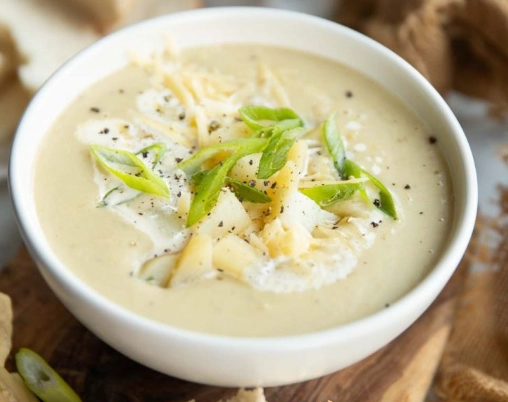
This guide isn't just about giving you a recipe. It's about giving you the understanding to make the best potato onion soup you've ever had, every single time. We'll walk through the classic version, explore fun variations (hello, creamy vegan option!), tackle common problems, and answer every question you might have. Consider this your masterclass in comfort.
Why This Soup Works: The Science of Simple Comfort
Ever wonder why the combination of potatoes and onions is so universally loved? It's not an accident. It's food chemistry and texture playing in perfect harmony.
Onions are the flavor foundation. When you cook them slowly—what chefs call "sweating" or "caramelizing"—their sharp, pungent raw flavor mellows dramatically. Natural sugars break down and caramelize, creating a complex, sweet, and savory base that forms the soul of the soup. The U.S. Department of Agriculture notes that onions are a good source of vitamin C and antioxidants, which is a nice bonus for such a flavorful ingredient.
Potatoes, on the other hand, are the body and the heart. They're starchy, which means when they break down during cooking, they release starch that naturally thickens the broth, giving it a satisfying, substantial mouthfeel without needing flour or cream (though we can add those later for fun). They also absorb all that beautiful onion flavor like a sponge.
Together, they create a balance that's greater than the sum of its parts. Earthy, sweet, savory, and creamy. It's a texture and flavor profile that's incredibly hard to mess up, which is why it's a perfect recipe for beginners, yet offers enough depth for experienced cooks to play with.
It's the ultimate pantry raid dinner.
The Non-Negotiable Foundation: Your Ingredients
You can't build a great house on a shaky foundation, and the same goes for soup. Let's talk about what you actually need to put in your pot. The shopping list is short, but your choices matter.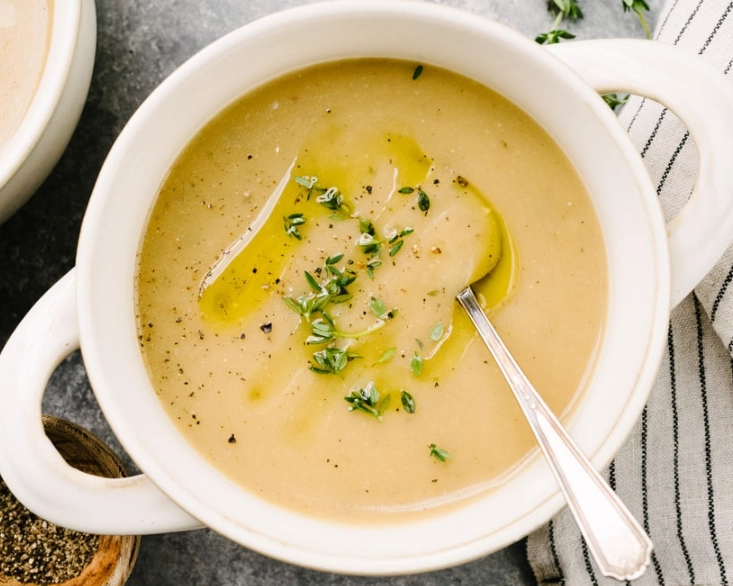
The Core Cast (Serves 4-6)
- Onions (2 lbs or about 3 large): This is your flavor. Yellow onions are the classic choice—they have the perfect balance of sharpness and sugar for caramelizing. Sweet onions (like Vidalia or Walla Walla) will give you a milder, sweeter soup faster. Red onions can work but will give a slightly different, more pungent flavor and a pinkish hue. I'm a yellow onion purist for this.
- Potatoes (2 lbs): The thickener. Starchy potatoes like Russets or Idahos will break down the most, giving you the creamiest texture with little effort. Waxy potatoes (like Red Bliss or New Potatoes) hold their shape better, resulting in a brothier soup with distinct potato chunks. My personal favorite is a mix: half Russet for creaminess, half Yukon Gold for buttery flavor and some texture.
- Fat (3-4 tablespoons): To cook those onions. Butter is king here for its rich flavor. Olive oil is a great second choice, especially if you want a lighter feel or are making it vegan. For the best of both worlds, use a combination. Don't skimp—this fat carries flavor.
- Liquid (6-8 cups): Your soup base. Low-sodium chicken broth is the traditional favorite for depth. Vegetable broth makes it vegetarian/vegan. You can even use water in a pinch, but you'll need to be more aggressive with seasoning. I always have Better Than Bouillon in my fridge for moments like this.
- Salt & Pepper: Seems obvious, but under-seasoning is the #1 reason homemade soup tastes bland. You'll need more than you think, especially if using low-sodium broth.
That's literally it for the bare bones. With just those five elements, you can make a fantastic, hearty potato onion soup. But of course, we want to explore the extras that take it to the next level.
The Classic, Foolproof Potato Onion Soup Method
Alright, let's get cooking. I'm going to walk you through my default method, the one I use when I just need dinner on the table with minimal fuss but maximum reward. I've made this so many times I could do it in my sleep.
First, clear your counter. Put on some music. Soup-making should be relaxing.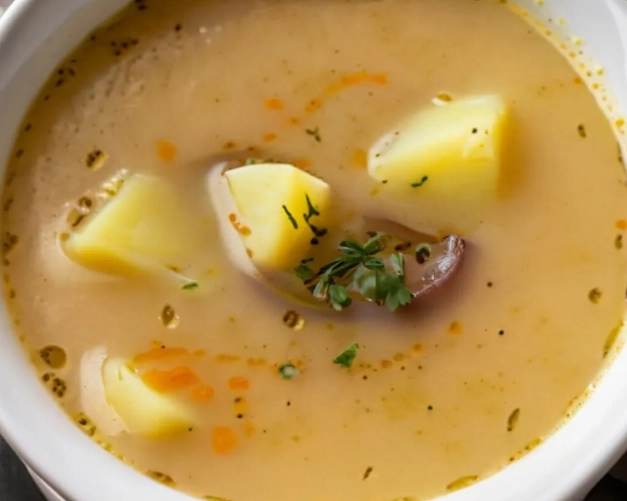
- Patiently Cook the Onions. This is the most important step. Don't rush it. Melt your butter/oil in a large, heavy-bottomed pot or Dutch oven over medium-low heat. Add all your sliced onions and a big pinch of salt. The salt helps draw out moisture. Stir to coat. Now, let them cook. Stir every 5-7 minutes. They'll wilt, then soften, then start to turn a light golden brown. This whole process should take at least 25-30 minutes. If you see bits sticking to the bottom, add a splash of water or broth to deglaze—that's flavor! You're looking for a deep, uniform golden-brown color, not black. This caramelization is what gives your potato onion soup its signature sweet, deep flavor base. No shortcut here.
- Add the Potatoes and Broth. Once your onions are gloriously golden, add your chopped potatoes. Stir them around for a minute or two so they get friendly with the fat and onions. Then, pour in your broth. Use enough to cover the vegetables by about an inch. Bring the whole thing to a gentle boil.
- Simmer to Tenderness. Once boiling, reduce the heat to a low simmer. Partially cover the pot with a lid (leave a crack for steam to escape). Let it bubble away gently until the potatoes are completely fall-apart tender. This usually takes 20-25 minutes. Poke a piece with a fork; it should offer no resistance.
- Blend (or Don't!). Here's a personal choice moment. For a silky smooth soup, use an immersion blender right in the pot. For a chunky, rustic soup, use a potato masher to break up some of the potatoes. For a brothy soup with distinct pieces, just leave it as is! I usually go for an immersion blender for about 10 seconds—just enough to thicken the broth but leave some texture.
- The Final Seasoning. Turn off the heat. Now, taste. And taste again. It will likely need more salt. Add it in small increments, stirring well after each addition, until the flavors really sing. Grind in a generous amount of black pepper. This is also the time to stir in any fresh herbs, a splash of cream, or a pat of extra butter for shine.
And that's it. Ladle it into bowls. Maybe drizzle with a little good olive oil or sprinkle with chives. Dive in.
See? Not hard. But the devil (and the angel) is in the details.
Leveling Up: Variations on the Potato Onion Soup Theme
The basic recipe is a blank canvas. Once you've mastered it, playing with variations is half the fun. Here are some of my favorite twists.
The Indulgent Creamy Version
After blending, stir in 1/2 to 1 cup of heavy cream, half-and-half, or whole milk. Warm it through gently—don't boil it after adding dairy, or it might curdle. This creates an incredibly luxurious, rich potato onion soup that's perfect for special occasions. A little grated nutmeg stirred in with the cream is a classic pairing.
The Cozy, Hearty Version (My Weeknight Go-To)
I often add a few cloves of minced garlic to the onions in the last 5 minutes of their cooking time. Then, when I add the broth, I throw in a couple of sprigs of fresh thyme or a teaspoon of dried thyme. Sometimes a bay leaf too (remember to fish it out before blending!). This adds layers of aroma that make the kitchen smell incredible.
The Surprisingly Lush Vegan Version
This one is a game-changer. Use olive oil. Use vegetable broth. For the creamy element, blend in 1/2 cup of raw cashews (soaked in hot water for 15 minutes first, then drained) with an extra cup of broth until completely smooth, then stir it into the soup. Or, stir in a can of full-fat coconut milk for a subtly tropical, rich finish. You won't miss the dairy.
The "Clean Out the Fridge" Version
Got a lonely leek? Throw it in with the onions. A couple of carrots needing a home? Dice them small and add them with the potatoes. A handful of spinach wilting? Stir it in at the very end. The potato onion soup base is incredibly forgiving and welcoming to other vegetables.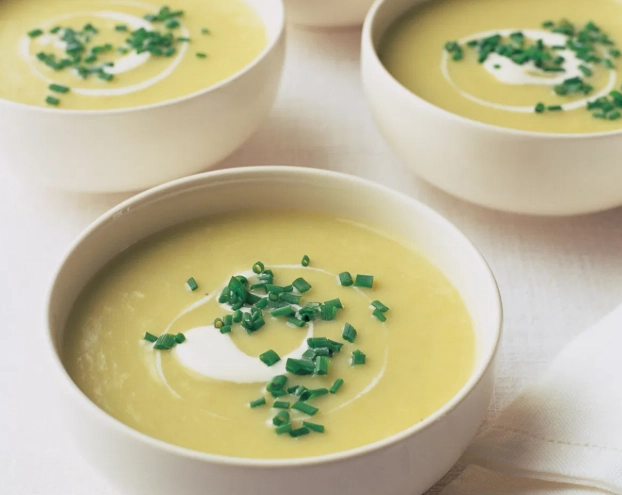
Texture & Flavor Troubleshooting: Fixing Common Soup Problems
We've all been there. The soup is done, but something's... off. Don't worry. Almost every potato onion soup problem has a simple fix.
| Problem | Likely Cause | How to Fix It |
|---|---|---|
| Soup is too thin / watery | Not enough potato starch released, or potatoes were too waxy. | Simmer uncovered to reduce and concentrate flavors. Or, make a "slurry": mix 1 tbsp cornstarch with 2 tbsp cold water, stir into simmering soup, cook for 2 mins until thickened. Mash some potatoes against the pot side. |
| Soup is too thick / gluey | Too many starchy potatoes, or over-blended. | Simply whisk in more broth, water, or milk until it reaches your desired consistency. Easy fix. |
| Tastes bland / flat | Underseasoned. This is 95% of the time. | Add salt in 1/4 tsp increments, tasting after each. Acid is also a flavor brightener: a small squeeze of lemon juice or a tiny splash of white wine vinegar can work wonders. |
| Tastes bitter | Onions were burned (not caramelized) during cooking. | Unfortunately, this is hard to fix. You can try adding a pinch of sugar or a peeled, raw potato chunk to simmer for 10 mins (discard the potato), which can absorb some bitterness. Prevention is key: low and slow for onions. |
| Texture is grainy | Overcooked dairy (if added) or using a blender on very hot soup for too long can break down potatoes oddly. | If it's from dairy, it's a texture issue but safe to eat. For future, add dairy off heat and don't boil. For blending, let soup cool slightly or use pulse function. |
The U.S. Food and Drug Administration (FDA) provides general guidelines on safe food handling, which is always good to keep in mind, especially when storing leftovers. Speaking of which...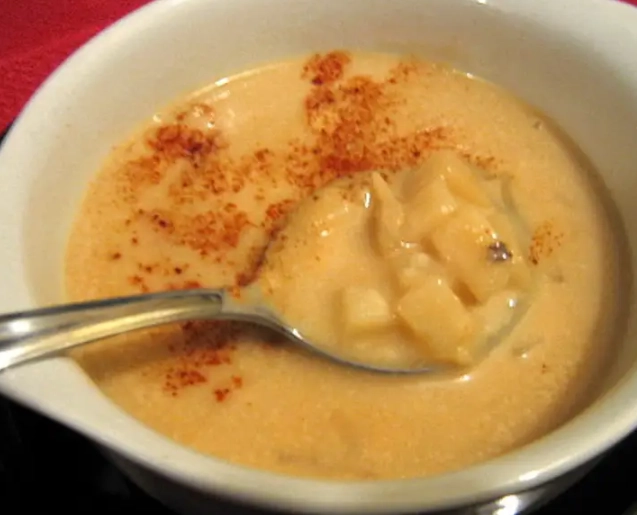
Making It Ahead & Storing Your Masterpiece
One of the best things about potato onion soup? It tastes even better the next day. The flavors have more time to marry and deepen.
Storing: Let the soup cool completely at room temperature (don't leave it out for more than 2 hours). Transfer it to airtight containers. It will keep in the refrigerator for 4-5 days.
Freezing: This soup freezes beautifully, especially if you haven't added dairy. Portion it into freezer-safe containers or bags, leaving some space for expansion. It will keep for 2-3 months. Thaw overnight in the fridge.
Reheating: Gently warm it on the stovetop over medium-low heat, stirring occasionally. If it's thickened in the fridge, add a splash of water or broth to loosen it up. If you've frozen it, you might notice some separation after thawing—just give it a good stir or a quick whiz with the immersion blender to re-emulsify.
My Favorite Leftover Hack: Soup for Breakfast?
Hear me out. Reheat a bowl of leftover potato onion soup. Crack a fresh egg right into the hot soup and let it poach gently for a few minutes until the white is set but the yolk is still runny. The rich yolk mixing into the savory soup is an absolutely divine breakfast or lunch. Try it once.
Answers to Your Potato Onion Soup Questions (FAQ)
I get asked these all the time. Let's clear them up.
Final Thoughts: Embrace the Simplicity
In a world of complicated recipes and endless food trends, there's something profoundly grounding about making a pot of potato onion soup. It connects you to generations of cooks who made do with what they had and created something wonderful.
It teaches you patience (those onions won't caramelize themselves). It teaches you how to layer flavors. It rewards attention but forgives mistakes. Most importantly, it reliably delivers a bowl of pure, uncomplicated comfort.
So next time you see a bag of onions and a few potatoes sitting in your kitchen, don't just see ingredients. See possibility. See an easy, rewarding dinner that will make your home smell amazing and leave everyone at the table satisfied. That's the real magic of this humble dish.
Now go make some soup. You've got this.
Reader Comments