Quick Guide
- What Makes a Chicken Casserole "Healthy" Anyway?
- Your Healthy Casserole Pantry: The Essential Ingredients
- Top Healthy Chicken Casserole Recipes You Need to Try
- Mastering the Method: Tips for Casserole Success
- Your Healthy Casserole Questions, Answered
- Taking It Further: Customization & Leftover Magic
Let's be honest for a second. When you hear "casserole," you probably picture something creamy, cheesy, and maybe a bit... heavy. The kind of dish that leaves you wanting a nap on the couch rather than feeling energized. I used to think the same way. For years, I avoided casseroles, convinced they were a nutritional dead end reserved for potlucks and guilty pleasures.
But then I had a revelation. It happened on a hectic Tuesday. The kids were hungry, I was tired, and the thought of chopping, sautéing, and managing multiple pans felt impossible. I needed a one-pan wonder. I started digging into the concept of a healthy chicken casserole. Was it even possible? Or just a food blogger's fantasy?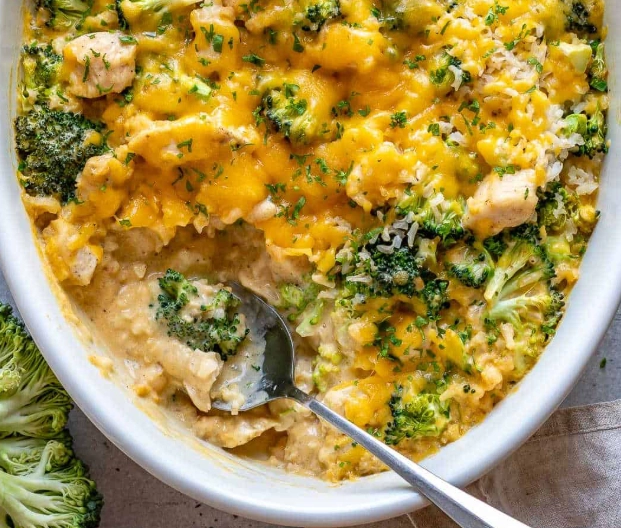
Turns out, it's not only possible, it's a game-changer. The classic chicken casserole doesn't have to be a calorie bomb loaded with canned soup and processed cheese. By rethinking the building blocks, you can create a dish that's comforting, deeply satisfying, and actually good for you. This guide is everything I wish I had found when I started. We'll break down the myths, explore the core principles, and give you real, actionable recipes and tips. We're talking about healthy chicken casserole recipes that you'll be excited to make on a regular weeknight.
What Makes a Chicken Casserole "Healthy" Anyway?
This is the first question we need to tackle. "Healthy" can mean a million different things, right? For our purposes, we're aiming for casseroles that are nutrient-dense, balanced, and support your energy levels. They shouldn't leave you feeling sluggish.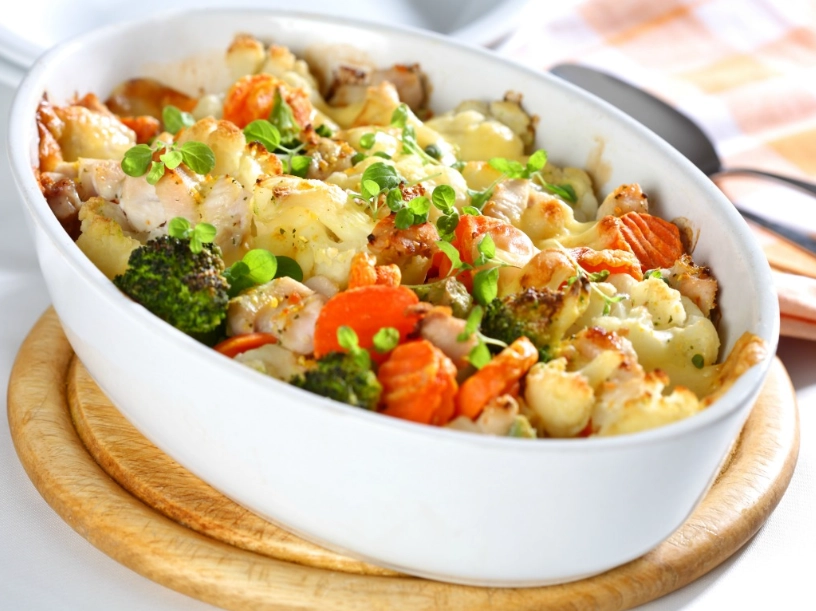
It's not about diet food. It's about better-for-you food.
The core idea is to maximize the good stuff—lean protein, colorful vegetables, whole grains or smart starches—and minimize the empty calories from excessive refined carbs, heavy creams, and processed ingredients. Think of it as an upgrade, not a punishment.
The Four Pillars of a Nutritious Casserole
Every great healthy chicken casserole recipe is built on these principles. Get these right, and you're 90% of the way there.
- The Protein: Skinless chicken breast or thigh is the star. Thighs have a bit more fat, but also more flavor and tenderness, which can be worth the trade-off. Always trim visible fat. Consider other proteins too, like turkey or even chickpeas for a twist, but chicken is our focus here.
- The Veggie Load-Up: This is where the magic happens. The goal is to increase volume and nutrients without adding many calories. We're talking broccoli florets, spinach, bell peppers, mushrooms, zucchini, onions, and carrots. They add color, texture, vitamins, and fiber.
- The Smart Sauce/Binding Agent: This is the biggest area for a healthy makeover. Instead of a can of condensed cream of mushroom soup (often high in sodium and preservatives), we make our own sauce. Bases can include low-sodium chicken broth, plain Greek yogurt, low-fat milk thickened with a bit of whole-wheat flour, or pureed vegetables like cauliflower.
- The Topping & Structure: Swap out the traditional buttery breadcrumb or fried onion topping for alternatives like whole-wheat panko tossed with a tiny bit of olive oil, crushed whole-grain crackers, a sprinkle of nuts or seeds for crunch, or a modest amount of real, flavorful cheese used strategically.
Your Healthy Casserole Pantry: The Essential Ingredients
Having a few key items on hand makes whipping up a healthy chicken casserole a breeze. I've organized them by category so you can see what you might need to stock up on.
| Category | Recommended Ingredients | Why They're Great | Easy Swap For... |
|---|---|---|---|
| Protein Base | Boneless, skinless chicken breasts or thighs; Cooked shredded chicken (rotisserie works in a pinch) | Lean, versatile, family-friendly. Thighs are more forgiving if overcooked. | Canned cream-based soups, processed chicken pieces. |
| Veggie Arsenal | Fresh or frozen broccoli, spinach, bell peppers, mushrooms; Onions, garlic; Frozen mixed vegetables (no sauce) | Add fiber, vitamins, and bulk without many calories. Frozen is just as nutritious and saves time. | Starchy fillers like extra pasta or white rice. |
| Sauce & Binding | Plain non-fat or low-fat Greek yogurt; Low-sodium chicken or vegetable broth; Whole wheat or all-purpose flour; Cornstarch; Dijon mustard; Nutritional yeast (for cheesy flavor) | Greek yogurt adds creaminess and protein. Broth is a low-cal flavor base. Flour/cornstarch thicken without cream. | Canned condensed soups, heavy cream, full-fat sour cream. |
| Flavor Boosters | Fresh herbs (thyme, rosemary, parsley); Spices (paprika, garlic powder, onion powder); Low-sodium soy sauce or tamari; Lemon juice; Good-quality grated Parmesan | Build deep flavor without relying on salt and fat. Parmesan packs a punch so you use less. | Pre-made seasoning packets (high in sodium), excessive table salt. |
| Toppings & Texture | Whole wheat panko breadcrumbs; Crushed whole-grain crackers (like Wheat Thins); Sliced almonds or chopped pecans; A small amount of sharp cheddar or part-skim mozzarella | Adds the crucial crispy/cheesy finish with more fiber and nutrients than traditional toppings. | French fried onions, butter-soaked white breadcrumbs. |
See? It's not a weird, restrictive list. It's mostly about choosing the better option within a common category. The U.S. Department of Agriculture's MyPlate guidelines are a great visual reference for building a balanced plate, and a casserole is just that—all the components of a plate baked together in one dish.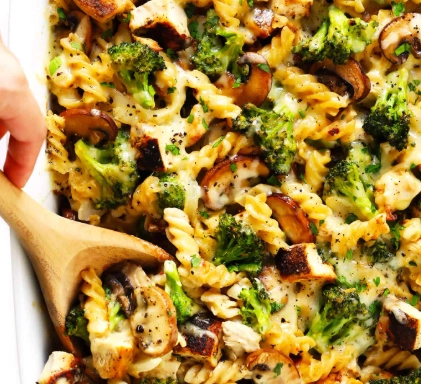
Top Healthy Chicken Casserole Recipes You Need to Try
Okay, theory is great, but let's get to the practical part. Here are some foundational healthy chicken casserole recipes that cover different flavor profiles and styles. I've included my personal tweaks and notes on each.
The Classic, Lightened Up: Herbed Chicken & Brown Rice Casserole
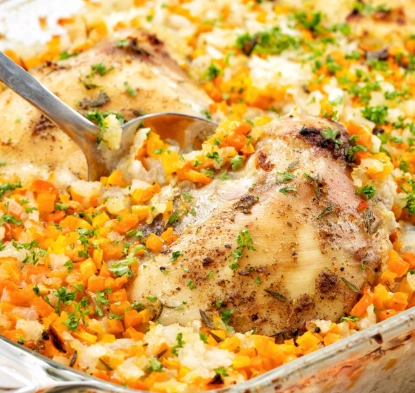
This is your go-to, the one that tastes like home but won't weigh you down. It uses brown rice for whole grains and a yogurt-based sauce that's surprisingly creamy.
Why it works: The brown rice absorbs the flavorful cooking liquid and becomes perfectly tender. Using a mix of fresh herbs like dill and parsley makes it taste bright, not dull. I often add a bag of frozen peas and carrots right at the end for extra color and veg.
My personal spin: I like to use chicken thighs here. They stay juicier nestled in the rice during the long bake. If you use breasts, cut them into smaller chunks so they don't dry out.
The key healthy swap: A combination of low-sodium chicken broth and plain Greek yogurt creates the sauce. A little whole-wheat flour helps thicken it. You honestly won't miss the canned soup.
The Creamy Dream (Without the Guilt): Skinny Chicken & Broccoli Alfredo Bake
Craving that rich, cheesy, pasta-bake feeling? This one is a crowd-pleaser. The sauce is a revelation—it's creamy, garlicky, and clings to every piece of whole-wheat pasta.
How it's done: The "Alfredo" sauce is made by blending steamed cauliflower with low-fat milk, garlic, and a good amount of Parmesan cheese. Yes, cauliflower. Before you scoff, hear me out. When pureed, it becomes velvety and neutral, acting as a perfect vehicle for the cheesy, garlicky flavor. The Nutrition.gov site on healthy eating emphasizes incorporating vegetables in creative ways, and this is a textbook example.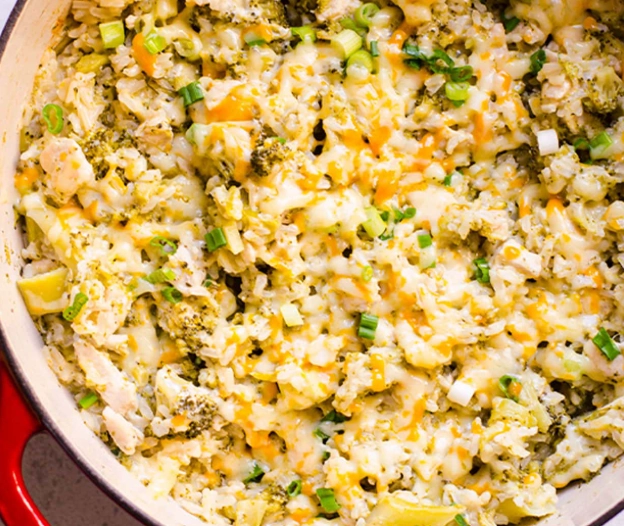
The Flavor Bomb: Mediterranean Chicken Quinoa Casserole
This is for when you want something that feels vibrant and fresh. It's packed with color and relies on herbs, lemon, and briny olives for flavor instead of a heavy sauce.
The breakdown: Cooked quinoa forms the base. You toss it with diced chicken (pre-cooked or quickly sautéed), cherry tomatoes, spinach, Kalamata olives, red onion, and crumbled feta cheese. The "sauce" is just a simple dressing of lemon juice, olive oil, oregano, and garlic whisked together. Bake it just until everything is heated through and the flavors meld.
It's more of a warm, baked salad than a traditional casserole, and that's a good thing.
This is one of my favorite healthy chicken casserole recipes for meal prep. It holds up beautifully in the fridge and tastes great cold or at room temperature, making it perfect for lunches.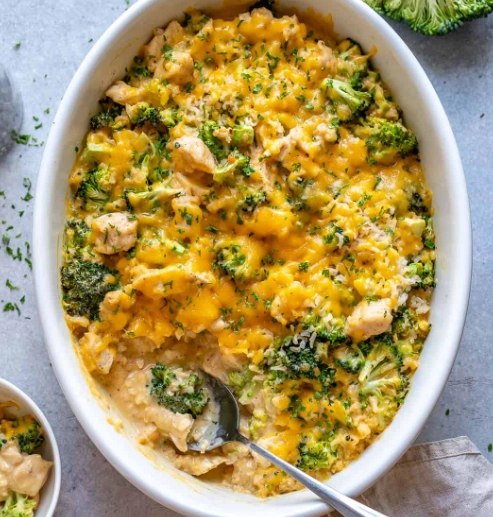
Mastering the Method: Tips for Casserole Success
Knowing the recipes is one thing. Knowing how to execute them flawlessly is another. Here are the hard-won lessons from my kitchen (and my failures).
- Don't Skip the Sauté: Even if you're baking everything, take 10 minutes to sauté your onions, garlic, and mushrooms on the stovetop first. This step, called "sweating," caramelizes their natural sugars and builds a foundational flavor you can't get from raw veggies baked in liquid. It's the difference between a good casserole and a great one.
- Pre-cook Your Pasta or Grains: For pasta or rice-based casseroles, always cook them to just shy of al dente. They will continue to absorb liquid and cook in the oven. If you add them fully cooked, you risk a mushy final product.
- The Uniformity Rule: Cut your chicken and vegetables into similar-sized pieces. This ensures everything cooks evenly. Nobody wants a bite of raw carrot next to a piece of overcooked chicken.
- Season in Layers: Season your chicken before cooking it. Season your vegetables while you sauté them. Season your sauce. Don't just dump all the salt and pepper on top at the end. Building flavor in stages makes every component taste good on its own.
- The Topping Timing: If you're using a breadcrumb or cheese topping that can burn, consider adding it during the last 10-15 minutes of baking. This gives it time to get golden and crispy without turning black.
Your Healthy Casserole Questions, Answered
I get a lot of questions from friends about this topic. Here are the most common ones, based on what people are actually searching for.
Can I make healthy chicken casserole recipes ahead of time?
Absolutely. In fact, they're ideal for make-ahead meals. You have two options: 1) Assemble the entire casserole, cover tightly, and refrigerate for up to 24 hours before baking. You may need to add 5-10 minutes to the baking time since it's going in cold. 2) Bake it fully, let it cool, portion it out, and refrigerate for 3-4 days or freeze for 2-3 months. Reheat in the oven or microwave until piping hot.
How do I keep the chicken from drying out?
This is the #1 fear. A few tricks: Use thighs instead of breasts (they're more forgiving). If using breasts, cut them into bite-sized pieces so they cook quickly and evenly within the sauce. Don't overcook it! Use a meat thermometer. Chicken is safe to eat at 165°F (74°C). Pull the casserole out when it hits that temp—the residual heat will carry it a bit further. Burying the chicken in sauce or broth also helps protect it.
Are frozen vegetables okay to use?
100% yes. Frozen vegetables are flash-frozen at peak freshness and are often just as nutritious as fresh, sometimes more so because they don't degrade during transport. They're a huge time-saver. No need to thaw for most casseroles—just add them in frozen. They'll cook perfectly in the oven's heat. The American Heart Association has great resources on incorporating fruits and veggies, and they endorse frozen as a healthy, convenient option.
My family is picky. How can I sneak in more veggies?
The stealth approach is your friend. Puree cooked cauliflower, butternut squash, or carrots into your sauce—they add creaminess and nutrients without a noticeable texture. Finely chop mushrooms and sauté them with onions until they almost disappear into the base. Use a box grater to shred zucchini or carrots and mix them into the filling. Start with small amounts and gradually increase. Often, they just blend right in with the other flavors.
What's a good low-carb option?
Instead of rice or pasta, use a vegetable as the base. Try a "chicken casserole" built on a layer of sliced zucchini, cauliflower rice (make sure to squeeze out moisture if using frozen), or even thin slices of eggplant. The cooking time will be less since you're not waiting for a grain to cook. A simple creamy chicken and mushroom mixture over cauliflower rice, topped with a little cheese, is incredibly satisfying.
Taking It Further: Customization & Leftover Magic
The beauty of a casserole is its flexibility. Once you master the basic formula—protein + veggies + smart sauce + topping—you can riff endlessly based on what's in your fridge.
Got leftover roasted vegetables? Toss them in.
Have some cooked quinoa from last night? Perfect base. A half-used jar of salsa? That's your sauce starter. Don't be a slave to the recipe. The best healthy chicken casserole recipes are often the ones you invent to avoid food waste.
And leftovers? They're often even better the next day as the flavors have more time to marry. Repurpose them by stuffing a baked sweet potato with leftover casserole, or wrapping a scoop in a whole-wheat tortilla for a quick lunch burrito.
So, there you have it. Ditching the heavy, old-school casserole for a lighter, brighter, veggie-packed version isn't just a dietary choice—it's a way to keep a beloved comfort food in your regular rotation without compromise. It's about feeling good after you eat, not just during. Start with one of the recipes above, apply the tips, and don't be afraid to make it your own. Your weeknight dinners are about to get a whole lot easier, and healthier.
Reader Comments