Explore the Guide
- Why Bother? The Real Benefits of a Meal Plan
- Your First Meal Plan: A No-Stress, Step-by-Step Guide
- Beyond Basics: Different Meal Plan Styles for Different Lives
- Common Meal Planning Pitfalls (And How to Dodge Them)
- Tools & Tech: Can an App Really Help?
- Answering Your Meal Planning Questions
- Making It Stick: The Long-Game Meal Plan
Let's be honest. The daily "what's for dinner?" question can be a genuine source of stress. You're tired after work, the fridge is a chaotic mix of half-used ingredients, and the temptation to just order takeout is real. I've been there more times than I care to admit. That cycle of last-minute decisions, wasted food, and feeling like you're not eating as well as you could is exhausting. But what if there was a system? A simple, flexible way to take back control of your kitchen, your health, and your wallet.
That system is meal planning. And no, it's not just for bodybuilders or Instagram influencers with perfectly color-coded fridge containers. A practical meal plan is for anyone who wants to eat better without the mental gymnastics. It's the single most effective habit I've adopted for my health and sanity. This guide isn't about creating a rigid, joyless chore list. It's about building a framework that gives you freedom, saves you money, and makes healthy eating the easy default.
Why Bother? The Real Benefits of a Meal Plan
People think meal planning is about restriction. I think they've got it backwards. It's about liberation. When you have a plan, you're freed from the 5 PM panic. The benefits stack up fast, and they go way beyond just food.
Time & Mental Energy: This is the big one for me. Deciding what to eat is a cognitive drain. By making those decisions once (say, on a Sunday afternoon), you reclaim hours and mental bandwidth during the week. No more staring blankly into the pantry.
Financial Savings: This isn't a maybe; it's a guarantee. A solid meal plan is your best defense against impulse buys at the grocery store and expensive, last-minute takeout. You buy what you need, use what you buy. I've easily cut my grocery bill by 20-25% since I got serious about planning.
Healthier Choices: When you're hungry and have no plan, you grab whatever is fastest, which is rarely the most nutritious option. A meal plan lets you intentionally include more vegetables, lean proteins, and whole grains. You're making choices from a place of calm, not hunger-driven desperation.
Reduced Food Waste: How often have you thrown out wilted greens or forgotten leftovers? Planning means you purposefully use ingredients across multiple meals, so less ends up in the trash. Good for your conscience and your wallet.
Dietary Goal Support: Whether you're managing a health condition, trying to lose weight, or training for an event, a meal plan is your roadmap. It ensures your daily intake aligns with your goals, taking the guesswork out of nutrition.
Still sound like a lot of work? It can feel that way at the start. But the initial time investment pays off tenfold during the week. It's a classic case of short-term effort for long-term ease.
Your First Meal Plan: A No-Stress, Step-by-Step Guide
Ready to try? Don't overcomplicate it. Start with just dinners for one week. That's it. Here's a dead-simple process that actually works.
Step 1: The Brain Dump & Calendar Check
Grab a piece of paper or open a notes app. Look at your week ahead. Got a late meeting on Tuesday? Plan for a 20-minute meal or leftovers. Going out Friday? Don't plan a meal for that night. Be realistic. There's no prize for planning seven elaborate meals if you'll only cook four.
Step 2: Choose Your Recipes
Now, for each night you're cooking, pick a recipe. This is where people get stuck. My strategy? Use a simple rotation to avoid decision fatigue.
- Theme Nights: Taco Tuesday, Pasta Wednesday, Stir-Fry Thursday. Themes give you a starting point.
- The Balance Formula: Aim for each meal to have: 1) A protein source (chicken, fish, beans, tofu), 2) A veggie (or two!), 3) A smart carb (brown rice, quinoa, sweet potato).
- Cook Once, Eat Twice: Plan to make extra of a protein (like a big batch of roasted chicken or chili) and repurpose it into a different meal later in the week.
Don't feel like you need to find brand-new, complicated recipes every week. Have a roster of 10-15 tried-and-true, easy meals you can cycle through. I rely heavily on sheet-pan dinners and one-pot meals because cleanup is minimal.
Step 3: Build Your Shopping List
This is the magic step that saves money. Go through each chosen recipe and write down every ingredient you need. Now, open your fridge and pantry. Cross off anything you already have. This simple act stops you from buying your third jar of cumin.
Organize your list by grocery store sections (produce, dairy, meat, pantry). It makes the actual shopping trip faster and prevents zig-zagging across the store.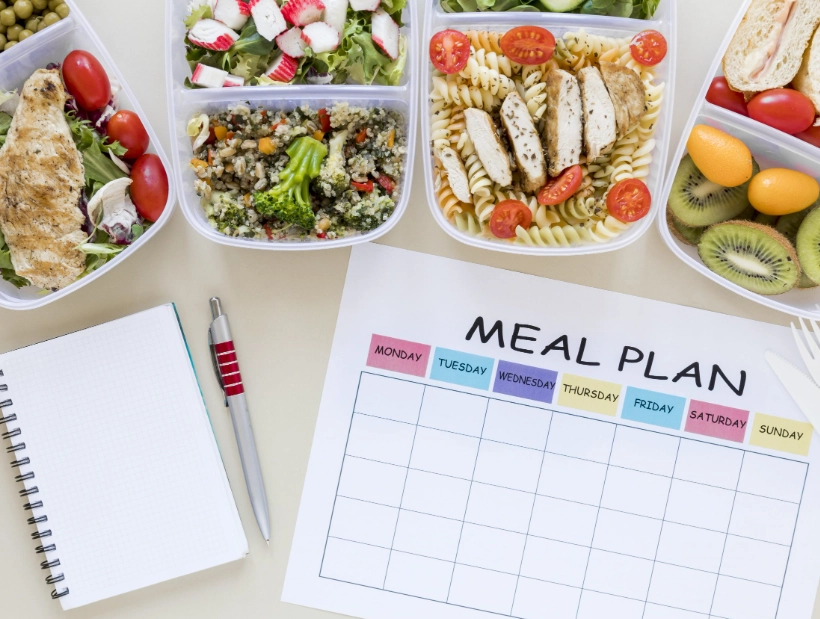
My Personal Fail: I used to shop without a list, thinking I could remember what I needed. I was always wrong. I'd come home missing a crucial ingredient for Tuesday's meal, forcing an extra trip to the store. The list is non-negotiable.
Step 4: The Strategic Shop & Prep
Stick to your list at the store. Really. When you get home, a little prep can make your weeknights smooth. This doesn't mean you have to spend 4 hours on Sunday prepping every single meal (a concept I find overwhelming).
Instead, do what I call "strategic prep":
- Wash and chop vegetables for the next 2-3 days.
- Cook a big batch of a grain like rice or quinoa.
- Marinate proteins for the first couple of meals.
Even 30 minutes of this kind of prep makes weekday cooking feel like less of a mountain to climb.
Beyond Basics: Different Meal Plan Styles for Different Lives
Not everyone's life looks the same, so your meal plan shouldn't either. The rigid Sunday-prep-for-the-whole-week model isn't the only way. Here’s a look at different approaches.
| Style | How It Works | Best For... | The Downside |
|---|---|---|---|
| The Traditional Weekly Planner | Plan a full week of meals, shop once, prep on Sunday. | People with consistent weekly schedules, families, those on a tight budget. | Requires a big upfront time block. Less flexibility if plans change. |
| The Flexible "Ingredient-Based" Plan | Plan around key ingredients (e.g., ground turkey, bell peppers, spinach) and mix/match meals. | People who dislike strict recipes, cooks who like improvisation, smaller households. | Requires more cooking skill/spontaneity. Can be harder for beginners. |
| The Batch & Freeze Master | Cook large batches of 2-3 freezer-friendly meals (soups, stews, casseroles) monthly. | Extremely busy people, small families wanting variety, those preparing for a busy season. | Requires a large freezer and initial cooking marathon. Texture of some foods can change. |
| The "Dinner Only" Plan | Only plan and prep dinners. Keep breakfasts and lunches simple/repetitive. | Beginners, singles/couples, anyone overwhelmed by planning every single meal. | Lunch decisions might still be last-minute. May not support complex dietary goals. |
I personally hybridize. I'm mostly a weekly planner, but I leave two dinners as "ingredient-based" nights where I'll use up whatever veggies are left. It keeps things from feeling too repetitive.
The best meal plan is the one you'll actually stick to.
Common Meal Planning Pitfalls (And How to Dodge Them)
We've all hit these roadblocks. Knowing they're coming is half the battle.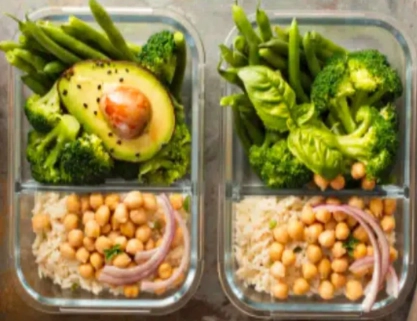
Pitfall #1: Over-ambition. Planning seven brand-new, gourmet recipes is a recipe for burnout. Start simple. Include at least one or two "no-brainer" meals you could make in your sleep.
Pitfall #2: No contingency plan. What if you get sick? What if you have to work late? This is why that "flex night" and a couple of frozen back-up meals (a good frozen pizza or a freezer meal you batch-cooked) are essential. Your meal plan should serve you, not chain you.
Pitfall #3: Forgetting lunch. If you work outside the home, planning dinners but not lunches often leads to buying expensive, less healthy lunches. The easiest fix? Cook extra dinner. Purposefully make 4 servings of a dinner that travels well, and pack the 4th serving for lunch. It takes zero extra effort.
Pitfall #4: Ignoring family preferences. If you're cooking for others, get their input. Let each person pick a meal for the week. It increases buy-in and reduces complaints. My partner gets to choose our Friday night meal, which is usually something fun and a bit more involved.
Tools & Tech: Can an App Really Help?
You can plan with a notebook and pen. It works perfectly. But if you're tech-inclined, some apps can streamline the process. They're helpful, but not mandatory. I've tried a bunch.
Recipe Discovery & Saving: Pinterest is the classic, but I find it chaotic. I prefer using a dedicated app like Paprika (my personal favorite) or even just a folder in your browser's bookmarks. The key is having one central place to save recipes you want to try, instead of them being scattered across emails, Instagram saves, and random bookmarks.
All-in-One Meal Planners: Apps like Plan to Eat or Mealime let you drag and drop recipes onto a calendar and auto-generate a shopping list. They're powerful. But I find they can sometimes add a layer of complexity for beginners. They're worth a free trial if the manual process feels clunky to you.
The Simple Digital Solution: A shared note in Apple Notes, Google Keep, or a simple spreadsheet with your partner or family. This is what my household used for years before I switched to Paprika. It's free, accessible to everyone, and gets the job done.
Honestly? The tool matters less than the consistency of using it. Pick the lowest-friction method for you.
Answering Your Meal Planning Questions
How do I create a meal plan on a tight budget?
This is where meal planning shines. First, plan your meals around sales flyers. Check what's on sale at your local store (most publish flyers online) and build your plan from those items. Second, embrace plant-based proteins like lentils, beans, and tofu—they're almost always cheaper than meat. Third, use frozen vegetables. They're just as nutritious, often cheaper, and you can use exactly what you need with no waste. The USDA's MyPlate Healthy Eating on a Budget guide has excellent, practical tips for stretching your food dollars.
I get bored eating the same thing. How do I add variety?
You don't have to eat the same thing! Use a "component" approach. Cook a batch of a versatile base (like shredded chicken, black beans, roasted veggies) and use it in different ways throughout the week. Monday: Chicken tacos. Wednesday: Chicken salad. Friday: Chicken pasta. Same protein, totally different meals. Also, experiment with global spices and sauces. A simple bowl of rice and beans feels completely different with a Mexican salsa versus an Indian curry sauce.
How can I make a healthy meal plan that actually helps with weight management?
Focus on structure and portions, not just cutting things out. A healthy meal plan for weight management ensures you have balanced, satisfying meals at regular intervals to prevent extreme hunger. Use a tool like the Harvard Healthy Eating Plate as a visual guide: fill half your plate with vegetables and fruits, a quarter with lean protein, and a quarter with whole grains. Planning your snacks (like an apple with almond butter) is also crucial to avoid vending machine runs. Remember, the goal of the meal plan is to nourish you and keep you full, not to starve you.
I hate cooking. Is meal planning still for me?
Absolutely. In fact, it might help you hate it less. A good meal plan for a reluctant cook focuses on minimal effort and maximum simplicity. Think 5-ingredient recipes, heavy use of pre-chopped veggies (no shame in the bagged salad or pre-cut stir-fry mix game), and appliances that do the work—slow cookers, Instant Pots, and toaster ovens are your best friends. Your meal plan might include a "no-cook" night with a hearty salad and canned tuna, or a "heat-and-eat" night using a high-quality frozen meal from the grocery store. The point is to make the process as painless as possible.
How do I handle dietary restrictions (gluten-free, dairy-free, etc.) in my plan?
Meal planning is a superpower for managing dietary restrictions. It prevents the anxiety of not knowing what you can eat. Start by finding a handful of trusted blogs or recipe websites that specialize in your dietary need—their recipes are already vetted. When building your shopping list, you'll become an expert at reading labels in one focused session, rather than doing it stressed at dinnertime every night. Planning also makes it easier to communicate your needs if you're cooking for a family—everyone can see the plan and know what to expect.
Making It Stick: The Long-Game Meal Plan
Starting a meal plan is one thing. Keeping it going is another. Here's how to make it a sustainable habit, not a passing fad.
Start Small, Then Scale. I can't stress this enough. Don't try to plan breakfast, lunch, dinner, and snacks for a family of four on your first go. Start with planning just 3 dinners for the upcoming week. Master that process. Once that feels easy, add in lunches. Then maybe breakfasts. Slow growth prevents burnout.
Schedule Your Planning Session. Put a 30-minute block on your calendar each week. Sunday afternoon? Thursday evening? Pick a time that usually works for you and treat it as a non-negotiable appointment with yourself. This routine is what turns it from a "maybe" into a "just what I do."
Create a Master Recipe List. As you find recipes you love, add them to a master list categorized by type (Quick Weeknight, Slow Cooker, Meatless, etc.). On weeks when you're uninspired or short on time, you can just pick from this list instead of searching the entire internet. This document becomes your greatest asset.
Be Kind to Yourself. Some weeks, your meal plan will be beautiful and you'll follow it perfectly. Other weeks, life will blow it up by Tuesday. That's okay. The plan is a tool, not a test. Toss it out, order a pizza, and start fresh next week. The goal is progress, not perfection.
The journey to a better way of eating starts with a single plan. What's on yours this week?
Reader Comments