Your Quick Recipe Guide
- Why This Squash Spaghetti Recipe Actually Works for Real Life
- Gathering Your Squad: The Ingredients Breakdown
- The Step-by-Step: No Fuss, Just Flavor
- Choosing Your Squash: It’s Not Just Butternut
- Answering Your Squash Spaghetti Questions (FAQ)
- Taking Your Squash Pasta to the Next Level
- The Final Stir: Why This Recipe Sticks
Let’s be honest. Sometimes you see a recipe title like “creamy spaghetti with squash” and you picture a lot of fuss. Roasting, blending, worrying about the sauce splitting… it can feel like a project. I used to think that too. But then I had a bunch of butternut squash sitting on my counter, staring at me, and a serious craving for pasta. What happened next became my favorite fall and winter dinner—a spaghetti with squash recipe that’s stupidly simple, surprisingly creamy without a ton of cream, and honestly, kind of brilliant.
This isn’t about making a fancy restaurant plate. It’s about getting a deeply satisfying, hug-in-a-bowl meal on the table without wanting to pull your hair out. The magic is in how the squash breaks down into a silky sauce that clings to every strand of pasta. You get sweetness from the squash, savoriness from garlic and cheese, and that perfect al dente bite from the spaghetti. It just works.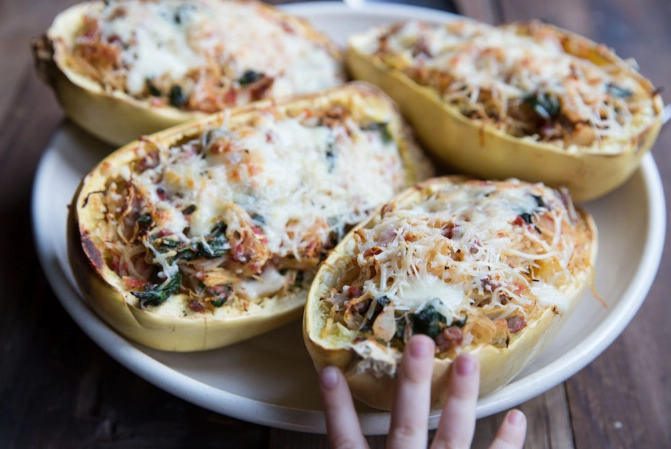
Why This Squash Spaghetti Recipe Actually Works for Real Life
You might be wondering why bother with squash when you could just open a jar of marinara. Fair question. For me, it comes down to three things: texture, taste, and it makes me feel good after eating it.
The texture is everything. A good spaghetti squash recipe (and here I mean the vegetable, not the pasta-alternative squash) creates a sauce that’s velvety. It’s not heavy like an alfredo, but it’s far more substantial than a simple olive oil toss. It coats the pasta completely.
Then there’s the taste. Butternut squash has a natural, gentle sweetness that caramelizes when you roast it. When you pair that with the sharpness of good Parmesan and the kick of black pepper, it creates a complex flavor that’s comforting but not boring. It’s a nice change from the usual tomato-based sauces.
And yeah, it’s a vegetable-packed meal. According to the USDA FoodData Central, butternut squash is a great source of vitamin A, vitamin C, and fiber. You’re eating a big serving of veg without it feeling like a “health food” sacrifice. It’s a win-win dinner.
Gathering Your Squad: The Ingredients Breakdown
This is where we get into the nuts and bolts. The ingredient list is short, which is a beautiful thing. But each one plays a specific role, so let’s talk about them.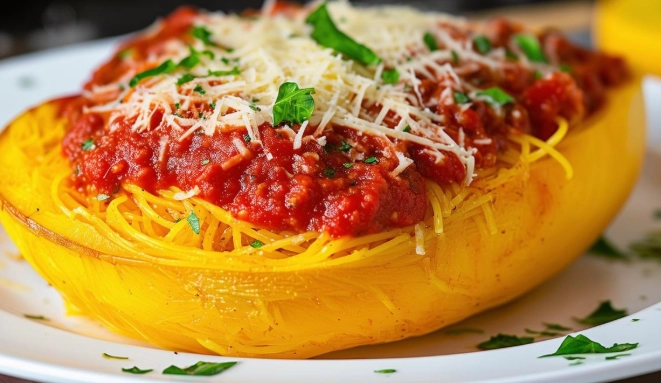
The Non-Negotiables
You can’t make this spaghetti with squash recipe without these. They form the foundation.
- Butternut Squash: About 1 small to medium one (you’ll need roughly 3 cups of cubed squash). Look for one that feels heavy for its size with a firm, matte skin. The neck part is easier to peel and cube than the bulbous bottom.
- Spaghetti: The classic long pasta. I use about 12 ounces (340g). Its surface is perfect for holding onto the creamy sauce. Don’t use angel hair—it’s too delicate.
- Garlic: Fresh is best. I use 3-4 cloves, minced. It gets cooked gently so it perfumes the oil without burning.
- Shallot or Onion: One shallot or a small yellow onion, finely chopped. This adds a necessary savory base note.
- Good Parmesan Cheese: Get a block and grate it yourself. The pre-grated stuff often has anti-caking agents that can make your sauce grainy. You’ll need about 1 cup, loosely packed.
- Broth: Vegetable or chicken broth, about 1 to 1.5 cups. This is your sauce-thinner and flavor-booster. Low-sodium is best so you can control the salt.
The Flavor Boosters & Swaps
This is where you can make the recipe your own. These add layers.
- Fresh Sage or Thyme: Sage is classic with squash. A few leaves, fried briefly in the oil at the start, are incredible. Thyme is a more subtle, earthy alternative.
- Heavy Cream or Mascarpone: Optional, but a splash (1/4 cup) of heavy cream or a big spoonful of mascarpone cheese adds an extra layer of richness. For a lighter version, you can skip it—the squash provides plenty of creaminess.
- Nutmeg: A tiny pinch, freshly grated if possible. It’s a secret weapon that subtly enhances the squash’s sweetness.
- Toasted Nuts: Chopped walnuts or pecans sprinkled on top add a fantastic crunch and toasty flavor.
The Step-by-Step: No Fuss, Just Flavor
Okay, let’s cook. I’ve broken this down into clear phases. Don’t rush the first part—getting the squash nicely roasted is key to the flavor.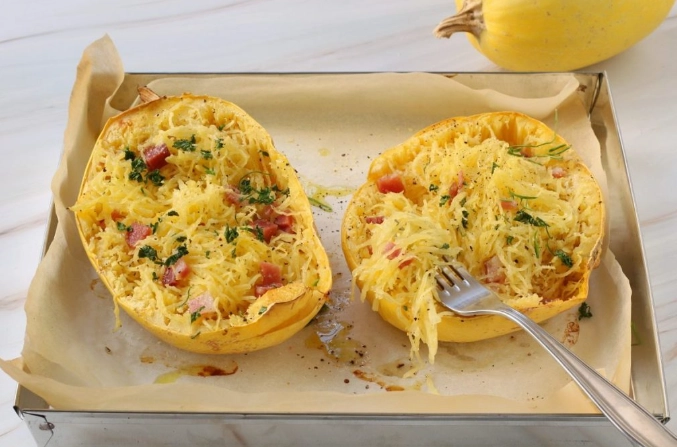
Phase 1: Roast the Squash
- Heat your oven to 400°F (200°C). Line a baking sheet with parchment for easy cleanup.
- Peel the squash, cut it in half, scoop out the seeds, and chop the flesh into 1-inch cubes. Toss them on the baking sheet with a good drizzle of olive oil, salt, and pepper. Get your hands in there to coat every piece.
- Roast for 25-35 minutes, giving them a shuffle halfway through. You want them fork-tender and starting to get caramelized spots on the edges. That caramelization equals flavor.
While that’s happening, you can get everything else ready. Boil your pasta water (salt it well!) and chop your aromatics.
Phase 2: Build the Sauce Base
- In a large skillet or Dutch oven (big enough to eventually hold all the pasta), heat a couple tablespoons of olive oil over medium heat.
- Add the chopped shallot/onion and cook until soft and translucent, about 5 minutes. Add the minced garlic (and fresh sage if using) and cook for just another minute until fragrant. Don’t let the garlic brown.
- Your squash should be done now. Add about two-thirds of the roasted squash cubes to the skillet. Reserve the rest for garnish later—it looks pretty and adds texture.
- Pour in about 1 cup of the broth. Using a potato masher or the back of a fork, mash the squash right in the pan until you get a rough, thick puree. It doesn’t need to be perfectly smooth. Let this simmer for 5-7 minutes to let the flavors meld and the sauce thicken a bit. This is the crucial “cooking down” step I mentioned earlier.
Phase 3: The Grand Pasta Union
- Cook your spaghetti in the salted boiling water until it’s just al dente (usually 1 minute less than the package says).
- Using tongs, transfer the cooked spaghetti directly from the pot into your skillet with the squash sauce. A little water clinging to it is good! This is way better than draining it completely in a colander.
- Add about half of your grated Parmesan cheese. If you’re using cream or mascarpone, add it now. Toss everything together vigorously. The sauce might seem thick at first.
- Here’s the magic: start adding splashes of your reserved pasta water, a little at a time, while continuing to toss. You’ll see the sauce transform—it will loosen up and become glossy, coating each strand perfectly. You might not need all the water. Stop when the sauce looks creamy and moves easily.
- Season aggressively with salt and black pepper. Taste it! Does it need more cheese? A pinch more salt? Adjust now.
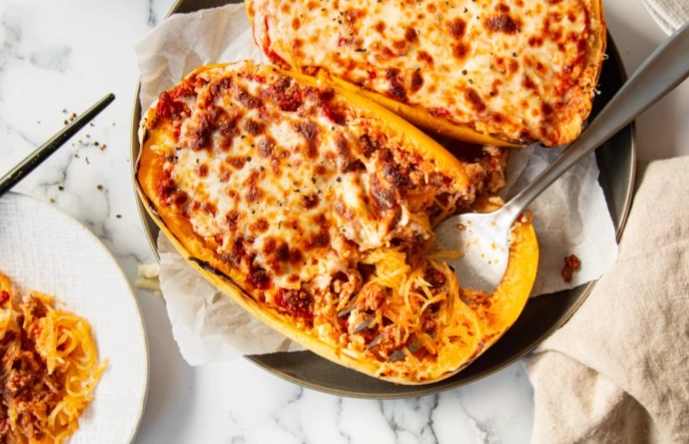
And that’s it. Seriously.
Serve it up in bowls, topped with the remaining roasted squash cubes, more Parmesan, a drizzle of good olive oil, and maybe those toasted nuts. It’s a complete, beautiful meal.
Choosing Your Squash: It’s Not Just Butternut
Butternut is the classic for a reason—sweet, smooth, and widely available. But your spaghetti with squash recipe can be a playground. Different squashes bring different personalities to the dish. Here’s a quick guide:
| Squash Type | Flavor Profile | Best For... | Prep Note |
|---|---|---|---|
| Butternut | Sweet, nutty, smooth | The classic, family-friendly version. Always reliable. | Peel is tough, use a sharp peeler. Neck is easiest to cube. |
| Acorn Squash | Milder, slightly peppery | A less sweet, more earthy take. Beautiful orange color. | Skin can be tender enough to eat after roasting, but peeling is safer for a smooth sauce. |
| Delicata Squash | Sweet, with a hint of corn or brown sugar | The lazy cook’s dream. Skin is edible! | Just slice into half-moons (seeds removed), roast, and blend. No peeling needed. |
| Kabocha Squash | Intensely sweet, dense, and starchy (like a sweet potato) | A super creamy, rich, and vibrant orange sauce. | Skin is very hard. Roast halves first, then scoop out flesh. |
| Carnival or Sweet Dumpling | Sweet and moist | Small, single-serving sizes. Fun for individual portions. | Roast whole or halved, then scoop. |
I tried making this with delicata once because I didn’t feel like peeling. It worked great, but the sauce had a slightly more textured, rustic feel because of the soft skin. I didn’t mind it at all—added character. But if you want that velvety-smooth restaurant-style sauce, peeled butternut or kabocha is your best bet.
Answering Your Squash Spaghetti Questions (FAQ)
I get it. Questions pop up. Here are the ones I had, and the ones friends ask me most when I share this creamy squash pasta recipe.
Can I make this spaghetti with squash recipe ahead of time?
You can prep components. Roast the squash and store it in the fridge for up to 3 days. Make the sauce base (through the mashing step) and refrigerate it. When ready to eat, reheat the sauce gently, cook fresh pasta, and combine. The pasta itself doesn’t hold well overnight—it absorbs the sauce and gets mushy. Fresh is best here.
My sauce turned out watery. What did I do wrong?
Two likely culprits. First, the squash might have had a higher water content (some varieties do). Second, you might not have cooked the mashed squash mixture long enough to evaporate some liquid. The fix next time: after mashing, let the sauce simmer and reduce for a few extra minutes until it looks thick. For now, mix in a little extra grated Parmesan off the heat—it will help thicken it.
Is this vegetarian? How do I make it vegan?
With vegetable broth and without the Parmesan, it’s vegan at the core! For vegan “cheesiness,” try these swaps: Use nutritional yeast (2-3 tablespoons) instead of Parmesan for a cheesy flavor. For creaminess, a splash of unsweetened plant-based cream (like oat or cashew) or a spoonful of vegan cream cheese works well. The squash is still the star.
Can I use frozen squash?
Yes, absolutely. A 12-ounce bag of frozen cubed butternut squash is a huge time-saver. No peeling, no chopping. Roast it straight from frozen (it may take a few extra minutes) or steam/boil it until tender. Just be sure to drain it very well if you boil it, as it can be extra watery.
What protein can I add?
This pasta is fantastic on its own, but it’s a great base. Try adding sautéed Italian sausage (removed from casing and crumbled), crispy pancetta or bacon bits, roasted chickpeas for a vegetarian protein, or even some simple grilled chicken slices on top. For a quick veggie boost, stir in a couple handfuls of fresh baby spinach right at the end—the residual heat will wilt it perfectly.
Taking Your Squash Pasta to the Next Level
Once you’ve mastered the basic formula, have some fun. Think of the spaghetti squash recipe (again, the dish, not the vegetable noodle) as a canvas.
- Brown Butter & Sage: Before building your sauce, brown a few tablespoons of butter in the pan. Add fresh sage leaves until crisp. Remove the sage for garnish and use the fragrant brown butter as your base fat. Game changer.
- Spice It Up: Add a pinch of red pepper flakes with the garlic for a gentle heat. A teaspoon of smoked paprika blended into the sauce adds a warm, smoky depth.
- Different Cheese: Swap half the Parmesan for sharp Pecorino Romano for a saltier, tangier kick. Or stir in a handful of creamy Gorgonzola or goat cheese at the end for a funky twist.
- Herb Finish: Don’t just cook with herbs, finish with them. A big handful of chopped fresh parsley, chives, or even basil stirred in right before serving adds a burst of freshness that cuts the richness beautifully.
I’m a purist most of the time, but the brown butter version is something special for when you want to impress someone. It tastes like a fancy restaurant pasta, but you made it in your own kitchen.
The Final Stir: Why This Recipe Sticks
In the end, this spaghetti with squash recipe has earned a permanent spot in my rotation because it delivers on every promise. It feels indulgent but isn’t a gut bomb. It’s packed with vegetables but tastes like comfort food. It looks impressive but is built on simple, logical steps.
It’s the kind of meal that solves the “what’s for dinner” dilemma on a chilly evening. It’s great for just you, perfect for a family, and impressive enough for casual guests. You get to eat a big bowl of gorgeous, creamy pasta and feel good about it. That’s a rare and beautiful thing in the world of weeknight cooking.
So grab a squash, put on some music, and give it a try. Don’t stress about making it perfect. Even if your sauce is a little too thick or a little too thin the first time, you’ll still end up with a delicious, homemade meal. And you’ll know exactly how to tweak it next time. That’s what cooking is all about, isn’t it?
Reader Comments