Let's cut to the chase: stove top chicken is the unsung hero of weeknight dinners. It's faster than baking, more controlled than grilling, and when done right, delivers crispy skin and tender meat every time. I've cooked chicken on the stove for years, and I still mess up sometimes—like that time I used a cold pan and ended up with steamed, rubbery chicken. But learn from my mistakes, and you'll have a foolproof meal in under 30 minutes.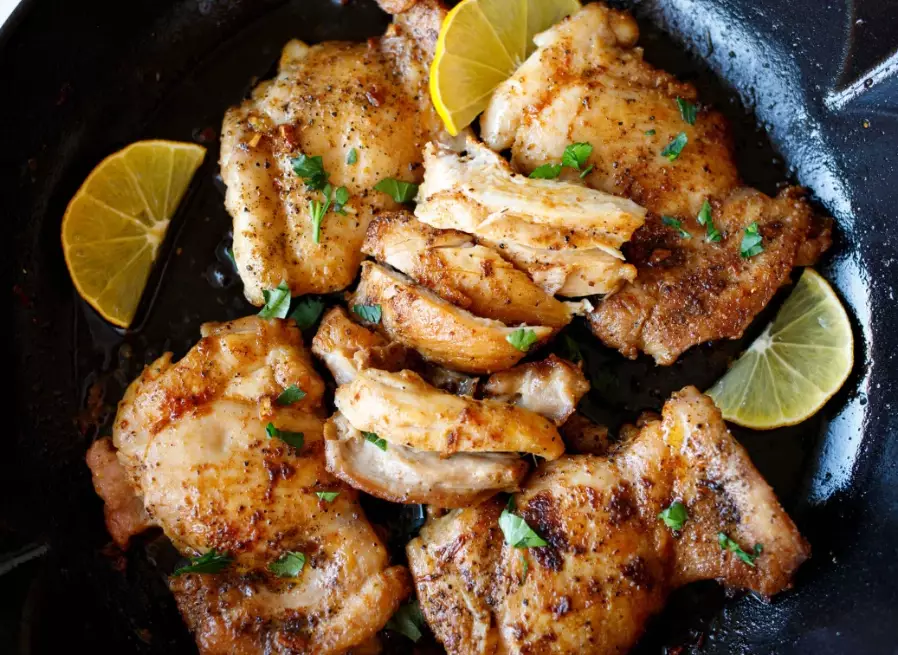
Jump to What Matters
Why Stove Top Chicken is a Game-Changer
Think about it. You're tired after work, the kids are hungry, and you need something reliable. That's where stove top cooking shines. It's all about direct heat and quick results. Unlike oven baking, which can take 45 minutes, a stove top chicken breast or thigh is done in 15-20 minutes. You get that beautiful sear—what chefs call the Maillard reaction—that adds depth of flavor.
I remember a friend who swore by grilled chicken until she tried my stove top version. She said it was juicier because she could monitor it closely. And that's the point: control. You adjust the heat on the fly, something you can't do with an oven.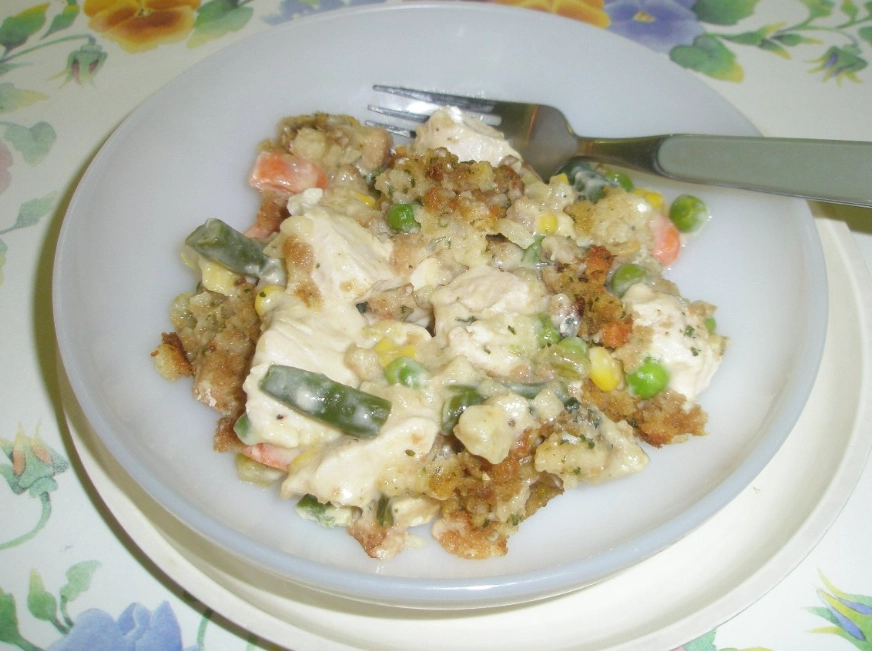
What You Need: Tools and Ingredients
Don't overcomplicate this. Here's the bare minimum:
- A heavy-bottomed skillet: Cast iron or stainless steel works best. Non-stick is okay, but it won't give you the same crust. I use a 12-inch cast iron pan I've had for a decade—it distributes heat evenly.
- Tongs or a spatula: For flipping without piercing the meat.
- Meat thermometer: Non-negotiable. The USDA recommends cooking chicken to 165°F (74°C) for safety. A digital thermometer takes the guesswork out.
- Chicken: Any cut works. Bone-in, skin-on thighs are forgiving and flavorful. Boneless breasts are leaner but trickier. Drumsticks? Sure, just adjust cooking time.
- Oil with high smoke point: Avocado oil, canola oil, or grapeseed oil. Olive oil is fine for medium heat, but it can burn if you're searing hot.
- Salt and pepper: The basics. But don't stop there—herbs, spices, garlic powder, paprika. It's your canvas.
Step-by-Step Cooking Process
Follow these steps, and you'll nail it. I'll walk you through boneless, skinless chicken breasts since they're the most common but also the easiest to ruin.
Prepping the Chicken
If using breasts, pound them to an even thickness—about 1/2 inch. This ensures they cook uniformly. Use a meat mallet or a rolling pin. Season generously on both sides. Don't be shy; salt draws out moisture initially but helps form a crust.
Heating the Pan
Place your skillet over medium-high heat. Add 1-2 tablespoons of oil. Wait until the oil shimmers—that's about 350°F (177°C). If you drop a tiny piece of chicken in and it sizzles immediately, you're good. A cold pan is the number one reason for sticking.
Cooking to Perfection
Lay the chicken in the pan without crowding. Leave space between pieces. Cook for 4-6 minutes without touching it. Seriously, resist the urge to peek. You want a golden-brown crust. Flip and cook another 4-6 minutes. Use the thermometer: insert into the thickest part, aiming for 165°F. Remove from pan and let rest for 5-10 minutes. Resting is crucial; it lets juices redistribute.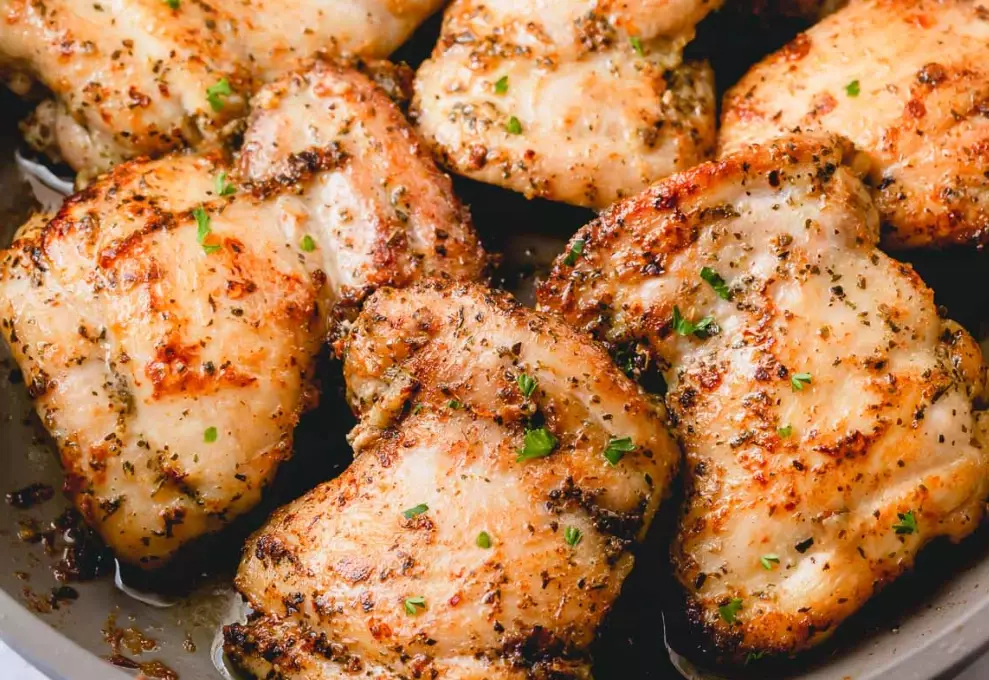
For bone-in pieces like thighs, start skin-side down, render the fat, then flip and finish cooking. They might take 10-12 minutes per side.
| Chicken Cut | Approximate Cooking Time (per side) | Internal Temp |
|---|---|---|
| Boneless breast (1/2 inch) | 4-6 minutes | 165°F |
| Bone-in thigh | 10-12 minutes | 165°F |
| Drumstick | 8-10 minutes | 165°F |
| Boneless thigh | 5-7 minutes | 165°F |
Common Mistakes and How to Avoid Them
I've made these all, so learn from me.
- Overcrowding the pan: This drops the temperature, causing chicken to steam. Cook in batches if needed. It's better to wait a few extra minutes.
- Moving chicken too much: Let it sear undisturbed. Constant flipping prevents browning.
- Using high heat throughout: Start high for sear, then reduce to medium to finish cooking through. Otherwise, the outside burns before the inside cooks.
- Skipping the rest: Cutting immediately lets juices run out. Let it sit on a plate loosely covered with foil.
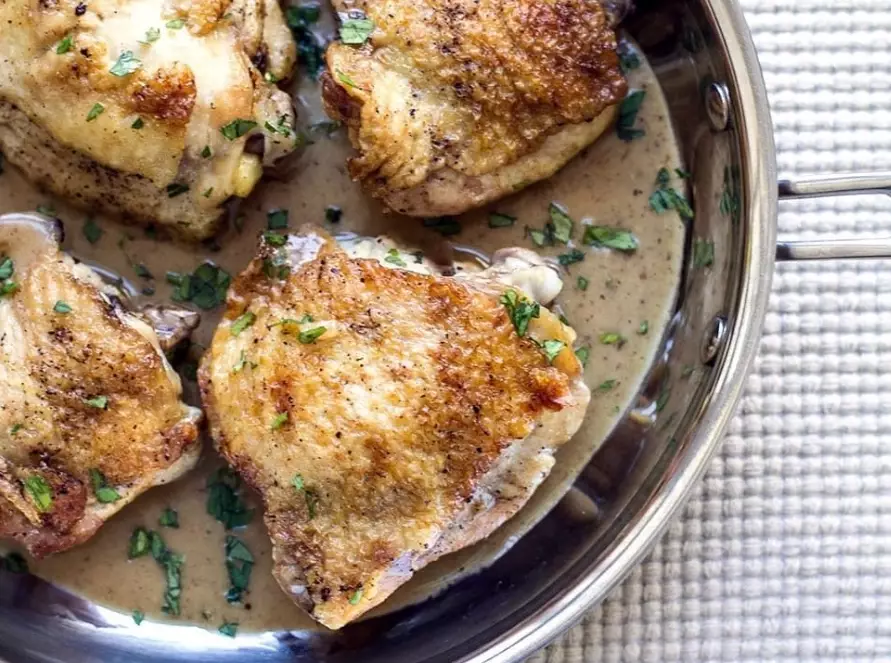
Flavor Variations to Keep It Interesting
Bored of basic chicken? Try these twists—all cooked on the stove.
Lemon Herb: After cooking, deglaze the pan with lemon juice and chicken broth. Add thyme and butter, simmer for 2 minutes, pour over chicken.
Spicy Garlic: Season chicken with chili powder and cumin. In the last minute of cooking, add minced garlic and a pinch of red pepper flakes.
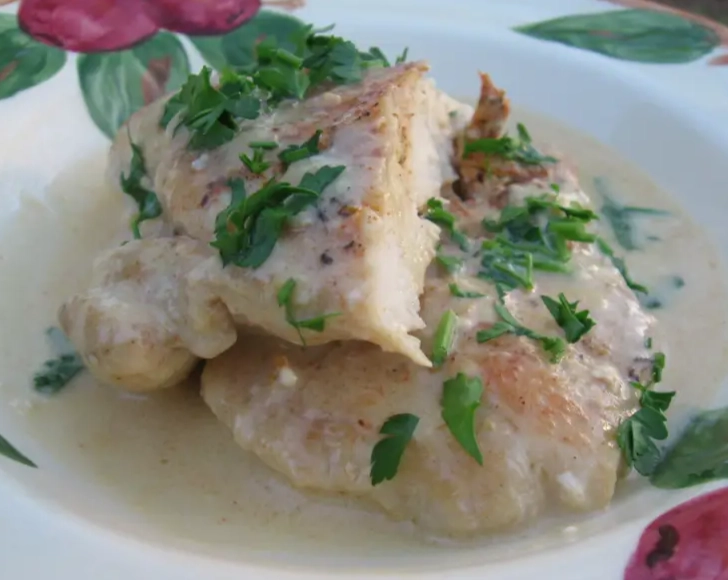
Creamy Mushroom: Remove chicken, sauté sliced mushrooms in the same pan, add a splash of white wine, then stir in heavy cream. Simmer until thickened.
I love the mushroom version for cozy nights. It feels fancy but takes 10 extra minutes.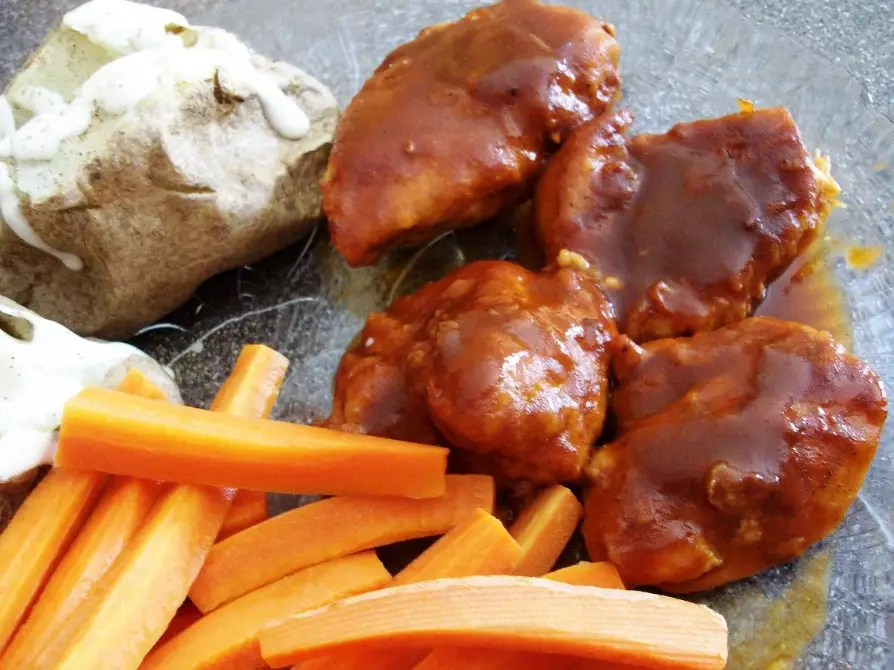
Nutrition and Serving Ideas
Stove top chicken is lean protein. A 4-ounce boneless breast has about 120 calories and 26 grams of protein. Pair it with:
- Steamed broccoli or green beans—cook them in the same pan after the chicken for easy cleanup.
- Quinoa or brown rice to soak up pan sauces.
- A simple salad with vinaigrette.
For meal prep, cook a batch and store in the fridge for up to 4 days. Reheat gently in a pan with a bit of broth to keep it moist.
Your Stove Top Chicken Questions Answered
 Stove top chicken isn't rocket science, but attention to detail makes all the difference. Start with a hot pan, don't overcrowd it, and trust the thermometer. You'll have a reliable, delicious meal that beats takeout any night.
Reader Comments