You know the feeling. It's 6 PM, you're tired, hungry, and staring into the fridge hoping a healthy meal will magically assemble itself. It never does. So you order takeout or snack on whatever's easiest, feeling that little pang of guilt. What if you could open that fridge on Wednesday and find a delicious, healthy lunch ready to go? That's the power of easy healthy meal prep. It's not about spending your entire Sunday in the kitchen or eating the same bland chicken and broccoli every day. It's a simple system to get real food on your plate with minimal daily effort.
I've been doing this for over a decade, and I've seen all the mistakes—including my own. The biggest one? Making it way too complicated at the start. Let's fix that.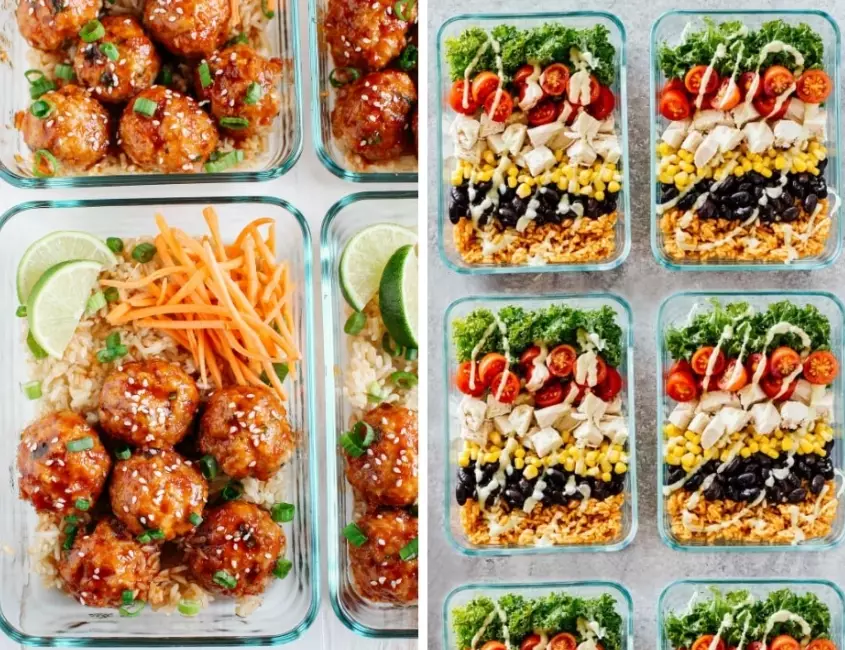
Your Quick Guide to Meal Prep Success
- Why Bother with Meal Prep? (It's More Than Just Lunch)
- Gear Up: The Minimalist Kitchen Toolkit
- The Core Method: The 1-2-3 Formula That Never Fails
- A Recipe in Action: Lemon Herb Chicken & Rainbow Veggies
- How to Store and Reheat Food So It Actually Tastes Good
- Building Your Flexible Weekly Plan
- Your Meal Prep Questions, Answered
Why Bother with Meal Prep? (It's More Than Just Lunch)
People think meal prep is just for bodybuilders. It's not. It's for anyone who values their time, money, and sanity. When you have healthy food ready, you make better choices without thinking. It's decision fatigue solved.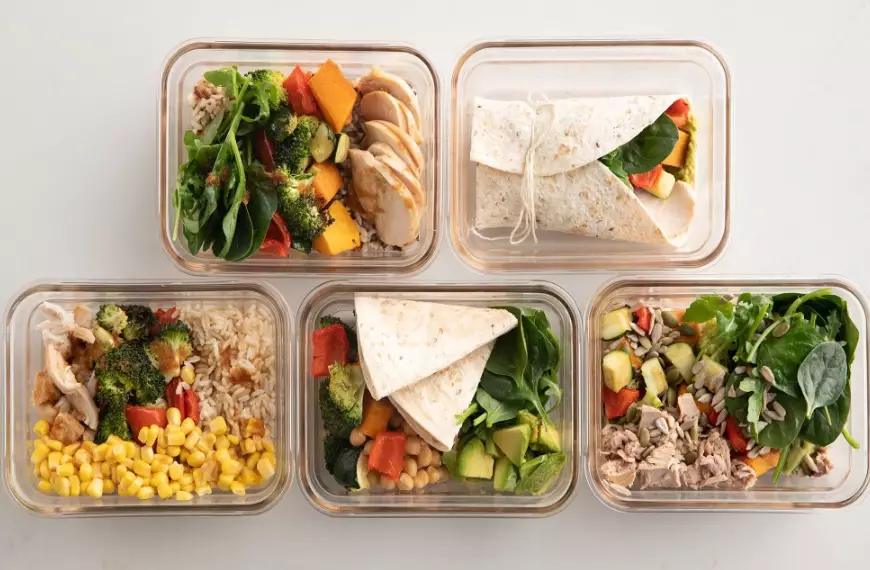
Here’s what you really gain:
- Time: One 2-hour session saves you 30-60 minutes of daily cooking and cleaning. Do the math. That's 3-5 hours you get back in your week.
- Money: You buy only what you need, reduce food waste, and eliminate impulsive takeout orders. My grocery bill dropped noticeably when I started.
- Stress: The "what's for dinner?" panic disappears. This mental relief is huge, especially on busy workdays.
- Health Control: You control the ingredients, portions, and nutrition. No hidden sugars, excessive oils, or mysterious additives. Research from sources like Harvard Health Publishing consistently shows that planning meals is linked to better diet quality and healthier body weight.
It's not about restriction. It's about creating freedom.
Gear Up: The Minimalist Kitchen Toolkit
You don't need a kitchen full of fancy gadgets. Start with these essentials. I've linked to common, reliable types you can find anywhere.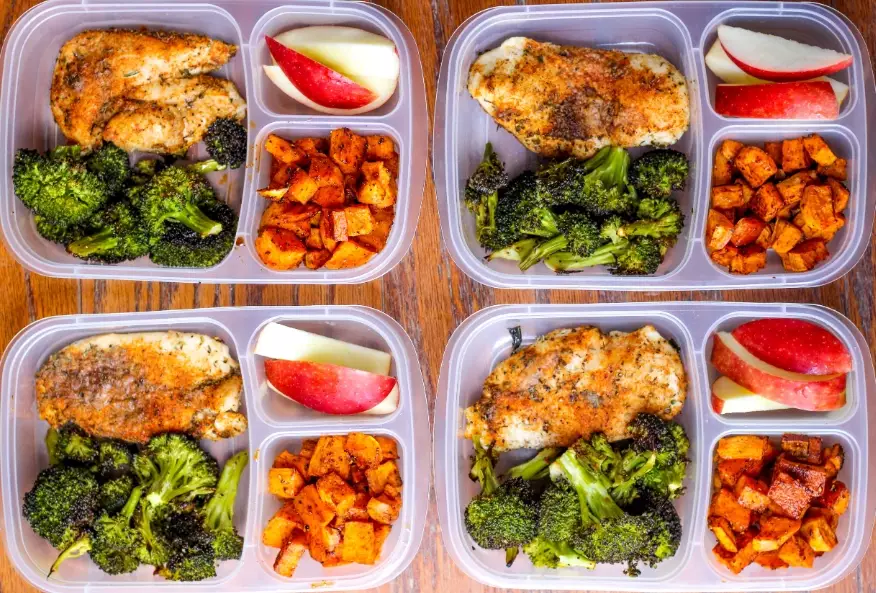
The Non-Negotiables: A large chef's knife you're comfortable with, a few cutting boards, 2-3 large sheet pans (half-sheet size is perfect), a big mixing bowl, and a colander. For cooking, a large skillet or Dutch oven and a pot for grains are key.
Now, for the real game-changers:
- Meal Prep Containers: This is your MVP. Get a set of glass or BPA-free plastic containers with compartments. I prefer glass (like Pyrex) because it reheats evenly, doesn't stain, and lasts forever. Having uniform sizes stacks neatly in the fridge.
- Parchment Paper or Silicone Baking Mats: For roasting veggies and proteins without sticking. Cleanup becomes a 10-second wipe.
- Food Scale (Optional but Helpful): For nailing portions, especially for proteins and grains. It removes the guesswork.
- Salad Spinner: If you prep greens, this is crucial. Dry greens last days longer. Trust me on this.
The Core Method: The 1-2-3 Formula That Never Fails
Forget complicated recipes at first. Every satisfying meal can be built on this simple framework. It ensures balance and keeps things interesting.
1. Choose Your Protein. Cook one or two in bulk. Chicken thighs (more forgiving than breasts), ground turkey, salmon fillets, a dozen hard-boiled eggs, a pot of lentils, or a block of baked tofu.
2. Pick Your Vegetables. Roast two different kinds. This is where flavor and color happen. Sweet potatoes and broccoli. Bell peppers and zucchini. Brussels sprouts and carrots. Toss them in olive oil, salt, pepper, and different spices (paprika, garlic powder, Italian herbs) on separate trays. Roast at 400°F (200°C) until tender and slightly charred.
3. Add a Healthy Carb. Cook one pot. Quinoa, brown rice, farro, or whole-wheat pasta. This gives you energy and makes the meal filling.
The Secret Sauce (Literally): Prepare 1-2 simple sauces or dressings. This is the expert tip most beginners miss. A batch of lemon-tahini dressing, a yogurt-herb sauce, or even a bottle of good pesto can transform the same components into completely different meals all week. A bland chicken breast becomes a Mediterranean bowl with tzatziki, or an Asian-inspired dish with a ginger-soy glaze.
Mix and match these components daily. Tuesday: Lemon herb chicken with broccoli and quinoa. Wednesday: Same chicken chopped into a salad with the roasted peppers and a different dressing. See? Not boring.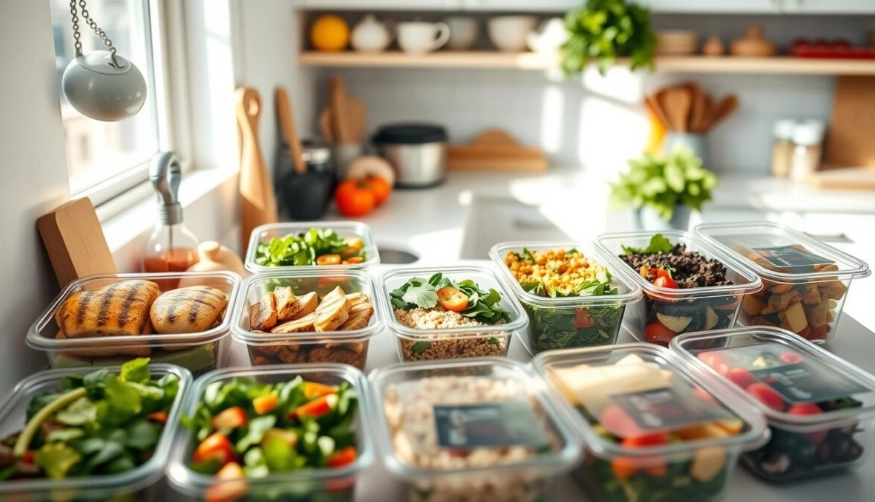
A Recipe in Action: Lemon Herb Chicken & Rainbow Veggies
Let's make this concrete. Here’s a foolproof, flavorful base recipe that yields 4 lunches.
Meal Prep Star: Lemon Herb Chicken & Sheet Pan Rainbow Veggies
Protein: 1.5 lbs (680g) boneless, skinless chicken thighs
Veggies: 1 red bell pepper, 1 yellow bell pepper, 1 small red onion, 1 bunch of asparagus
Carb: 1 cup dry quinoa
Flavor: 3 tbsp olive oil, 2 lemons (zest and juice), 3 cloves garlic (minced), 1 tbsp dried oregano, salt, and pepper.
Steps:
- Preheat oven to 425°F (220°C). Line two sheet pans with parchment.
- Chop all veggies into bite-sized pieces. Toss on one pan with 2 tbsp oil, half the lemon zest, half the garlic, salt, and pepper.
- Place chicken thighs on the other pan. Coat with remaining oil, lemon zest, garlic, oregano, salt, and pepper. Squeeze half a lemon over them.
- Roast for 20-25 minutes. Veggies should be tender, chicken cooked through (165°F/74°C internal). Let chicken rest, then slice.
- While they roast, cook quinoa according to package directions (usually 1 cup quinoa to 2 cups water, simmer 15 mins). Fluff with a fork and stir in the juice of half a lemon.
- Assembly: Divide quinoa among 4 containers. Top with sliced chicken and roasted veggies. Squeeze the remaining fresh lemon juice over everything before sealing.
Nutrition (approx. per serving): ~450 kcal, 35g protein, 45g carbs, 15g fat. It's filling and full of flavor.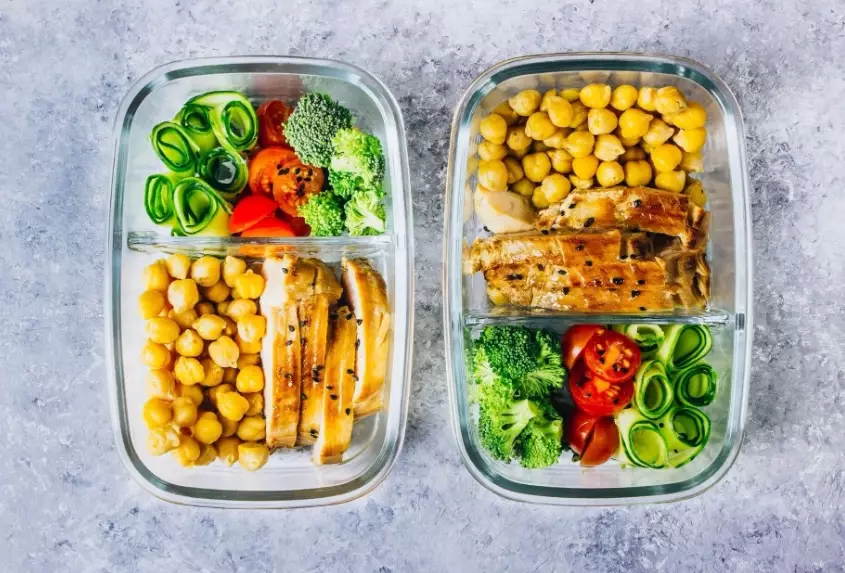
Meal Prep Twist: Want a salad? Pack the chicken and veggies cold over greens with a separate container of the lemon-herb juices from the pan as dressing.
How to Store and Reheat Food So It Actually Tastes Good
Poor storage ruins the best prep. Follow these rules to keep food fresh and safe.
Containers Matter: Let food cool completely before sealing containers. Trapped steam creates condensation, which turns crispy roasted veggies soggy and can promote bacteria growth. I let things sit on the counter for 20-30 minutes.
The Fridge Rule: Most cooked meals last safely for 3-4 days in the fridge. If you're prepping for Thursday/Friday, consider making a second batch mid-week or utilizing the freezer.
Freezer Friendly: Soups, stews, chili, cooked meatballs, and marinated raw proteins freeze beautifully. Portion them out, label with the date, and use within 2-3 months for best quality. Thaw in the fridge overnight.
Reheating for Victory:
Microwave: The enemy of texture. Add a splash of water to grains and veggies, cover loosely, and reheat in short bursts, stirring in between. Reheat proteins on a lower power setting.
Oven/Toaster Oven: Best for reviving roasted veggies and proteins. 350°F (175°C) for 10-15 minutes brings back some crispness.
Stovetop: Ideal for soups, stews, and stir-fry components. A quick warm-up in a pan often tastes better than microwaving.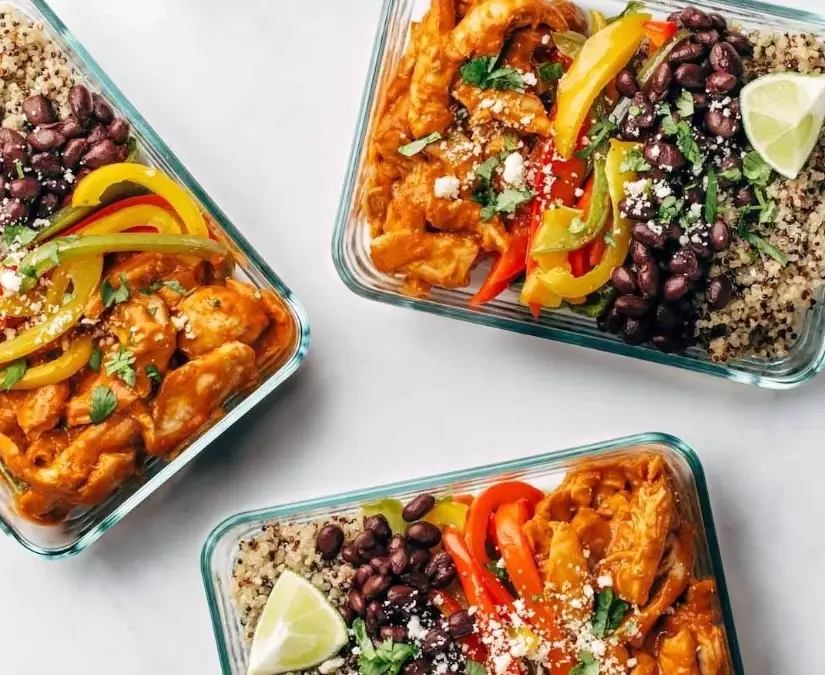
Building Your Flexible Weekly Plan
Your plan should fit your life, not the other way around. Here’s a realistic approach.
Step 1: The 30-Minute Friday Think. Before your grocery trip, ask: What does my week look like? Late meeting Tuesday? Plan a freezer meal. Dinner out Thursday? Only prep 3 lunches. Write down 3 dinner ideas and 4-5 lunch concepts based on the 1-2-3 formula.
Step 2: The Streamlined Shop. Shop with your list. Stick to the perimeter for fresh produce, proteins, and dairy. Venture into aisles only for pantry staples like grains, spices, and canned beans.
Step 3: The 2-Hour Sunday Power Hour. This is your focus time. Put on music or a podcast.
1. Oven First: Preheat. Start roasting your hardy veggies (potatoes, carrots).
2. Stovetop Second: While they roast, cook your grain (quinoa, rice) and simmer a pot of lentils or hard-boil eggs.
3. Protein Prep: Season and cook your main protein—roast chicken, pan-sear fish, or brown ground meat.
4. Chop & Store: Wash and chop fresh veggies for salads/snacks. Make your sauce or dressing.
5. Assemble: Portion out your lunches. Store components separately if you're worried about sogginess.
For Vegetarians/Vegans: Your protein stars are chickpeas (roast them for crunch!), lentils, tofu, tempeh, and a variety of beans. A big curry or lentil soup is a perfect make-ahead.
For Busy Parents: Prep components, not full meals. A tray of baked chicken nuggets, a container of cooked pasta, and pre-cut fruit and veggies let you assemble healthy kid plates in minutes.
Remember, meal prep is a tool, not a prison. If you miss a week, just start again. It's about progress, not perfection.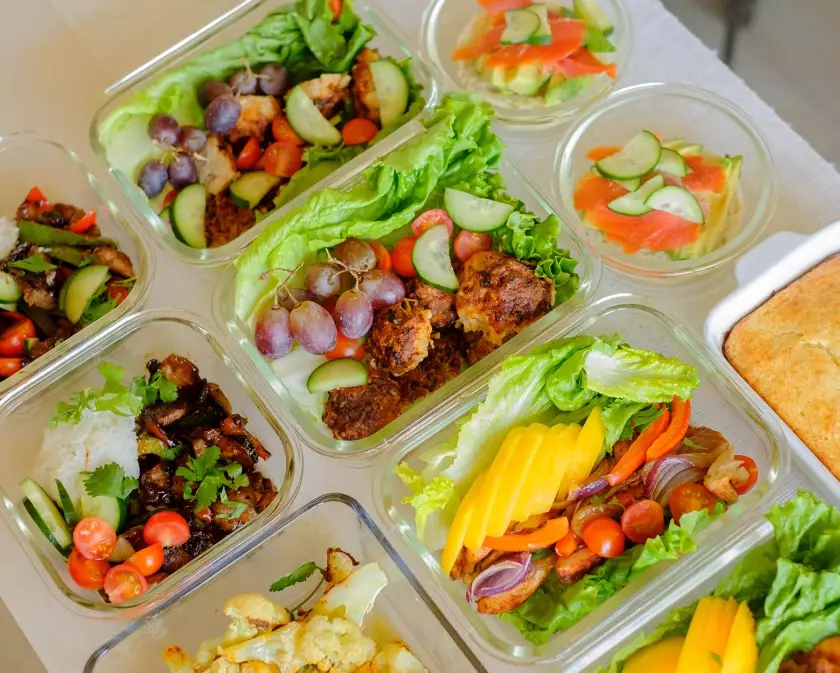
Your Meal Prep Questions, Answered
What are some easy healthy meal prep ideas for breakfast that won't get soggy?
Focus on dry components or layered assemblies. Overnight oats are a classic, but for variety, try chia seed pudding in individual jars. For a savory option, prepare muffin-tin egg frittatas with diced veggies and bake them. Keep wet ingredients like salsa or yogurt separate in small containers and add them just before eating. Pre-portion dry ingredients for smoothies into bags (frozen fruit, spinach, protein powder) and just blend with liquid in the morning.
How can I prevent my prepped vegetables from getting slimy or wilted by Thursday?
This is a common pitfall often caused by trapped moisture and improper storage. The key is to dry your vegetables thoroughly after washing. A salad spinner is your best friend here. For leafy greens, line your container with a paper towel to absorb excess moisture. Store cut, wetter veggies like tomatoes and cucumbers completely separate from drier components like lettuce or cooked grains. Consider prepping heartier vegetables like roasted broccoli, carrots, or bell peppers, which hold up far better over several days than delicate greens.
I'm on a tight budget. How can I do affordable healthy meal prep?
Meal prep is fantastic for budgeting. Start with cheap, versatile protein bases like dried lentils, canned beans, chicken thighs, or ground turkey. Buy grains like rice, oats, and quinoa in bulk. Focus on in-season vegetables, which are cheaper and tastier. Frozen vegetables are a budget and time-saver—they're pre-chopped, retain nutrients, and are often more affordable than fresh. A big batch of bean chili, lentil soup, or a large tray of roasted chicken and vegetables gives you multiple meals for a very low cost per serving.
How do I avoid getting bored eating the same meal four days in a row?
Don't prep four identical meals. Prep versatile components. Cook a batch of plain chicken, a big tray of mixed roasted veggies, and a pot of quinoa. Day 1: Bowl with lemon-tahini sauce. Day 2: Wrap with the chicken, veggies, and some spinach in a tortilla. Day 3: Add the components to a broth with some extra ginger for a quick soup. Day 4: Toss everything with different spices (like cumin and chili powder) and fresh cilantro for a totally new flavor profile. Having 2-3 sauces or spice blends ready is the ultimate boredom-buster.
The goal isn't to create a picture-perfect Instagram feed of identical containers. It's to make your real-life week easier, healthier, and less stressful. Start with one thing. Maybe just prep your lunches. Or just roast two trays of vegetables. You'll feel the difference immediately. Then, you'll never want to go back to the 6 PM fridge stare.
Reader Comments