Let's be honest. The craving for warm, flaky biscuits can hit hard, but the thought of measuring flour, baking powder, and salt, hoping the ratios are just right, can be a mood killer. What if I told you there's a box sitting in your pantry right now that holds the secret to easier, more consistent biscuits? That's right—pancake mix.
I discovered this trick during a minor kitchen crisis, out of buttermilk but desperate for something to go with stew. The result was a revelation: tender, layered biscuits with half the fuss. It's not just a lazy hack; it's a legitimate technique that leverages the pre-mixed leaveners and flour in pancake mix to guarantee a good rise. This guide will walk you through everything, from the foolproof basic recipe to the expert tricks that make them exceptional.
What You'll Find in This Guide
Why Pancake Mix Makes Sense for Biscuits
It sounds too simple, but the chemistry checks out. A standard pancake mix contains flour, a leavening agent (like baking powder), and often salt and sugar. These are the core dry ingredients for a biscuit. You're essentially using a reliable, pre-portioned base.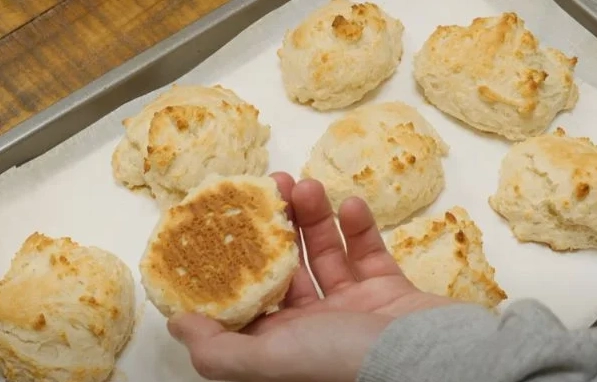
The real advantage? Consistency and speed. You eliminate the chance of measuring out flat baking powder or using the wrong flour type. For new bakers, this builds confidence. For busy cooks, it shaves precious minutes off prep time. According to the USDA's economic research, home cooks are increasingly seeking time-saving meal solutions, and this fits perfectly.
There's a nuance, though. Pancake mix often contains sugar and sometimes powdered milk. This gives your biscuits a subtly sweeter, richer background flavor compared to a traditional Southern biscuit—which I find works wonderfully for breakfast or with sweet toppings. We'll adjust for that.
How to Make Pancake Mix Biscuits: The Basic Recipe
This is your no-fail starting point. You only need four ingredients.
| Ingredient | Quantity | Notes |
|---|---|---|
| Complete Pancake Mix | 2 cups | Shake the box first to fluff it up. |
| Very Cold Butter | 1/3 cup (5 1/3 tbsp) | Cut into small cubes. Freeze for 10 minutes for best results. |
| Cold Milk or Buttermilk | 2/3 cup | Buttermilk adds tang and tenderness. Whole milk works great. |
| Optional: Pinch of Salt | - | If your mix is low-sodium, add it. |
The Step-by-Step Process
1. Combine Dry and Fat: In a large bowl, measure your pancake mix. Drop in the frozen butter cubes. Using a pastry cutter, two forks, or your fingertips, work the butter into the mix until it looks like coarse crumbs with some pea-sized butter pieces remaining. Those visible butter bits are golden—they'll create steam and flaky layers.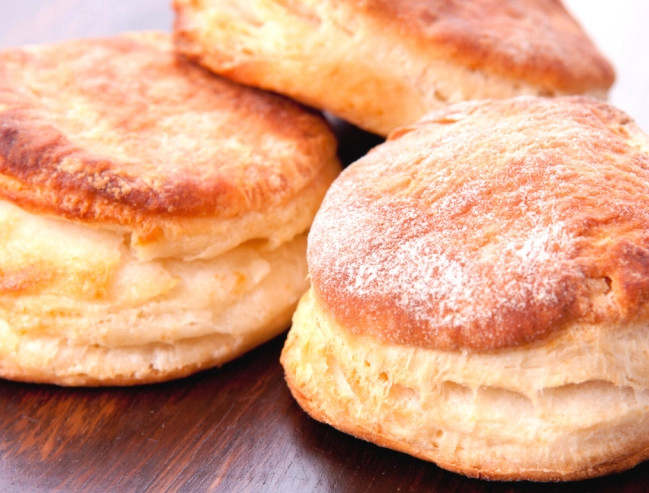
2. Add the Liquid: Make a well in the center. Pour in most of the cold milk. With a fork or silicone spatula, gently stir just until the dough comes together and pulls away from the bowl. It will look shaggy and messy. If it's too dry, add the remaining milk, a tablespoon at a time.
Stop stirring the second it forms a ball. Over-mixing is the enemy of tenderness.
3. Shape and Cut: Dump the dough onto a lightly floured surface (use a bit more pancake mix as flour). Pat it—don't roll it—into a 3/4-inch thick rectangle. Fold it in half, then pat it out again to 3/4-inch. This simple fold creates extra layers.
Use a sharp biscuit cutter or a glass dipped in flour to cut straight down. Do not twist. Twisting seals the edges and prevents a good rise. Press the scraps together gently for a final biscuit or two (they'll be a bit tougher, but still tasty).
4. Bake: Place biscuits on an ungreased or parchment-lined baking sheet, edges touching for softer sides or 1-inch apart for crispier sides. Bake in a preheated 425°F (220°C) oven for 10-12 minutes, until golden brown on top.
That's it. You're done.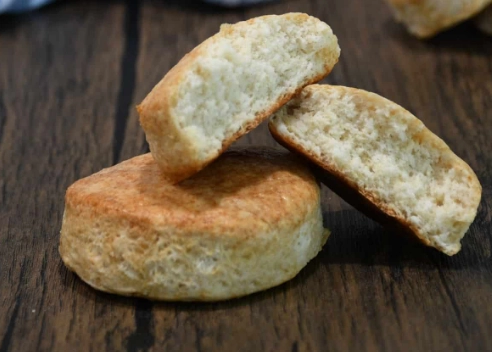
What’s the Secret to Flaky Pancake Mix Biscuits?
Anyone can follow the recipe above. To make biscuits that rival a bakery's, you need to master three things: temperature, handling, and fat.
Temperature is Non-Negotiable. Every ingredient that touches the dough should be cold. Cold butter, cold milk, a cold bowl. I even chill my pastry cutter. Why? When cold butter hits the hot oven, it steams. That steam pushes up the layers of dough, creating flakiness. If the butter melts before baking, you get a greasy, dense biscuit.
Handling the Dough Like a Pro. This isn't bread. You're not developing gluten. You're coaxing ingredients to barely hang together. Use your fingertips, not your palms, to work the butter. When mixing, stop at "shaggy." When patting, be firm but quick. The less you touch it, the better.
The Fat Choice. Butter gives the best flavor. For ultimate flakiness, some pros grate frozen butter on a box grater into the flour. It distributes perfectly with minimal handling. For a slightly more tender, cake-like crumb, you can swap half the butter for very cold vegetable shortening. It has a higher melting point, which can stabilize the layers.
Beyond Basic: Tasty Variations & Serving Ideas
The basic biscuit is a blank, buttery canvas. Here’s where you can run with it.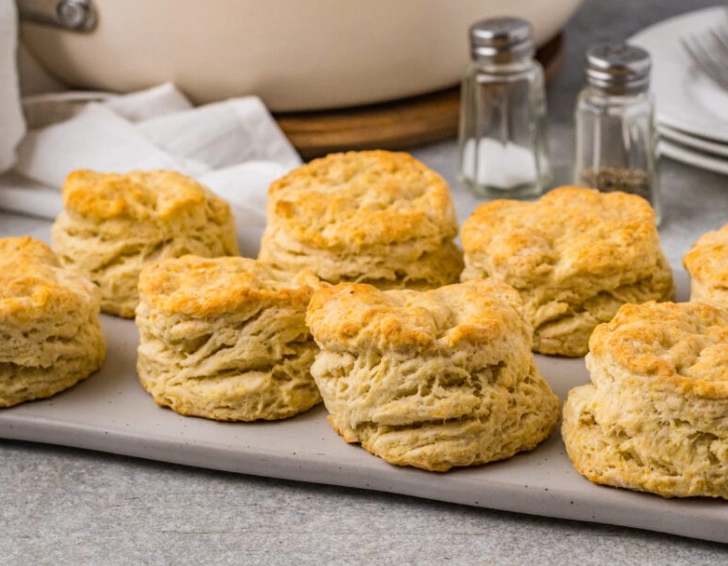
Savory Twists: Stir in 1/2 cup of shredded sharp cheddar and 2 tablespoons of finely chopped chives with the dry ingredients. Incredible with chili. For an herby bite, add a teaspoon of dried rosemary or thyme, cracked between your fingers to release the oils. Cook and crumble 4 slices of bacon, cool it, and fold it in. A drizzle of maple syrup on top after baking? Chef's kiss.
Sweet Versions: Mix in 2 tablespoons of sugar and a teaspoon of cinnamon into the dry mix. After brushing the tops with milk, sprinkle with cinnamon sugar before baking. Fold in 1/3 cup of fresh blueberries or dried cranberries. The berries might bleed a little, but the flavor is worth it.
How to Serve Them: The classic: Split open, slather with butter and honey or jam. For breakfast sandwiches: They're the perfect size for a folded egg, cheese, and a sausage patty. As a shortcake: Let cool, split, and pile on macerated strawberries and whipped cream. With soups and stews: Instead of dinner rolls, these are superior for sopping up gravy.
Pro Tips & Troubleshooting Common Issues
After making these for years, here are the pitfalls I've learned to avoid.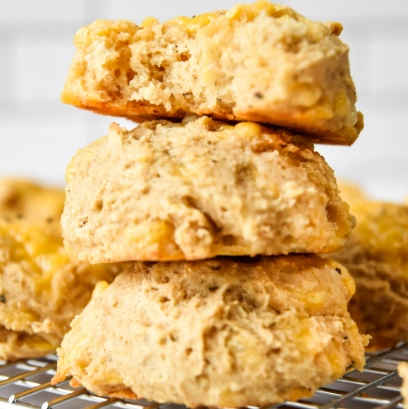
My biscuits are tough. You over-mixed the dough. Next time, stop earlier. The dough should look rough. They didn't rise much. Check your baking powder's date. Also, ensure your oven is fully preheated. A hot, fast start is crucial. The bottoms burned. Your baking sheet is too dark or thin. Use a light-colored sheet or double-pan it (place your sheet on top of another). They taste too sweet. You used a very sweet pancake mix. Choose a "complete" buttermilk mix that tends to be less sweet, or add a pinch more salt to balance it.
One non-consensus tip I swear by: After cutting, I sometimes freeze the shaped biscuits on the tray for 10 minutes before baking. This re-chills everything, guaranteeing maximum oven spring.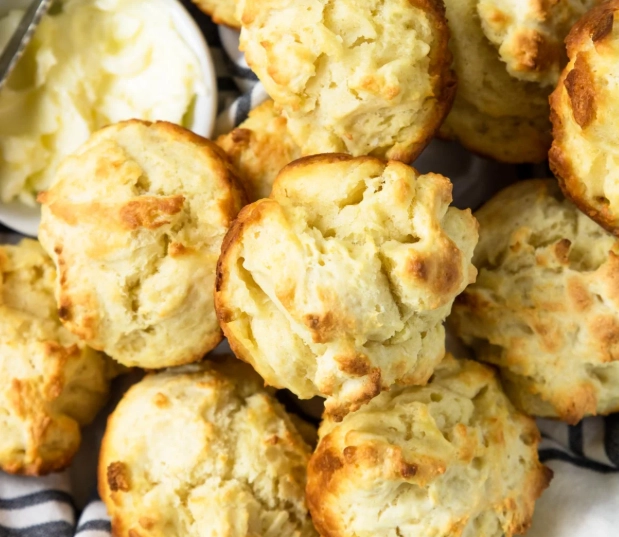
Your Pancake Mix Biscuit Questions, Answered
How do I make pancake mix biscuits more fluffy and less dense?
The single biggest mistake is overworking the dough. Once you add the milk, mix just until no dry pockets remain—it should be a ragged, sticky mass. When you pat it out, use a light touch. Think "press and fold," not "knead and smooth." Also, make sure your baking powder is fresh. An old leavener won't give you the lift you need.
Can I prepare pancake mix biscuit dough ahead of time and bake later?
For the best rise, bake them immediately. However, you can freeze the unbaked, cut biscuits solid on a tray, then bag them. Bake from frozen, adding 3-5 minutes. Do not refrigerate the raw dough for more than an hour; the baking powder will start activating prematurely and fall flat.
Why did my pancakes mix biscuits turn out flat and not rise?
Flat biscuits usually have two culprits. First, expired baking powder. Test it. Second, and this is subtle, the butter was too warm when it went in the oven. If you handle the dough too long with warm hands, the butter softens and can't create those crucial steam pockets. Keep everything cold, work fast, and get them into a hot oven.
What's the best way to store and reheat leftover pancake mix biscuits?
Let them cool completely, then store in an airtight container at room temp for two days. To freeze, wrap individually in plastic and foil. To reheat, never use the microwave—it turns them rubbery. Thaw (if frozen) and warm in a 300°F oven for 10 minutes, or pop them in a toaster oven. This restores the exterior crispness.
So, next time you see that box of pancake mix, see it for what it truly is: a shortcut to something wonderful. It’s a tool that democratizes good baking, taking the fear out of biscuits and putting the fun back in. Give it a try. Your breakfast table will thank you.
Reader Comments