Let's be honest. Chicken breast tenders have a reputation. For every perfectly juicy, flavorful strip, there are ten others that are dry, stringy, and about as exciting as cardboard. I've been there. I've overcooked them, underseasoned them, and served up rubbery disappointments more times than I care to admit. But after years of testing (and eating), I've cracked the code. This isn't just another recipe list. It's a deep dive into transforming this humble, often-misunderstood cut into the star of your weeknight dinners and meal prep.
What You'll Find in This Guide
What Exactly Are Chicken Breast Tenders?
First, a quick anatomy lesson. That tenderloin is the small, oblong strip of meat you find on the underside of a whole chicken breast. It's separated from the main breast by a thin membrane. It's naturally more tender (hence the name) because it's a muscle that does less work. You can buy them already separated in packages labeled "chicken tenderloins" or "chicken breast tenders."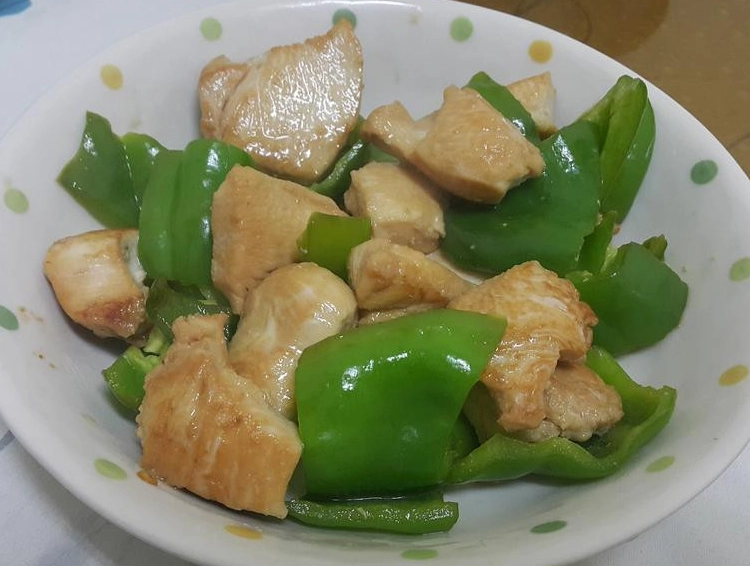
Here's the thing most recipes don't tell you: because they're smaller and thinner, they cook much faster than a whole breast. This is the primary reason they end up dry. A whole breast might forgive an extra minute or two in the pan. A tender won't.
Buying Tip: Look for packages where the tenders are similar in size. Huge variation means uneven cooking. If you're cutting your own from whole breasts, try to trim them to a uniform thickness—about 1/2 to 3/4 inch is ideal.
How to Cook Chicken Breast Tenders: 4 Foolproof Methods
Each method has its superpower. Your choice depends on whether you crave crispy skin, smoky flavor, or lightning-fast convenience.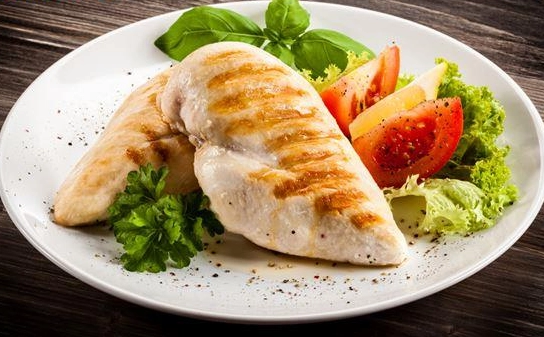
1. Pan-Searing for a Golden Crust
This is my go-to for a quick, restaurant-quality result. The key is getting your pan screaming hot. I use a heavy-bottomed stainless steel or cast iron skillet. Add a high-smoke-point oil (avocado or grapeseed) and wait until it shimmers. Pat your seasoned tenders completely dry—this is non-negotiable for browning. Don't crowd the pan. Cook for 2-3 minutes per side. They're done when they feel firm to the touch and register 165°F (74°C) internally. Let them rest for 5 minutes. The carryover heat will finish the job without overcooking.
2. Baking for Hands-Off Ease
Perfect for cooking a large batch evenly. Preheat your oven to 425°F (220°C). Line a baking sheet with parchment. Toss the tenders with a little oil and seasoning. Spread them out with space between each piece. Bake for 12-15 minutes. The high heat creates a nice exterior without drying out the center. A trick I learned from a chef friend: place a shallow pan of water on the bottom rack of the oven. The steam helps keep the chicken moist.
3. Air Frying for Ultimate Crispiness
If you love fried chicken tenders but not the oil, this is your method. The circulating hot air creates an incredible crust. Preheat your air fryer to 380°F (193°C). Lightly spray the basket with oil. Cook tenders in a single layer for 8-10 minutes, flipping halfway. No preheating? Add 2-3 minutes. For extra crunch, dredge them in a mix of panko breadcrumbs and a little grated Parmesan before cooking.
4. Grilling for Smoky Char
Summer vibes on a plate. The challenge here is them falling through the grates. Solution: use skewers or a grill basket. Get your grill medium-high hot. Brush the tenders with oil to prevent sticking. Grill for 3-4 minutes per side. They pick up those beautiful grill marks and a subtle smoky flavor that's hard to beat. Avoid sugary marinades here—they'll burn before the chicken cooks through.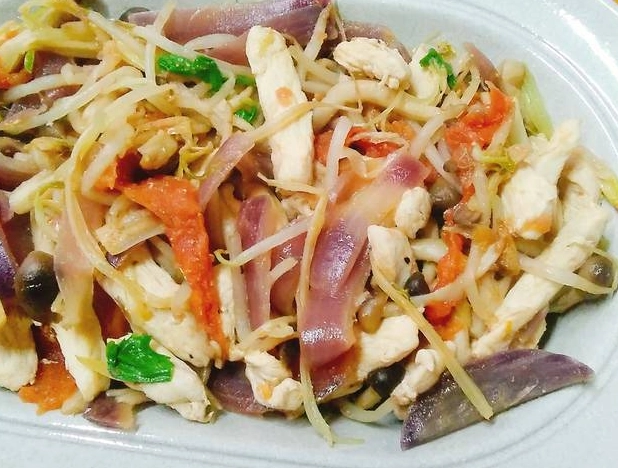
| Method | Best For | Key to Success | Approx. Cook Time |
|---|---|---|---|
| Pan-Searing | Fast, crispy crust | Hot pan, dry chicken, don't overcrowd | 4-6 mins total |
| Baking | Hands-off, large batches | High heat (425°F), use a rack for airflow | 12-15 mins |
| Air Frying | Ultimate crisp with less oil | Preheat, single layer, shake/flip midway | 8-10 mins |
| Grilling | Smoky, charred flavor | Use skewers/basket, medium-high heat | 6-8 mins total |
Pro Tips for Maximum Flavor & Avoiding Dryness
Here's where experience talks. These aren't the basic "season with salt and pepper" tips.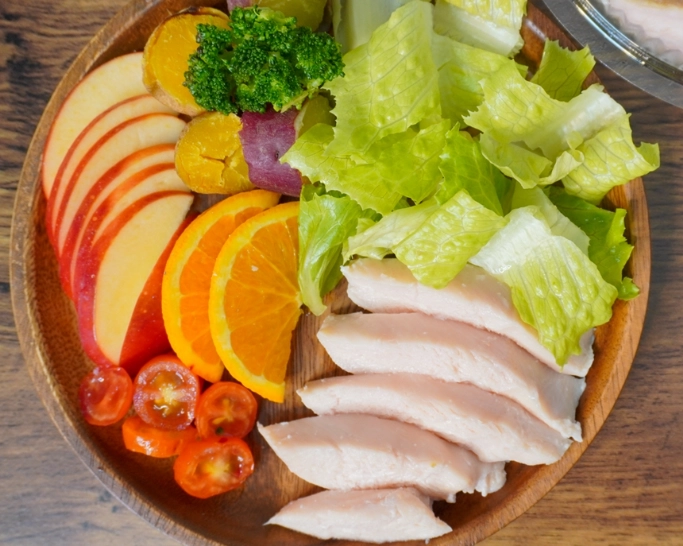
The Biggest Mistake: Skipping the brine or dry brine. A quick 20-minute soak in salted water (1 tbsp salt per cup of water) or even just a generous sprinkle of salt 30 minutes before cooking makes a world of difference. It seasons the meat all the way through and helps it retain moisture. This one step solves 80% of dryness problems.
Marinades vs. Rubs: For tenders, I lean towards quick, acidic marinades (30 mins to 2 hours max) or dry rubs. They're too thin for long marinating, which can turn the surface mushy. A favorite combo: olive oil, lemon juice, minced garlic, and herbs like thyme or oregano.
The Doneness Test: Stop cutting into them to check! Get an instant-read thermometer. Pull them off the heat at 160-162°F (71-72°C). The residual heat will bring them to the safe 165°F as they rest. Visually, the juices should run clear, not pink.
Resting is Mandatory: I know it's tempting to dig in. But letting them sit for 5 minutes after cooking allows the juices, which have been driven to the center by the heat, to redistribute throughout the meat. If you cut immediately, all that flavor ends up on your cutting board.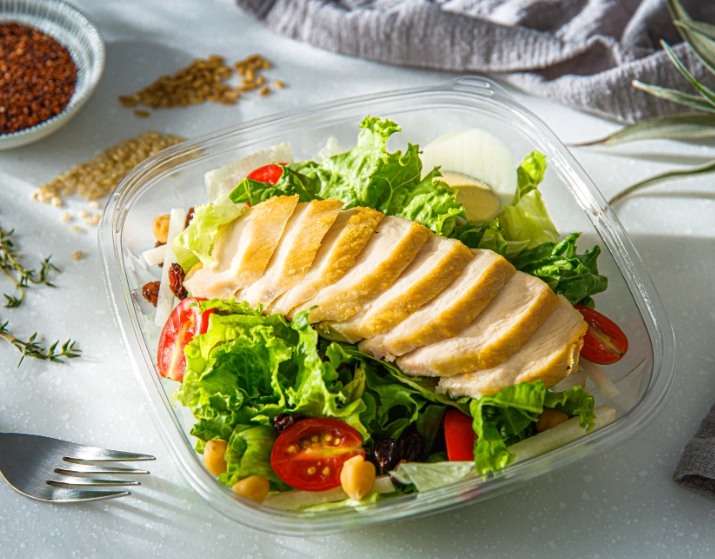
Storage, Reheating & Meal Prep Strategies
Cooked chicken breast tenders are a meal prep superstar, but reheating them wrong brings back the dryness.
Storage: Let them cool completely. Store in an airtight container in the fridge for up to 4 days. For the freezer, lay them in a single layer on a baking sheet to freeze individually, then transfer to a freezer bag. They'll last 2-3 months.
Reheating (The Right Way):
- Oven/Toaster Oven: 350°F (175°C) for 10-15 minutes. Sprinkle a few drops of water or chicken broth over them before heating to add steam.
- Air Fryer: 350°F for 3-5 minutes. This is the best method to restore crispiness.
- Microwave (Last Resort): Place on a plate, cover with a damp paper towel, and heat in 30-second bursts. The steam from the towel helps.
Meal Prep Ideas: Cook a big batch on Sunday. Use them throughout the week in salads, wraps, stir-fries, pasta dishes, or with a side of roasted veggies and a quick sauce. Their neutral flavor makes them incredibly versatile.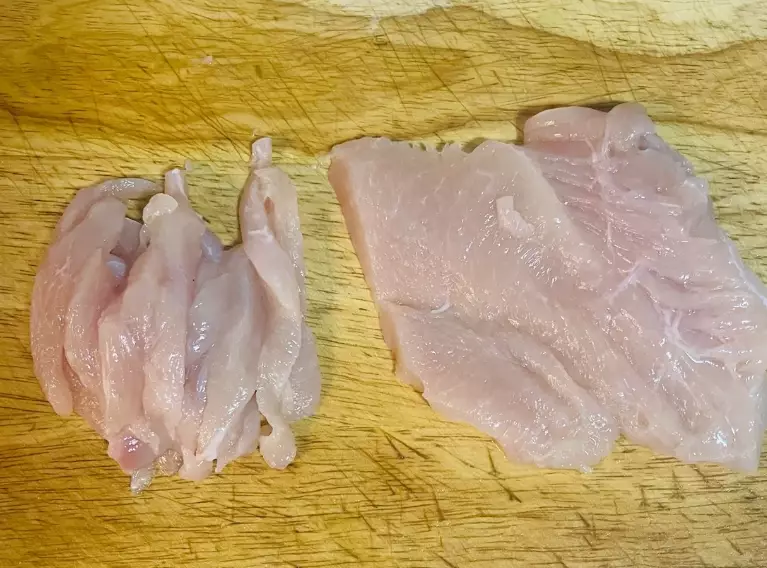
Reader Comments