Let's be honest. The first time you had a parmesan crisp, it was probably at a fancy restaurant, served alongside a salad you couldn't afford. That salty, crunchy, umami bomb made you wonder, "How hard could this be to make at home?" The answer, I'm thrilled to tell you, is not hard at all. In fact, mastering a basic parmesan crisps recipe is one of the easiest wins in your kitchen repertoire. But there's a gap between "cheese that melted" and "crisp that snaps." I've made the oily, limp versions so you don't have to. This guide dives past the one-line recipes to give you the texture, flavor, and consistency of a pro.
What You'll Find in This Guide
Why This Simple Recipe Beats Store-Bought
You're not just making a snack. You're creating a versatile component. Homemade parmesan crisps have no weird stabilizers, are naturally gluten-free and keto-friendly, and cost a fraction of the premium bags at the store. The ingredient list is a joke: cheese. Maybe some pepper. That's it.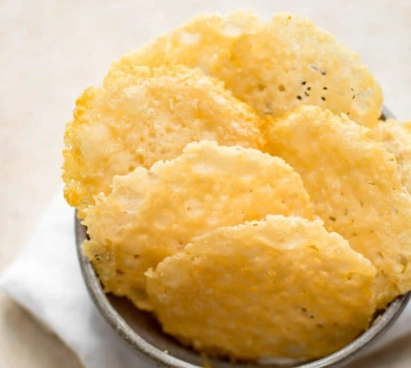
But the real magic is in the application. Crumble them over soup instead of croutons. Use them as a fancy cracker for charcuterie. Pop them as a movie snack. They add a punch of flavor and texture that elevates everything.
I keep a container in my fridge for weeknight dinners. It makes a simple roasted broccoli or a basic salad feel intentional.
The Right Cheese & Tools: Non-Negotiables
This is where most online recipes stop, and where your potential failure begins. Not all Parmesan is created equal for crisps.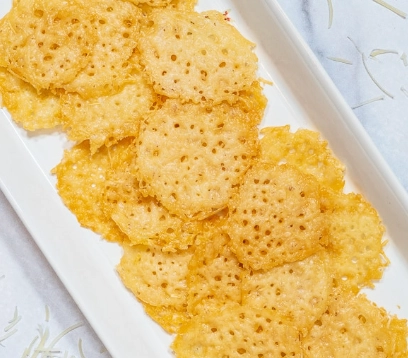
The Golden Rule: You must use freshly grated Parmigiano-Reggiano or Grana Padano. The pre-grated stuff in a canister is a disaster waiting to happen. It's coated in anti-caking agents (like cellulose powder) that prevent proper melting and lead to a grainy, sad crisp. Trust me on this.
Buy a wedge and grate it yourself using the fine side of a box grater. The finer grate creates a more cohesive, lace-like crisp. A microplane is too fine—it almost turns to dust and can burn too quickly.
Tools you'll need: A baking sheet, parchment paper or a silicone baking mat (crucial for non-stick), and a measuring tablespoon. That's genuinely it. No special "crisp maker" gadgets required.
The Step-by-Step Process for Perfect Crisps
Forget fancy techniques. Consistency is key.
Preparing the Canvas
Preheat your oven to 400°F (200°C). Line your baking sheet with parchment. Don't skip this. Silicone mats work even better for ultra-easy release.
Take your freshly grated cheese. For each crisp, scoop a lightly packed tablespoon. This is about 10-12 grams. Dump it onto the sheet, then gently pat it down into a flat, even circle. Not too thin at the edges, or they'll burn. Aim for a circle about 2.5 inches in diameter.
Leave at least an inch between each mound. They will spread and bubble as they melt.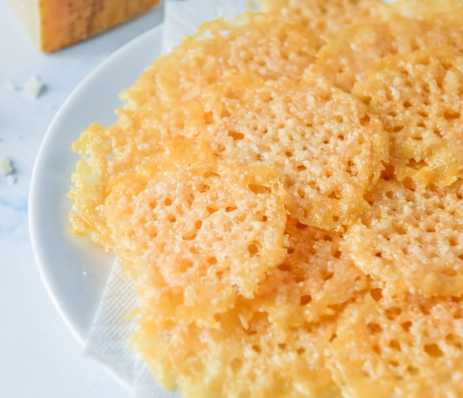
The Bake & The Cool
Bake for 3 to 5 minutes. Yes, the window is small. Start checking at 3 minutes. You're looking for melted cheese with a deep golden color around the edges and a bubbly, lacy center. The edges will be slightly darker than the center.
Here's the pro move most miss: They are not crisp when they come out of the oven. They're molten, flexible cheese disks. If you try to move them now, they'll stretch and deform.
Pull the tray out and let them cool on the sheet for a full 2-3 minutes. As they cool, they solidify and crisp up. Then, and only then, transfer them to a wire rack or paper towel to finish cooling completely. This patience is the difference between chewy and crunchy.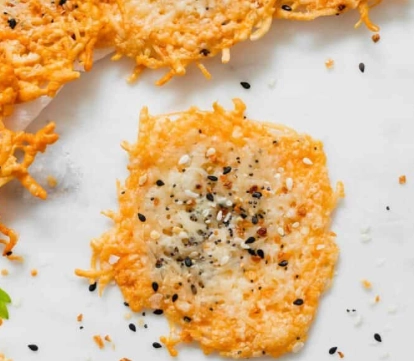
3 Common Mistakes That Ruin Texture
Mistake 1: Using pre-shredded "green can" cheese. We covered this. It's the number one reason for failure. The cellulose creates a barrier. Just don't do it.
Mistake 2: Overcrowding the pan. If the mounds are too close, they melt into one giant, uneven cheese sheet that's impossible to portion and cools unevenly.
Mistake 3: Trying to lift them hot. I know it's tempting. Wait. Let the chemistry happen. The proteins and fats need that minute to restructure into a crisp.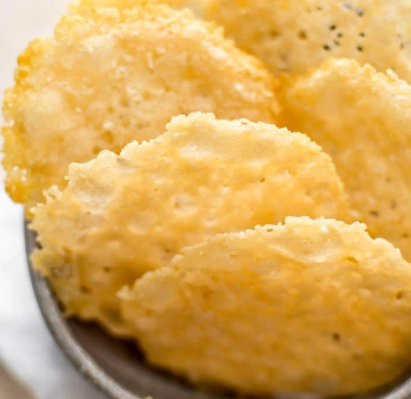
Beyond Basic: Flavor Variations & Serving Ideas
The basic crisp is a blank, cheesy canvas. Once you've mastered it, play around. Add your mix-ins before baking, sprinkling them over the cheese mound.
Italian Herb
A pinch of dried oregano, rosemary, or Italian seasoning blend. Perfect for serving with marinara as a dip.
Everything Bagel
A sprinkle of everything bagel seasoning. This is a crowd-pleaser for brunch spreads.
Spicy Kick
A few flakes of crushed red pepper or a dusting of smoked paprika. Great with a cold beer.
Black Pepper & Lemon Zest
Freshly cracked black pepper and a tiny bit of finely grated lemon zest. Incredibly bright and good with seafood salads.
Serving them is half the fun. I love using them as edible spoons for chicken salad. Or layer them with prosciutto and a fig for an instant canapé. Crumble them over creamy pasta for texture.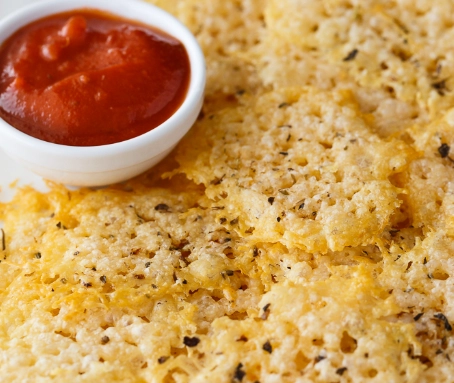
Storing and Reheating (Yes, It's Possible)
They lose their perfect snap after a day exposed to air. Store them in an airtight container at room temperature for 2-3 days, with a paper towel underneath to absorb any residual oil. Don't refrigerate, as moisture is the enemy of crispness.
If they soften, you can revive them. Place them on a baking sheet in a 350°F (175°C) oven for 2-3 minutes, then let them cool again. They'll crisp right back up.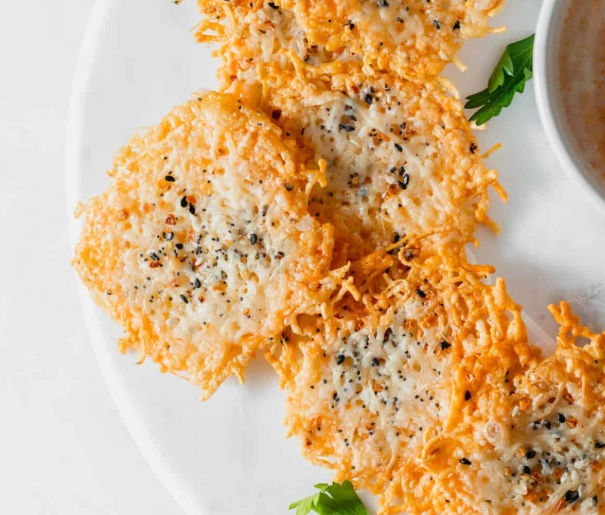
Reader Comments