You've seen the Instagram-perfect containers. You've heard coworkers swear by their Sunday ritual. But when you're staring down another week of the same chicken, rice, and broccoli, a nagging question pops up: is this actually good for me? The short, unsatisfying answer is: it depends completely on what you put in those containers and how you put it there. Meal prep isn't a magic health spell. Done mindfully, it's the ultimate tool for controlled, nutritious eating. Done poorly, it's just a efficient system for delivering bland, repetitive, and sometimes surprisingly unhealthy food.
Let's cut through the hype. A healthy meal prep lunch isn't defined by the container's color or the day you cook. It's defined by balance, nutrient density, and sustainability. I've been coaching people on meal prep for over a decade, and the biggest mistake I see isn't a lack of effort—it's a misunderstanding of what "healthy" really means in this context.
What's Inside This Guide?
What Makes a Meal Prep Lunch Healthy or Unhealthy?
Think of meal prep as a vehicle. You can use a reliable car to get to the gym or to drive through multiple fast-food joints. The vehicle itself is neutral; the destination is up to you. The health quotient of your lunch hinges on a few key pillars.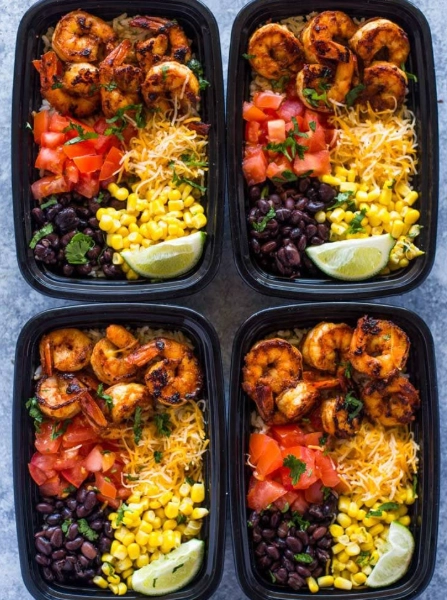
The Good: How Meal Prep Can Supercharge Your Health
When you're in control, amazing things happen. Portion control becomes effortless. You decide exactly how much olive oil goes into the pan, not a rushed restaurant chef. You consciously include vegetables because you planned for them, avoiding the 3 PM vending machine crash. This control directly supports weight management goals and stable energy levels. Studies referenced by sources like the Academy of Nutrition and Dietetics consistently show that planning meals is linked to better diet quality and healthier body weights.
You also dramatically reduce your reliance on processed convenience foods. That pre-packaged "healthy" frozen meal? Check the sodium. Your homemade version will almost always win.
There's a financial benefit too. Buying ingredients in bulk and using them across multiple meals is simply cheaper than daily takeout. But the biggest win is mental. The "what's for lunch?" stress evaporates. That decision fatigue is real, and prepping removes it.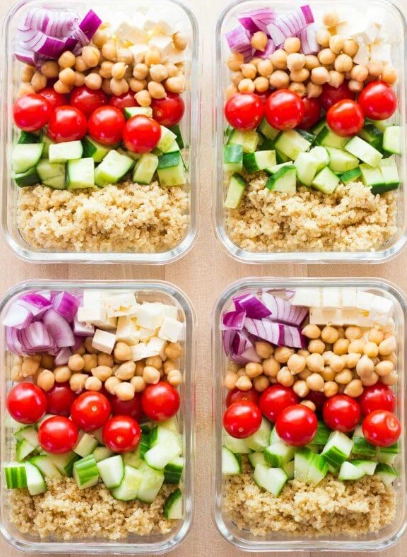
The Potential Pitfalls: When Meal Prep Goes Wrong
Here's where many well-intentioned people stumble. The first pitfall is nutrient degradation. Not all foods hold up for 4-5 days. Spinach wilts and gets soggy. Cooked fish can develop off-flavors. If you're eating mushy, unappetizing food by Thursday, you're more likely to ditch it for something else.
The second is monotony. Eating identical meals daily can lead to nutritional gaps and, frankly, burnout. If you hate your food by Wednesday, the system has failed.
The third, and most critical, is hidden calorie and sodium bombs. This is the expert blind spot. People focus on the main protein but drown it in a sugary glaze or a cream-based sauce. They use healthy fats like avocado or nuts but portion them like they're calorie-free. A tablespoon of olive oil is 120 calories. That "light" dressing you made? If you don't measure, it can easily double the calories you think you're adding.
The Non-Consensus View: Everyone warns about soggy veggies. Few talk about healthy fat portion creep. Adding avocado, cheese, nuts, and olive oil is great—individually. But pile them all into one container without measuring, and you can accidentally create a 800-calorie "healthy" lunch that stalls your progress. It's the number one mistake I correct with clients who swear they're eating clean but aren't seeing results.
How to Build a Truly Healthy Meal Prep Lunch: A Step-by-Step Guide
Forget rigid recipes for a second. Think in terms of a flexible formula. This framework ensures balance every time, even when you swap ingredients.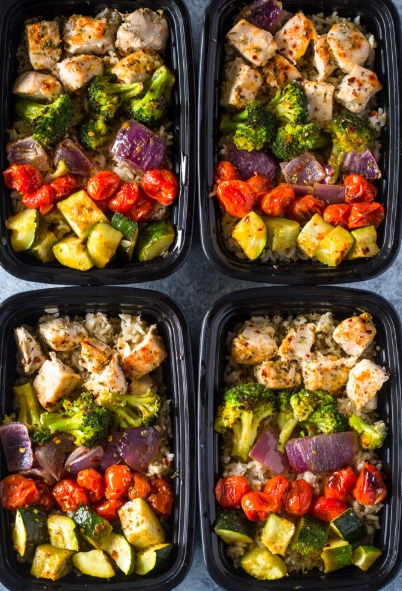
The Healthy Plate Formula: Visualize your container divided. ½ Non-Starchy Vegetables (broccoli, peppers, zucchini, leafy greens). ¼ Lean Protein (chicken breast, tofu, lentils, fish). ¼ Complex Carbohydrate (quinoa, sweet potato, brown rice, farro). Then add a thumb-sized portion of healthy fat (avocado slice, sprinkle of seeds, side of nuts).
Let's get tactical. Sunday afternoon rolls around. What do you actually do?
1. Choose Your Warriors Wisely. Pick proteins and carbs that reheat well. Shredded chicken, meatballs, baked tofu, chickpeas. For carbs, quinoa and roasted sweet potatoes beat steamed white rice, which turns gluey. For veggies, roast them. Roasted Brussels sprouts or cauliflower keep texture far better than steamed.
2. Sauce and Dress Separate. This is non-negotiable. Keep wet ingredients—sauces, dressings, salsas—in tiny containers. Add them just before eating. Your grilled chicken won't be soggy, and your kale won't wilt.
3. The Layering Trick. In your main container, place the sturdiest, driest items at the bottom (grains, roasted veggies). Place more delicate items (greens, fresh herbs) at the top or in a separate small compartment if your container has one.
4. Flavor Without the Bloat. Instead of salt-heavy sauces, use acids and aromatics. A big squeeze of lemon juice, a dash of vinegar, fresh herbs, garlic, ginger, spices. They add massive flavor for minimal calories and zero sog.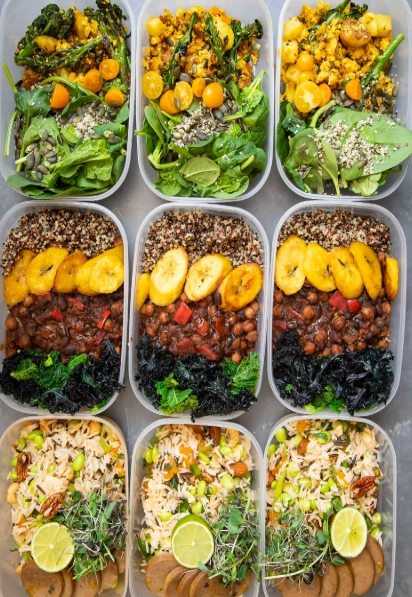
The 3 Most Common (and Sneaky) Meal Prep Mistakes
Beyond the fat portioning issue, here are other traps.
| Mistake | Why It's a Problem | The Simple Fix |
|---|---|---|
| Cooking Everything into One Pot | Flavors muddle, textures disintegrate, and you're stuck with a monotonous mush. It also makes it hard to control the ratio of ingredients. | Cook components separately. Roast veggies on one tray, bake protein on another, simmer grains on the stove. Combine in the container. |
| Ignoring Fiber & Micronutrients | A lunch of chicken, white rice, and a few broccoli florets is bland and lacks the fiber and vitamins needed for satiety and health. | Follow the ½-veg rule. Incorporate different colored vegetables throughout the week (e.g., orange peppers, purple cabbage, dark greens). |
| Prepping Too Far in Advance | Food safety and quality decline. By day 5, you're pushing it with most cooked proteins and delicate veggies. | Prep for 3-4 days max. Do a mid-week mini-prep if needed, or freeze portions meant for Thursday/Friday immediately after cooking. |
I learned the one-pot lesson the hard way. Early on, I made a giant "healthy" chili with every bean and vegetable I had. By Wednesday, it was a flavorless, brown sludge that I dreaded. Now, I keep components distinct.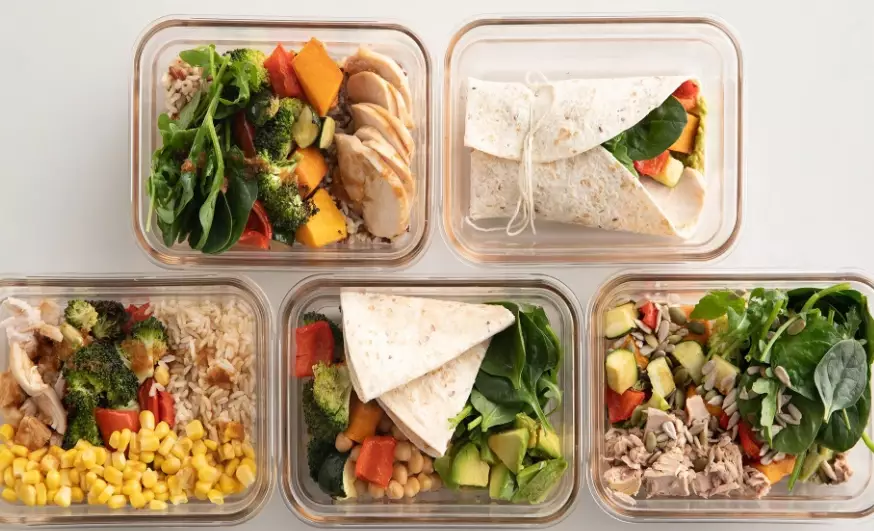
A Real-World Example: Deconstructing Two Meal Prep Lunches
Let's make this concrete. Here are two lunches, both prepped on Sunday for Monday.
Lunch A (The "Looks Healthy" Trap): Container holds: 6 oz grilled chicken breast (good), 1.5 cups of white rice (refined carb), a half-cup of steamed broccoli (not enough veg). It's topped with a generous "healthy" glaze made from 3 tablespoons of store-bought teriyaki sauce. Let's tally the hidden issues: White rice offers little fiber, leading to an energy crash. The tiny portion of broccoli misses the micronutrient mark. That teriyaki sauce? It could pack 15+ grams of sugar and nearly 1000mg of sodium per serving. This meal is high in protein but lacks balance, fiber, and has a sky-high hidden sugar/sodium load.
Lunch B (The Balanced Approach): Container holds: 4 oz lemon-herb baked salmon (protein + healthy fats), ¾ cup of quinoa mixed with chopped parsley (complex carb + flavor), a massive portion of roasted rainbow vegetables—bell peppers, zucchini, and red onion (½ the container, full of fiber and vitamins). On the side, a small container with 2 tbsp of a simple Greek yogurt-dill sauce for dipping. The difference is night and day. The balance is there: protein, quality carb, tons of veggies, healthy fats from the salmon. Flavors are bright and separate. The sauce is controlled and protein-based, not sugar-based.
Lunch B supports sustained energy, satiety, and nutrient intake. Lunch A sets you up for an afternoon slump and hidden sugar spikes.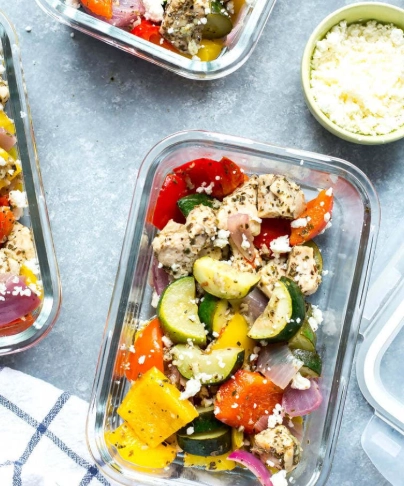
Your Meal Prep Health Questions, Answered
So, are meal prep lunches healthy? They can be one of the healthiest habits you adopt—if you build them with intention. It's not about the act of prepping itself, but the nutritional intelligence you apply to it. Ditch the all-or-nothing mindset. Start with one balanced recipe. Master the component method. Pay attention to portions, especially fats and sauces. Your future self, enjoying a crisp, flavorful, energy-sustaining lunch on a busy Wednesday, will thank you.
Reader Comments