Let's be honest. Most of us crave something sweet after dinner, but the thought of heavy cream, cups of sugar, and a lengthy baking process can be a major turn-off. That's where whipped yogurt mousse comes in. It's not just a "healthy alternative"—it's a genuinely superior dessert in its own right. Airy, tangy, refreshingly light, and deceptively simple to make. I've been perfecting this recipe for years, moving beyond the basic blend-and-chill formula to something that consistently delivers a cloud-like texture. This guide will walk you through exactly how to do that, avoiding the common pitfalls that lead to a dense or weepy mousse.
What You'll Find in This Guide
What Exactly Is Whipped Yogurt Mousse?
Think of it as the elegant, healthier cousin of traditional chocolate mousse. Instead of relying on raw eggs and vast quantities of heavy cream for structure, a whipped yogurt mousse gets its volume from whipped egg whites or cream, stabilized by gelatin or a plant-based alternative, and flavored primarily with thick, strained yogurt. The result? A dessert that's rich in protein and probiotics, lower in fat and sugar, and has a clean, bright flavor profile that doesn't leave you feeling sluggish.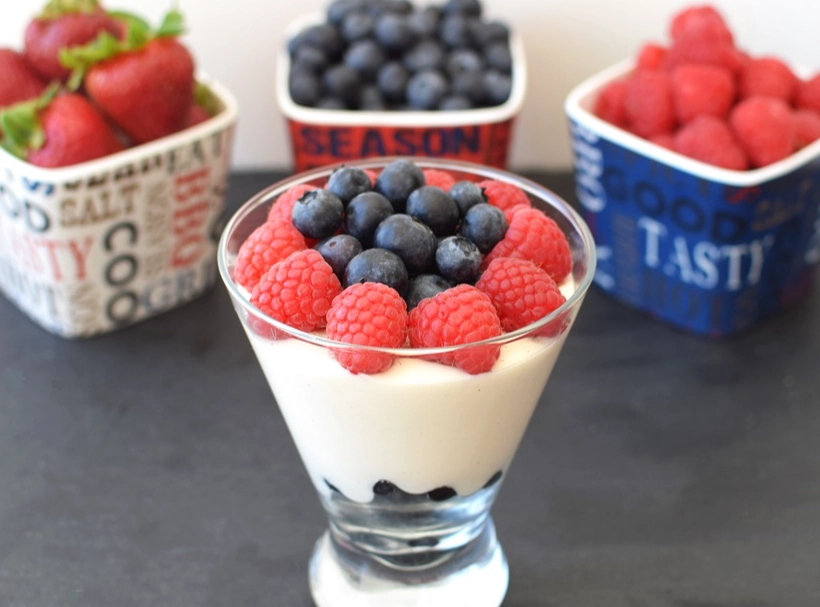
Its versatility is its superpower. It can be a sophisticated finale to a dinner party served in elegant glasses, a quick weeknight treat layered with granola and berries, or even used as a filling for cakes and pastries. The texture, when done right, should be smooth, consistently airy, and melt on your tongue.
The Essential Ingredients & Why They Matter
Success starts with choosing the right components. Swapping any of these can dramatically alter your final product.
| Ingredient | Role & Best Choice | What to Avoid |
|---|---|---|
| Yogurt | Greek yogurt or labneh. The thick, strained texture is non-negotiable. It provides the tangy base and body without excess water. Full-fat versions yield a richer mouthfeel, but low-fat works if you drain it further. | Regular runny yogurt, drinkable yogurt, or yogurt with fruit-on-the-bottom. The extra liquid will ruin the set. |
| Sweetener | Powdered sugar (icing sugar) or fine honey/maple syrup. Powdered sugar dissolves instantly and contains cornstarch, which aids stability. Liquid sweeteners must be warmed and mixed thoroughly. | Granulated sugar. It won't dissolve fully in the cold yogurt, leaving a gritty texture. |
| Aerator | Egg whites (for ultimate lightness) or heavy cream (whipping cream) (for richer flavor). Egg whites give a fat-free, cloud-like foam. Cream adds a subtle dairy richness. | Aquafaba (chickpea water) can work as a vegan substitute, but it often yields a less stable foam that deflates faster. |
| Stabilizer | Gelatin (classic) or agar-agar (vegetarian). This is the secret to a mousse that holds its shape for days, not hours. It prevents syneresis (weeping). | Skipping it entirely. Your mousse will be a delicious but soupy mess after a short time in the fridge. |
| Flavoring | Pure vanilla extract, citrus zest, or high-quality fruit puree. These add depth without water. Cocoa powder must be sifted. | Extracts with alcohol as the primary ingredient (they can taste harsh). Adding chunks of fresh fruit directly to the base (they sink and release water). |
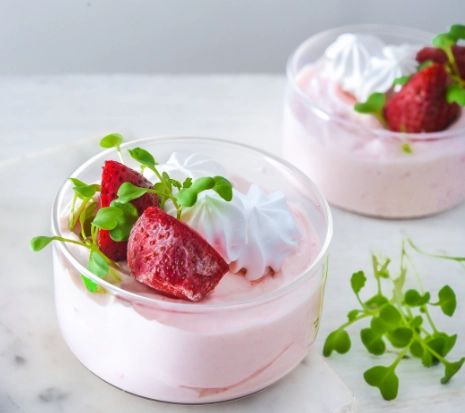
How to Make Whipped Yogurt Mousse: A Step-by-Step Guide
Here's my fail-proof method using the egg-white technique for maximum volume. Active time is about 20 minutes.
1. Prepare the Stabilizer
Bloom 2 teaspoons of powdered gelatin in 3 tablespoons of cold water in a small ramekin. After 5 minutes, gently heat the mixture (using a double-boiler or microwave in 5-second bursts) until it becomes a clear liquid. Set aside to cool slightly but not set. This is your insurance policy against a runny mousse.
2. Build the Yogurt Base
In a large bowl, whisk together 500g (about 2 cups) of full-fat Greek yogurt with 80g (⅔ cup) of sifted powdered sugar and 1 teaspoon of vanilla extract until completely smooth and the sugar is undetectable. If using honey, warm it slightly first. The mixture should be thick but spreadable.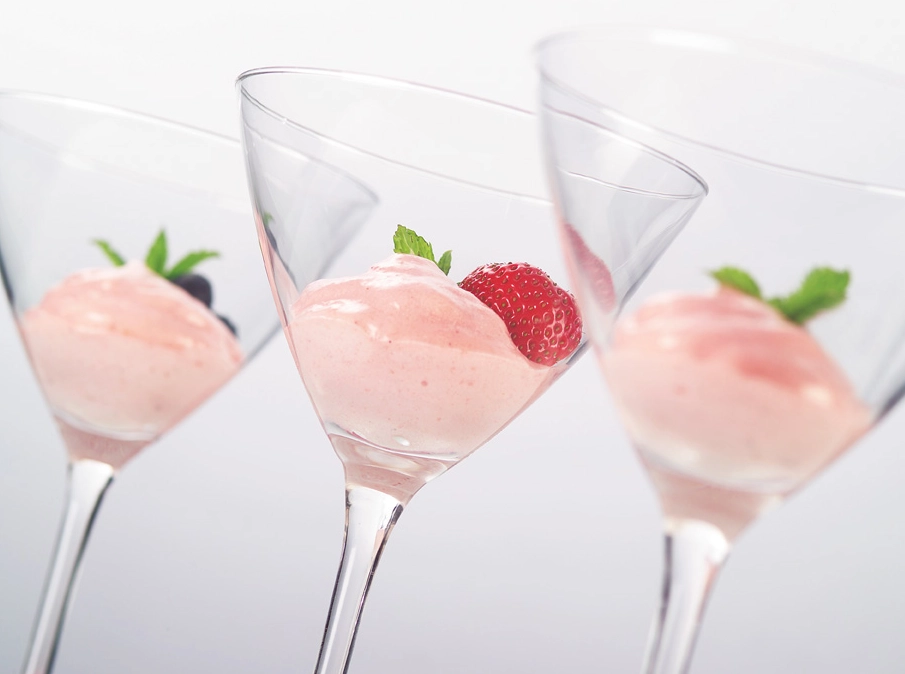
3. The Critical Fold
Take your slightly cooled, liquid gelatin and stream it into the yogurt base while whisking constantly. This ensures even distribution. Now, in a scrupulously clean, grease-free bowl, whip 3 large egg whites with a pinch of cream of tartar (or a few drops of lemon juice) until you reach stiff, glossy peaks. Using a large spatula, add about one-third of the egg whites to the yogurt and whisk vigorously to lighten the base. This step is crucial—it makes the dense yogurt more accepting of the foam. Then, gently fold in the remaining egg whites until just combined. No white streaks, but don't overmix and deflate the air.
4. Set and Serve
Immediately divide the mousse among serving glasses or a large dish. Tap the containers gently on the counter to remove large air bubbles. Refrigerate for at least 4 hours, ideally overnight, to allow the gelatin to set fully. The patience is worth it.
Expert Tips & Tricks for the Perfect Texture
This is where experience talks. I've seen (and made) all the mistakes.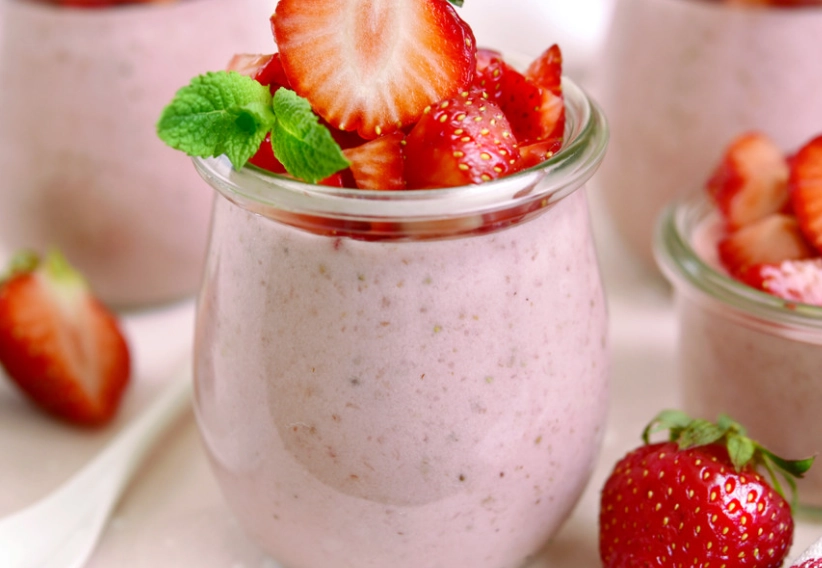
- The Temperature Tango: Your yogurt base and whipped egg whites should be as close in temperature as possible. If the yogurt is ice-cold and the gelatin mixture is hot, you risk seizing the gelatin into little rubbery threads. Let the yogurt sit out for 15 minutes after taking it from the fridge.
- "Stiff Peaks" Means Business: When whipping egg whites, they should stand straight up when you lift the whisk. If the tip curls over, keep going. Under-whipped whites can't support the structure.
- Folding is a Gentle Art: Use a cutting-and-scooping motion with your spatula, rotating the bowl. The goal is to incorporate, not to stir. Stop the second you see no more distinct blobs of white.
- The Drain Test: If you're unsure about your yogurt's thickness, line a sieve with cheesecloth, dump the yogurt in, and let it drain over a bowl in the fridge for 1-2 hours. You'll be amazed at how much whey comes out, resulting in an even denser, creamier mousse.
One common failure point is adding juicy fruit puree directly. It introduces too much water and can interfere with the gelatin. Instead, make a concentrated compote or coulis and layer it at the bottom of the glass or swirl it gently on top after filling.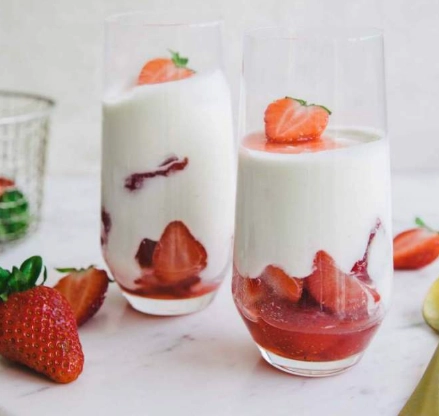
5 Creative Variations to Keep It Exciting
The basic recipe is a blank canvas. Here are my favorite twists.
Lemon-Berry Swirl: Fold the zest of two lemons into the yogurt base. After filling glasses, drop small spoonfuls of mashed raspberries or a quick blueberry compote on top and use a skewer to swirl.
Mocha Delight: Sift 2 tablespoons of high-quality cocoa powder and 1 tablespoon of instant espresso powder into the powdered sugar before mixing with the yogurt.
Tropical Coconut: Replace half the yogurt with well-stirred, full-fat coconut cream. Use honey as the sweetener and fold in finely chopped dried mango or toasted coconut flakes.
Chai-Spiced: Steep 2 chai tea bags in the 3 tablespoons of hot water you use for the gelatin. Let it cool completely, then use this strongly flavored tea to bloom your gelatin.
Savory Herb (for a cheese course): Omit the sugar and vanilla. Use labneh, season with salt, pepper, and finely chopped fresh dill or chives. Fold in the whipped cream version. Serve with crisp crackers.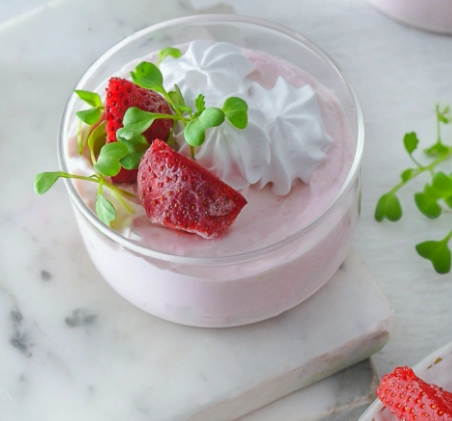
Your Whipped Yogurt Mousse Questions, Answered
My whipped yogurt mousse turned out grainy. What happened?
This almost always traces back to undissolved sugar. Granulated sugar is the usual culprit. Always use powdered sugar (sifted to remove lumps) or ensure liquid sweeteners are fully incorporated into the yogurt before adding anything else. If using gelatin, graininess can also occur if the gelatin wasn't fully dissolved before mixing or if it was added when too hot and caused the dairy to curdle slightly.
Can I make a vegan whipped yogurt mousse?
Yes, but manage your expectations on texture. Use a thick, plant-based Greek-style yogurt (almond or coconut based). For the aerator, whip chilled full-fat coconut cream or use aquafaba. Agar-agar is your stabilizer, but follow package instructions precisely—it requires boiling to activate, which is a different process than gelatin. The mousse will be set but often slightly denser and less "melting" than the dairy/egg white version.
How long does homemade yogurt mousse last in the fridge?
Properly made with a stabilizer, it keeps beautifully for 3-4 days. Without gelatin, it's best eaten within 24 hours as it will start to separate. Always store it covered with plastic wrap directly on the surface to prevent a skin from forming.
My mousse is too runny even after chilling overnight. Can I fix it?
If it's completely liquid, it's likely a stabilizer failure (gelatin not activated, agar not boiled). Sadly, it can't be rescued as a mousse. But all is not lost—pour it into popsicle molds for fantastic frozen yogurt pops, or use it as a delicious topping for pancakes or waffles. For next time, double-check your gelatin measurements and blooming process.
What's the difference between using whipped cream vs. egg whites?
Whipped cream (35% fat) yields a richer, more decadent flavor and a slightly denser, velvety texture. It's more forgiving to fold. Egg whites create a lighter, airier, almost fat-free foam with a cleaner yogurt taste. They require more care to avoid deflating. For a dinner party where I want a "wow" factor of lightness, I use egg whites. For a cozy, indulgent feel, I opt for cream.
Reader Comments