Let's be honest. The idea of a "healthy breakfast" often crumbles before the reality of a 7 AM alarm clock. You're faced with a choice: grab a sugary pastry, skip it entirely, or spend precious minutes you don't have cooking. There's a better way. A healthy, make-ahead breakfast burrito, stashed in your freezer, is the ultimate solution. It's not just convenient; it's a strategic move for your nutrition and sanity. This guide isn't about a single recipe. It's a system. We'll dive into the principles of building a truly nutritious burrito, the step-by-step assembly line for efficiency, and the expert-level tricks to avoid the soggy, bland pitfalls that ruin most freezer meals. I've been making these for years, and I've learned the hard way so you don't have to.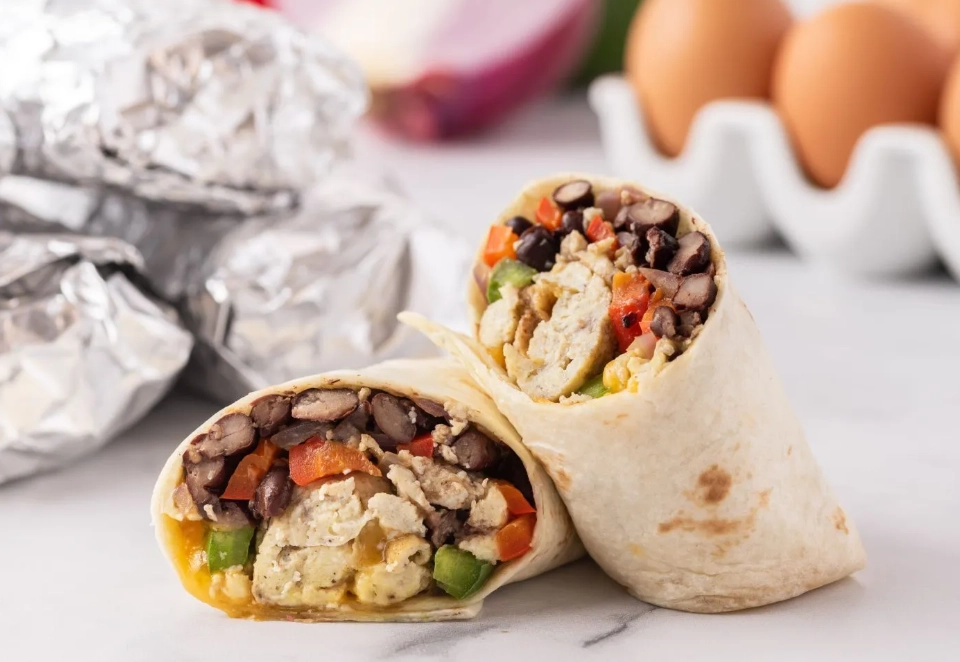
What's Inside This Guide
Why Breakfast Burritos Beat Every Other Meal Prep Option
You could meal prep oatmeal cups or egg muffins. But the burrito has distinct advantages. It's a complete, hand-held meal. The tortilla acts as edible packaging, holding a perfect balance of protein, complex carbs, fiber, and healthy fats. This combo is key for sustained energy, something a carb-heavy muffin can't promise.
From a meal prep standpoint, burritos are incredibly space-efficient in the freezer. They stack neatly. They reheat in minutes from frozen. And the flavor possibilities are endless, which prevents "meal prep burnout." One week you can do a Southwestern style with black beans and corn, the next a "green" version with spinach and turkey sausage.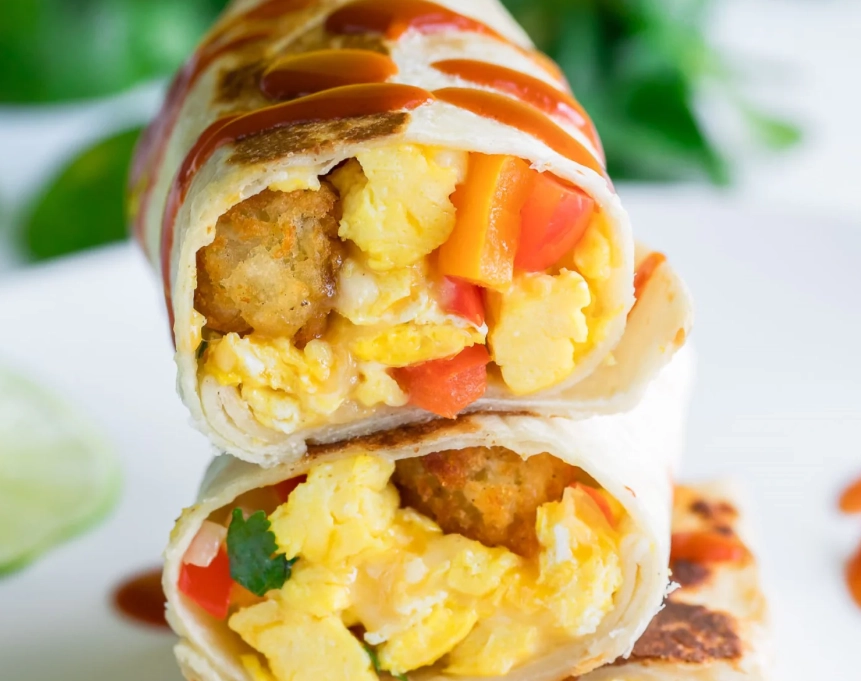
The Real Benefit Isn't Just Time. It's decision fatigue. When you're half-asleep, choosing what to eat is mental work. Having a healthy option that requires zero thought removes a barrier. You just grab, heat, and go. Consistency in healthy eating is often about removing obstacles, not just finding willpower.
The Core Principles of a Truly Healthy Burrito
"Healthy" gets thrown around a lot. For a freezer burrito, it means focusing on whole, nutrient-dense ingredients that freeze and reheat well. The goal is high volume, high satisfaction, and balanced macros.
1. The Protein Foundation: Beyond Basic Eggs
Eggs are a classic, but don't stop there. Scrambled eggs can get rubbery when frozen and reheated. My preferred method is a soft, large-curd scramble cooked just until set, almost underdone. It reheats more tenderly. For extra protein and texture, mix in:
- Black beans or pinto beans: Rinsed canned beans are fine. They add fiber and make the burrito more filling.
- Shredded chicken or turkey: Use leftover rotisserie chicken or seasoned ground turkey.
- Tofu scramble: A fantastic vegan option. Crumble extra-firm tofu and sauté with turmeric, nutritional yeast, and black salt for an "eggy" flavor.
According to the USDA's MyPlate guidelines, varying your protein sources is a key part of a healthy diet.
2. The Carb & Fiber Vehicle: Choosing Your Tortilla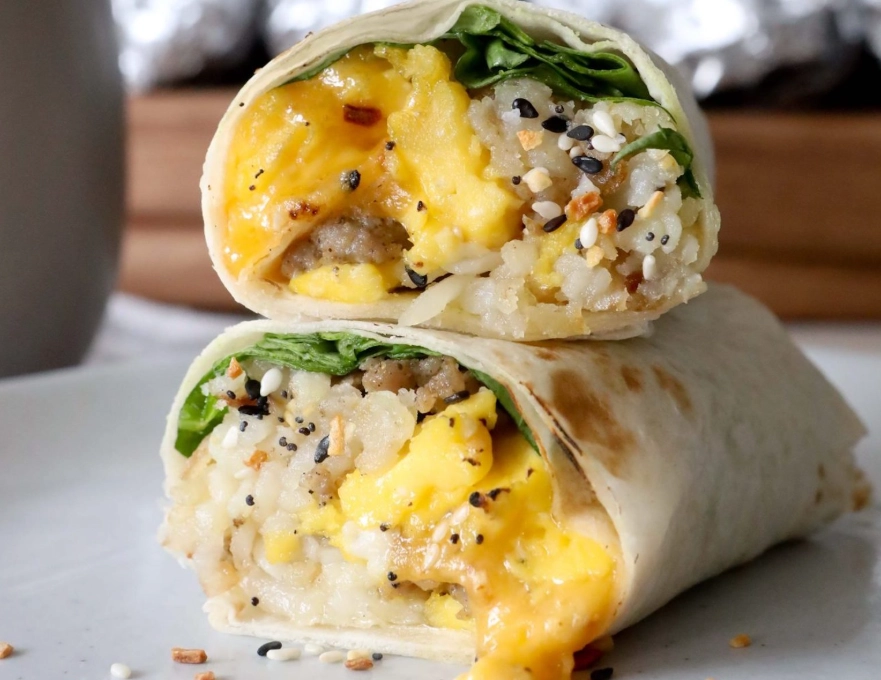
This is a major calorie and quality lever. Standard large flour tortillas can run 200+ calories of refined carbs.
- Look for whole wheat or whole grain tortillas. The first ingredient should be "whole wheat flour." They have more fiber, which slows digestion.
- Consider "low-carb" or high-fiber wraps. Many are made with ingredients like almond flour or extra fiber. They're often smaller, which helps with portion control.
- Size matters. A 10-inch tortilla is the sweet spot for a substantial but not overwhelming burrito. Larger ones become impossible to roll tightly.
3. The Vegetable Bounty: Flavor, Color, and Nutrients
This is where you pack in the vitamins and add moisture (carefully). The trick is to use vegetables that release minimal water when reheated.
- Best (Low-Moisture): Sautéed spinach (wilted and squeezed dry), roasted bell peppers and onions, corn kernels, sun-dried tomatoes (chopped).
- Use Sparingly or Pre-Cook Thoroughly: Mushrooms (sauté until all liquid evaporates), fresh tomatoes (seeds and pulp removed), zucchini (grilled or roasted).
4. The Flavor & Fat Finishers
Healthy fat is essential for satiety and absorbing fat-soluble vitamins. Skip the gloopy, high-sodium store-bought sauces.
- Cheese: Shredded sharp cheddar, pepper jack, or cotija. A little goes a long way for flavor. Pre-shredded cheese contains anti-caking agents that can make it less melty; block cheese you shred yourself is superior.
- Healthy Fats: A quarter of an avocado mashed into the burrito (adds creaminess), or a drizzle of a simple sauce made from Greek yogurt, lime juice, and cilantro.
- Seasoning: Don't be shy. Cumin, smoked paprika, chili powder, garlic powder, and fresh herbs like cilantro make a world of difference.
| Ingredient Category | Healthy Choice Examples | Common Pitfall to Avoid |
|---|---|---|
| Protein | Eggs, black beans, shredded chicken, tofu scramble | Overcooked, rubbery scrambled eggs; high-fat sausage |
| Tortilla | Whole wheat, almond flour, high-fiber wrap (10-inch) | Large white flour tortillas (refined carbs) |
| Vegetables | Roasted peppers/onions, wilted spinach, corn | Raw veggies that release water (tomato, cucumber) |
| Cheese & Fat | Sharp cheddar (small amount), avocado, Greek yogurt sauce | Heavy cream cheese, sour cream, oily sauces |
| Seasoning | Cumin, smoked paprika, fresh cilantro, lime juice | Relying only on salt; bland flavor profile |
Your Foolproof Make-Ahead Assembly Guide
This is the process I use every other Sunday. It takes about 90 minutes and yields 12-14 burritos. Set up your kitchen like an assembly line.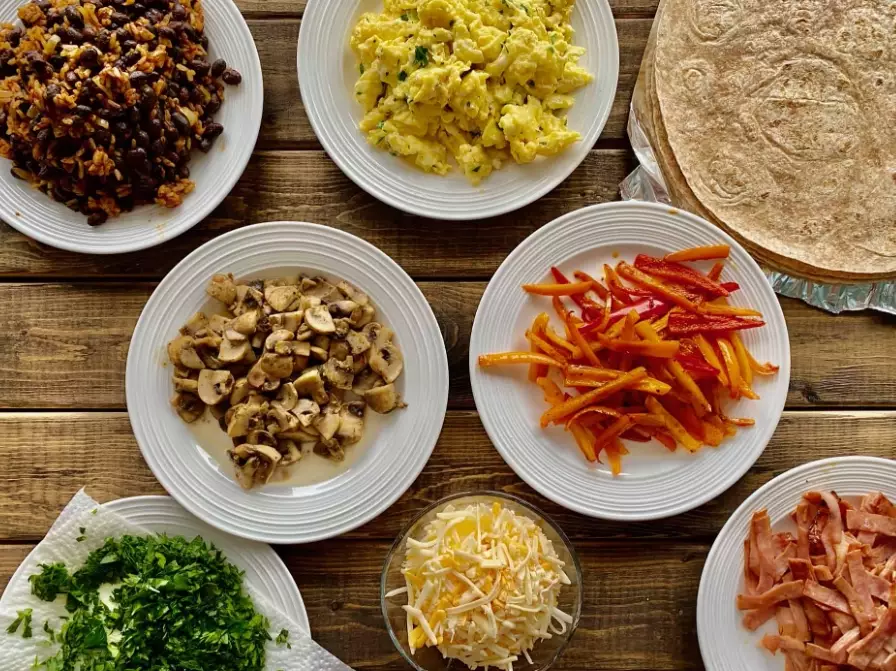
Phase 1: Prep All Components (The "Mise en Place")
- Cook your protein. Scramble 10-12 eggs gently. In a separate pan, sauté a pound of ground turkey with taco seasoning, or cook a package of diced tofu.
- Roast your vegetables. Chop 2 bell peppers and 1 large onion, toss with a little oil, salt, and pepper, and roast at 400°F (200°C) for 20-25 minutes until tender and slightly charred.
- Prepare beans. Rinse and drain two 15-oz cans of black beans.
- Shred cheese. Get about 2 cups from a block.
- Make a sauce (optional). Mix 1 cup plain Greek yogurt with juice of 1 lime, a handful of chopped cilantro, and a pinch of salt.
Let everything cool completely. This is non-negotiable. Putting hot fillings into a tortilla creates steam, which turns to ice crystals in the freezer, leading to a soggy mess upon reheating. Spread components on baking sheets to speed cooling.
Phase 2: The Assembly Line
Lay out tortillas on a clean surface. Have all your cooled fillings in bowls. I follow this layering order for structural integrity:
- Base layer: A small spoonful of Greek yogurt sauce or mashed avocado spread in the center.
- Protein & Beans: A scoop of eggs/tofu and a scoop of beans.
- Vegetables: A generous portion of roasted peppers and onions.
- Cheese: A sprinkle of cheese on top (it will melt downward when reheated).
Phase 3: The Rolling Technique
This is critical for a burrito that doesn't fall apart. Fold the sides in over the filling, then roll tightly from the bottom up, tucking the filling in as you go. You want a snug, cylindrical package.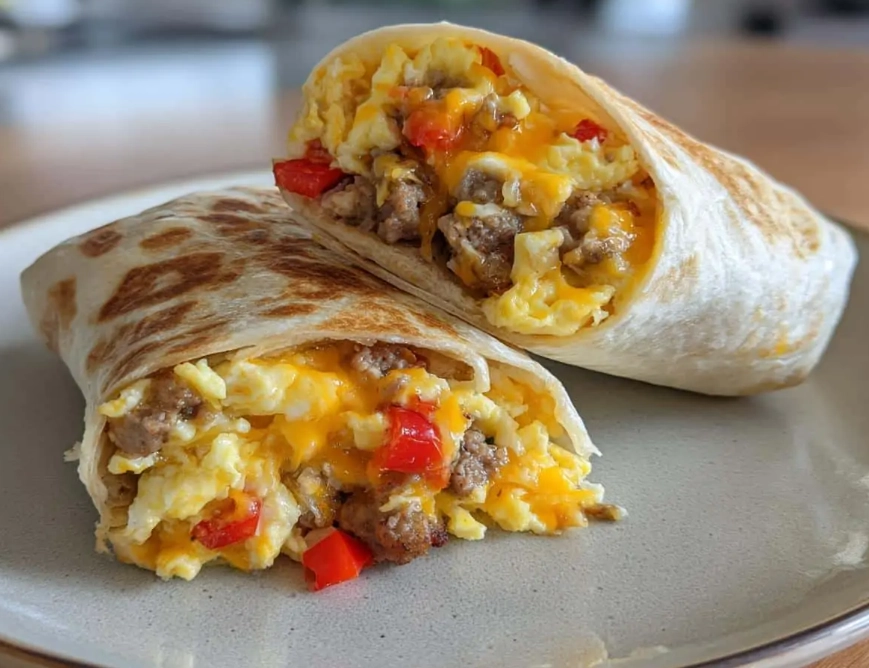
Phase 4: Wrapping for the Freezer
Do not use foil directly on the burrito if you plan to microwave reheat. Here's the best method:
- Wrap each burrito tightly in parchment paper. This prevents freezer burn and allows for microwave reheating.
- Place all parchment-wrapped burritos into a large, labeled freezer bag. Squeeze out excess air.
- Freeze flat for up to 3 months for best quality.
Pro Tips for Cooking & Assembly (Avoid Sogginess!)
Here's where my years of trial and error pay off for you. The single biggest complaint about freezer burritos is sogginess. Here’s how to beat it.
The Egg Texture Secret: Cook your scramble low and slow. Remove them from the heat while they still look a bit wet and underdone. They'll finish cooking from residual heat. This results in a tender, not rubbery, texture after freezing and reheating.
Vegetable Pre-Treatment: For any vegetable with high water content (spinach, mushrooms, zucchini), you must cook the water out before assembly. Sauté spinach until it wilts, then literally squeeze it in a clean kitchen towel to remove as much liquid as possible. Roast or sauté other veggies until they are tender and any released liquid has evaporated.
The Cheese Barrier: A little cheese sprinkled on top of the other fillings acts as a moisture barrier when it melts, helping to keep the tortilla from getting soggy from the fillings below.
Cooling is King: I can't stress this enough. Let every component reach room temperature. Even the warmth from freshly shredded cheese can cause condensation inside your wrap.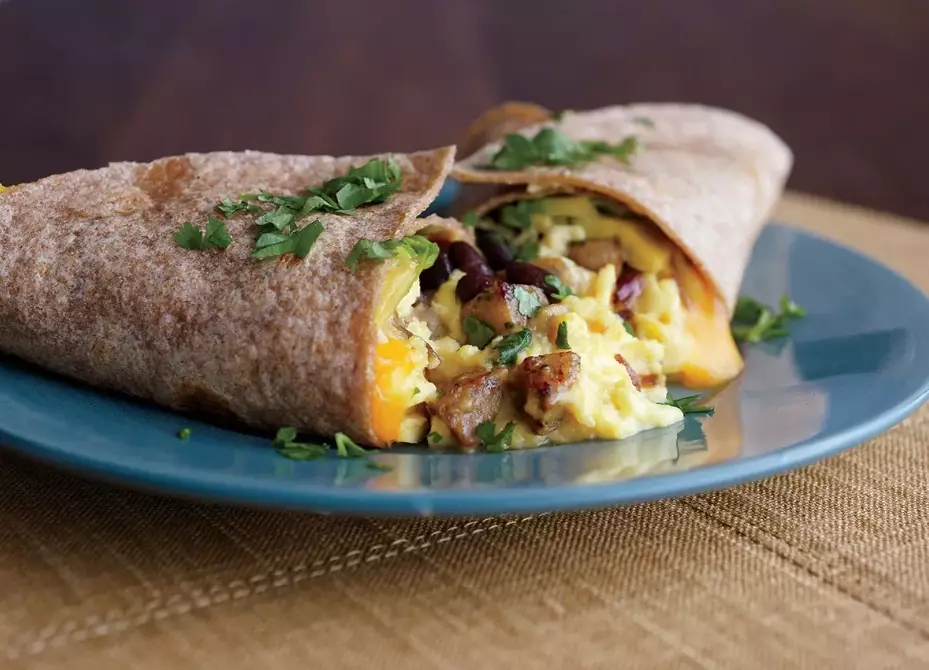
How to Store and Reheat for Perfect Results Every Time
You've done the work. Don't ruin it with bad reheating.
Best Method: Oven or Air Fryer (For Crispy Tortilla)
- Preheat oven or air fryer to 375°F (190°C).
- Remove parchment paper, wrap burrito loosely in foil.
- Heat for 25-30 minutes from frozen (20 mins in air fryer), until internal temperature reaches 165°F (74°C).
- For the last 5 minutes, unwrap foil to crisp the tortilla.
Fast Method: Microwave (Convenience First)
- Remove parchment paper. Wrap burrito in a damp paper towel.
- Microwave on high for 2 minutes.
- Flip, microwave for another 1-1.5 minutes.
- Let it sit in the paper towel for 1 minute to absorb steam and finish heating evenly.
The damp paper towel is crucial. It rehydrates the tortilla without making it soggy and steams the fillings hot. Without it, you get a tough, chewy tortilla and cold center.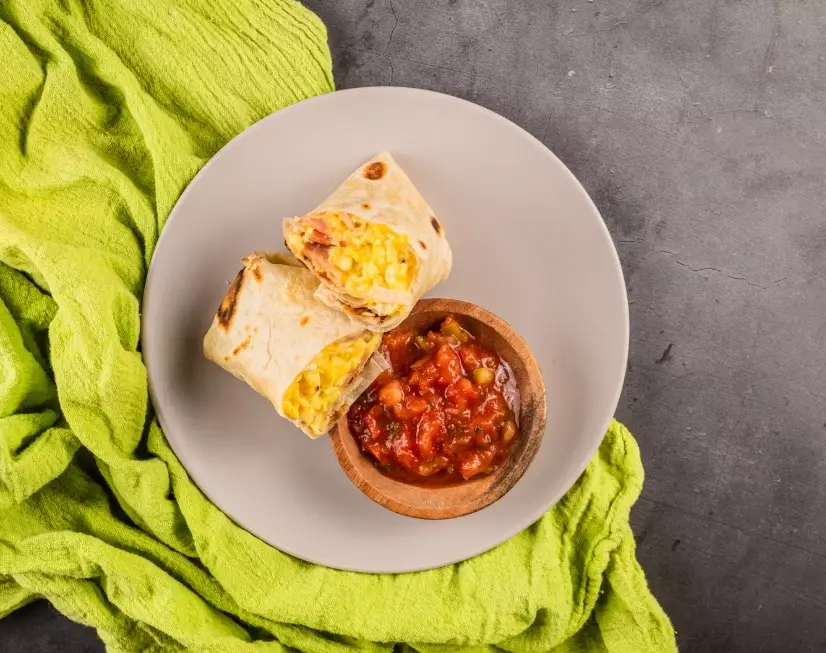
Your Breakfast Burrito Questions, Answered
How do I prevent my make-ahead breakfast burritos from getting a soggy, wet tortilla after reheating?
What's the best way to reheat a frozen breakfast burrito to get the tortilla crispy again?
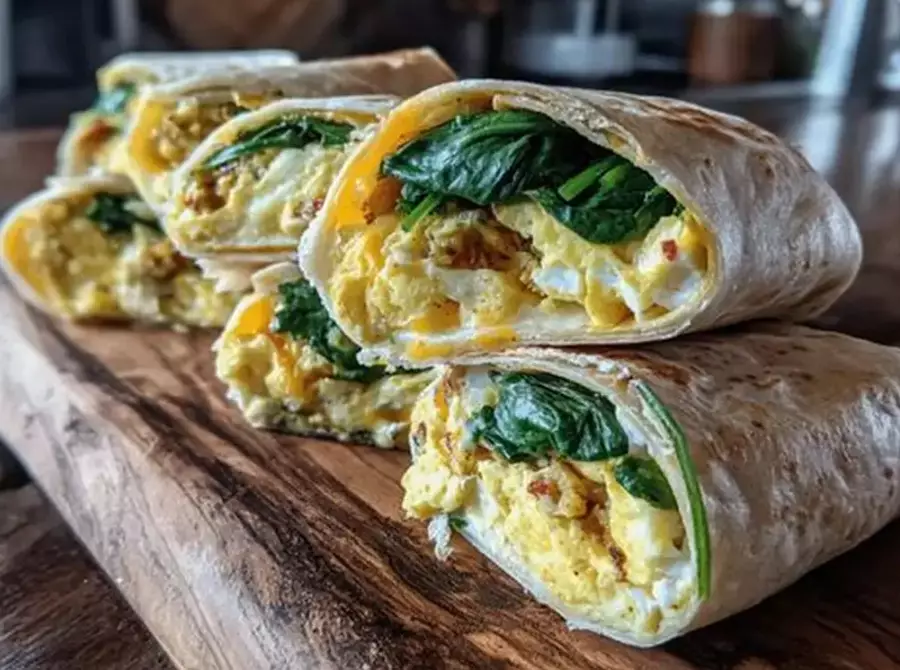 Can I make healthy breakfast burritos ahead for specific diets like keto, gluten-free, or vegan?
How long do homemade breakfast burritos actually last in the freezer before quality declines?
Is it cheaper to make healthy breakfast burritos at home compared to buying frozen ones or eating out?
Reader Comments