Let's be honest. Cooking quinoa on the stovetop can feel like a high-stakes game. You're watching the pot, timing it perfectly, hoping you don't end up with a soggy mess or, worse, a burnt bottom. What if I told you there's a way to get perfectly fluffy, separate quinoa grains every single time, with the same effort as making a pot of rice? Your rice cooker is the secret weapon you've been overlooking.
I learned this the hard way. My first few attempts at quinoa were disasters. One was a bitter, soapy-tasting gloop. Another was so dry it crunched. It wasn't until I gave up on the stove and tossed it in my basic, $30 rice cooker that everything changed. Now, it's my default method for meal prep, sides, and even breakfast.
What You'll Learn
Why Your Rice Cooker is a Quinoa Game-Changer
Think about it. A rice cooker's entire purpose is to simmer grains in a precise amount of water until all the liquid is absorbed, then automatically switch to a "keep warm" mode. That's exactly what quinoa needs. It provides consistent, indirect heat and traps steam perfectly. You get hands-off cooking with zero risk of scorching.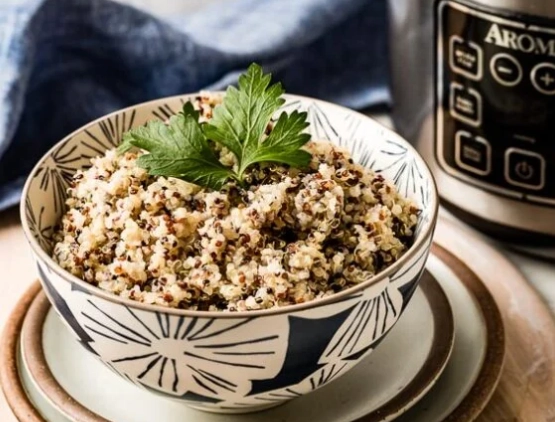
It's ideal for meal prepping a big batch on Sunday. Dump in the grains and water, press a button, and walk away for 20 minutes. You can chop vegetables, clean the kitchen, or finally watch that YouTube video without worrying about your timer.
The Foolproof Step-by-Step Guide to Rice Cooker Quinoa
This isn't just "add water and press cook." A couple of small, intentional steps make the difference between good and great quinoa.
Step 1: The Non-Negotiable Rinse
Quinoa seeds have a natural coating called saponin. It's there to protect the plant from birds and insects. To us, it tastes bitter and soapy. I've talked to so many people who hated quinoa because they skipped this step.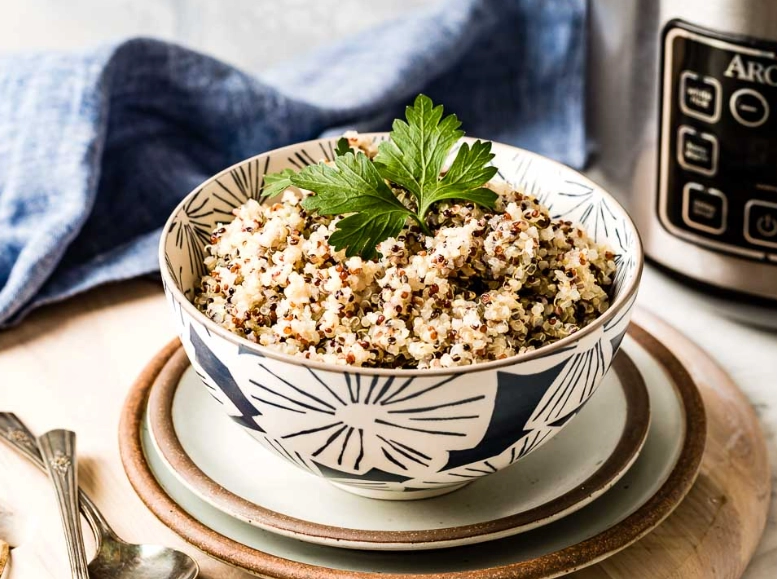
Place your quinoa in a fine-mesh strainer. Run cold water over it for a good 60 seconds, swishing it with your fingers. The water will go from cloudy to mostly clear. This removes the saponin and prevents that awful bitter aftertaste. Pat the strainer dry on a towel to remove excess water before measuring.
Step 2: The Golden Ratio (It's Not What You Think)
Most stovetop recipes call for a 1:2 quinoa-to-water ratio. Throw that out for the rice cooker. Because the lid seals so tightly and less steam escapes, you need less water.
The magic formula is: 1 cup of rinsed quinoa to 1.5 cups of water or broth.
If you're using broth instead of water, your quinoa will be infinitely more flavorful from the inside out. This ratio produces light, fluffy grains that separate easily. For a slightly more tender texture, you can go up to 1.75 cups of liquid, but I find 1.5 to be perfect.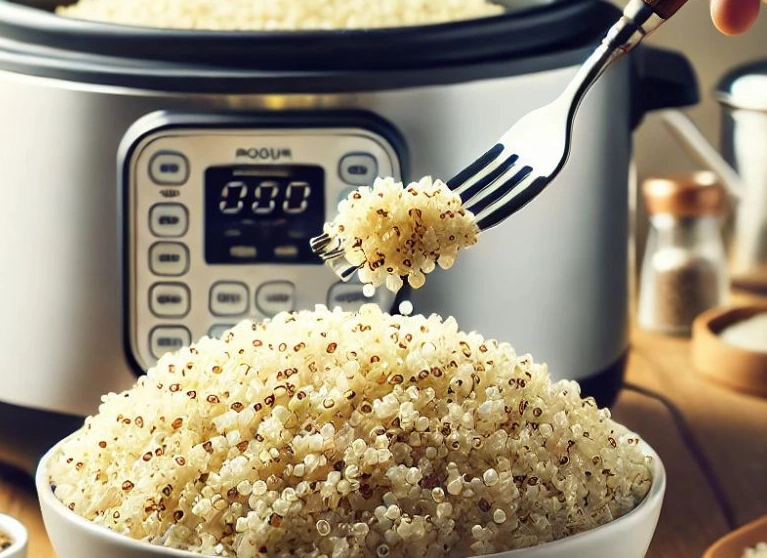
Step 3: Cook & Forget, Then Let it Rest
Add your quinoa and liquid to the rice cooker pot. Add a pinch of salt. Close the lid and press the "white rice" or "cook" button. That's it. Walk away.
When the cooker switches to "warm," do not open the lid immediately. This is the secret step most people miss. Let it sit on "warm" for at least 10 minutes. This resting period allows the residual steam and heat to finish cooking the quinoa evenly and lets any remaining moisture redistribute. It's the final touch for perfect texture.
After resting, fluff it with a fork. See those separate, springy grains? You've done it.
3 Common Mistakes (And How to Avoid Them)
Even with a rice cooker, things can go slightly wrong. Here’s what to watch for.
Mistake 1: Using the "Quick Cook" or "Porridge" Setting. These settings use higher heat or more agitation, which can turn quinoa mushy. Stick to the standard "white rice" cycle for consistent, gentle heat.
Mistake 2: Not Adjusting for Altitude or Humidity. If you live at a high altitude, water boils at a lower temperature, so grains take longer to absorb it. You might need to add an extra 2-3 tablespoons of water. On very humid days, you might need a tablespoon less. Treat the 1:1.5 ratio as your baseline and tweak from there.
Beyond Basic: Simple Recipe Variations
Once you've mastered plain quinoa, the rice cooker becomes a one-pot wonder. Add these ingredients before you press cook.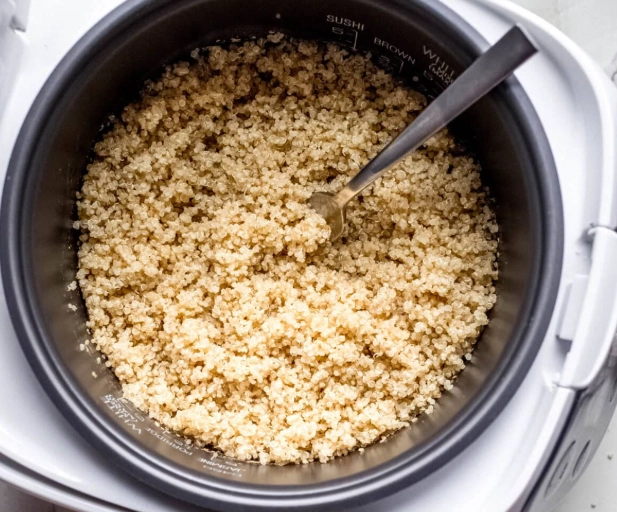
Herbed Lemon Quinoa: Use vegetable broth. Add the zest of one lemon, a bay leaf, and a teaspoon of dried thyme or oregano to the pot.
"Spanish Rice" Style Quinoa: Use chicken or vegetable broth. Stir in a tablespoon of tomato paste, a teaspoon of cumin, and a half teaspoon of smoked paprika.
Coconut Curry Quinoa: Replace half the water with coconut milk. Add a teaspoon of curry powder and a handful of frozen peas.
My favorite hack? Cooking a big batch of plain quinoa on Sunday. Throughout the week, I'll use it as a base for grain bowls, toss it into soups to make them heartier, or even make a quick breakfast by reheating a portion with milk, cinnamon, and berries—like oatmeal but with more protein.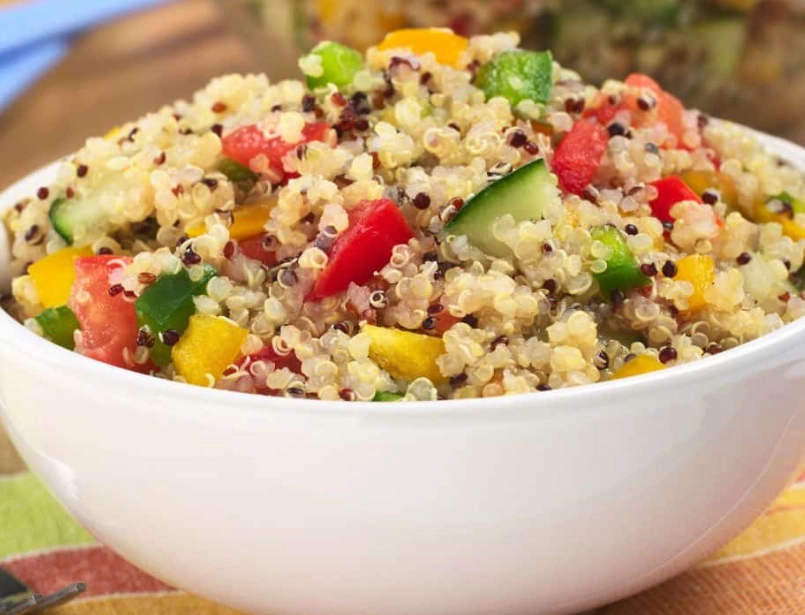
Your Quinoa Questions, Answered
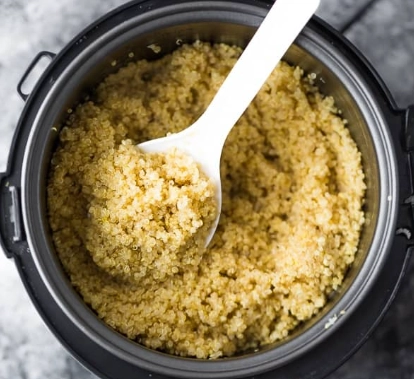
The bottom line? Your rice cooker is the most reliable kitchen assistant you have for cooking quinoa. It takes the guesswork out, delivers consistent results, and frees you up. Ditch the pot watch. Embrace the button press. Perfect quinoa is just a rinse, a ratio, and a rest away.
Reader Comments