I get it. You're staring at a package of boneless, skinless chicken breasts, thinking about another dry, chewy dinner. Maybe you've tried before. The outside looks okay, but the inside is a bland, stringy disappointment. The internet is full of advice, but it's often contradictory. Sear first? Cover the pan? Brine for hours?
Let's simplify. After years of testing (and yes, failing), I've nailed a stovetop method that works every single time. It doesn't require special equipment, just a good pan, a little patience, and understanding a few non-negotiable rules. Forget the guesswork. Here’s exactly how to transform that lean protein into a juicy, flavorful centerpiece for your meal.
What You'll Learn Today
The 3 Mistakes That Ruin Stovetop Chicken Breast
Most failures happen before the chicken even touches the pan. Let's eliminate these first.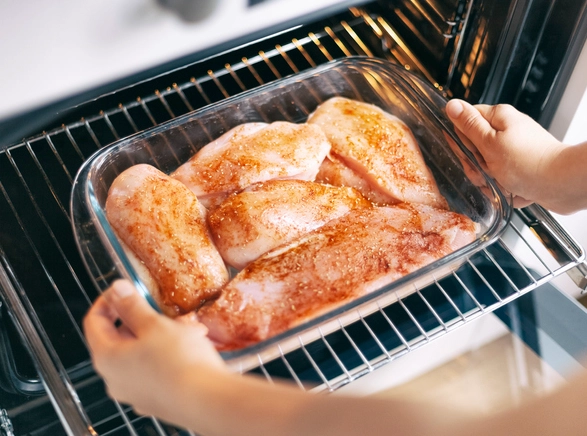
Mistake 1: Cooking it straight from the fridge. A cold, dense breast hits a hot pan. The outside overcooks while the inside struggles to get warm. The result? A burnt exterior and a raw-ish, dry interior. Take your breasts out of the fridge 15-20 minutes before cooking. Just let them sit on the counter. This small step ensures more even cooking.
Mistake 2: Ignoring thickness. Nature didn't design chicken breasts to be even. One end is fat, the other is a skinny tail. If you cook it as-is, the tail turns to leather while the thick part finally cooks through. You must create an even canvas. Place the breast between two sheets of plastic wrap or in a zip-top bag and gently pound the thick end until the whole thing is a uniform ¾-inch to 1-inch thick. A rolling pin, a small skillet, or even a heavy can works. This is the single most important step for consistent doneness.
Mistake 3: Fearing salt and moving the chicken constantly. Underseasoned chicken is sad chicken. Salt penetrates and seasons the meat, not just the surface. Be generous. And once that breast hits the hot pan, leave it alone. Don't poke it, don't shift it, don't flip it early. You're developing a golden-brown crust (the Maillard reaction), which equals flavor. Moving it breaks the contact with the pan and steams the meat instead of searing it.
Pro Insight: Many recipes say to brine chicken breast for hours. For a quick weeknight meal, it's overkill. A 20-minute rest at room temperature after salting achieves a similar effect by allowing the salt to draw out some moisture, which then dissolves the salt and gets re-absorbed, seasoning the meat deeper. It's called "dry-brining," and it's a game-changer.
What You Actually Need (It's Less Than You Think)
You don't need a chef's kitchen. Here's the shortlist.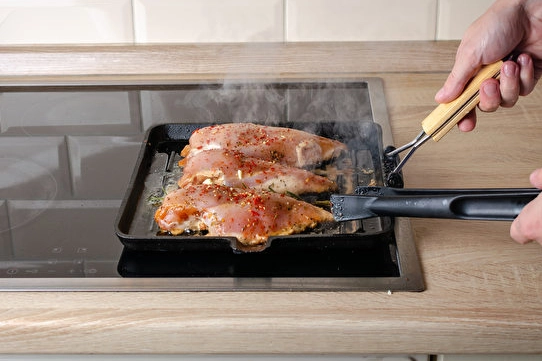
- The Chicken: Boneless, skinless chicken breasts. Look for ones that are similar in size. Organic or air-chilled brands often have better texture and less retained water, which means better browning.
- The Pan: A 10 or 12-inch heavy-bottomed skillet is ideal. Cast iron is fantastic for heat retention and sear. Stainless steel is great for developing fond (those tasty browned bits). Non-stick works, but you won't get as deep of a sear. Avoid thin, warped pans—they create hot spots.
- The Fat: An oil with a high smoke point. My go-to is avocado oil. Grapeseed oil or refined olive oil work too. Don't use extra virgin olive oil for the initial sear—it will smoke and turn bitter.
- The Tools: Tongs (for flipping), an instant-read thermometer (non-negotiable for perfection), a meat mallet or heavy object for pounding, and a plate for resting.
- The Seasoning: Kosher salt and freshly ground black pepper are the foundation. From there, the world is yours.
The Step-by-Step Cooking Process
Follow this sequence. It's simple but precise.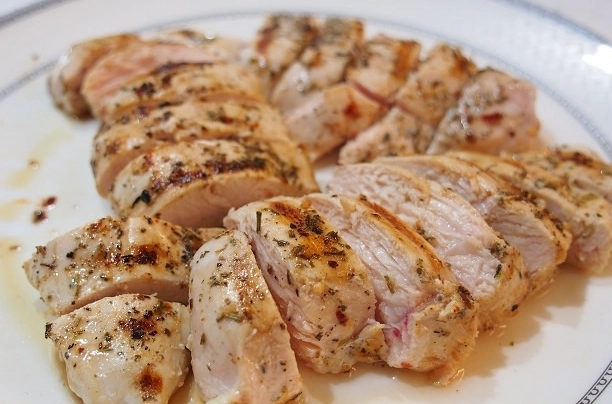
Step 1: Prep the Chicken
Pat the breasts completely dry with paper towels. Moisture is the enemy of browning. Place each breast between plastic and pound to an even ¾-inch thickness. Season both sides liberally with salt and pepper. Let them sit on a plate for 15-20 minutes while you prep your sides or heat the pan.
Step 2: Heat the Pan
Place your dry skillet on the stove over medium-high heat. Let it get hot for 2-3 minutes. Add enough oil to lightly coat the bottom—about 1-2 tablespoons. Swirl it around. The oil should shimmer and look fluid, not smoke. If it smokes immediately, your pan is too hot.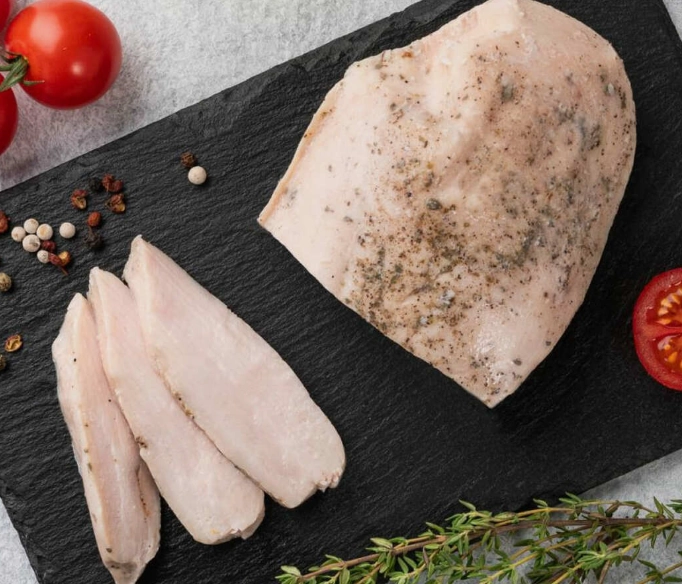
Step 3: Sear the First Side
Lay the chicken breasts in the pan, leaving space between them. Crowding steams them. You should hear a confident sizzle. If you don't, the pan wasn't hot enough. Now, walk away. Set a timer for 5-6 minutes. Do not touch them. You'll see the edges turn opaque and the bottom form a nice golden crust.
Step 4: Flip and Finish
Use tongs to flip the breasts. They should release easily from the pan if a good crust has formed. The second side will cook faster, about 3-5 minutes. This is where the thermometer is crucial. Insert it horizontally into the thickest part. We're aiming for 160-162°F (71-72°C).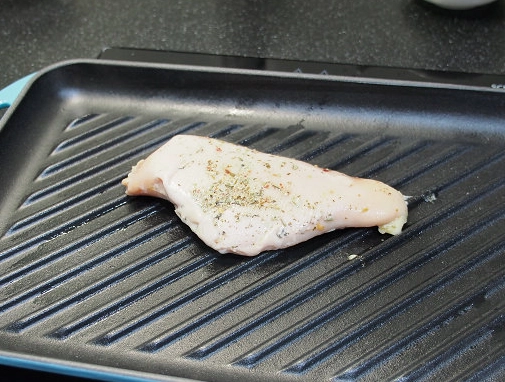
Wait, 165°F is safe, right? Yes, but carryover cooking is real. When you remove the chicken from the pan, its internal temperature continues to rise by 5 degrees or more as it rests. Pulling it at 160-162°F ensures it reaches a safe 165°F without overshooting into dry territory. This is the expert trick most home cooks miss.
Step 5: The Mandatory Rest
Transfer the chicken to a clean plate or cutting board. Do not slice it. Do not poke it. Tent it loosely with foil and let it rest for 5-10 minutes. This allows the frantic muscle fibers to relax and re-absorb the juices. If you cut immediately, all those precious juices will run out onto the board, leaving you with dry meat.
After resting, slice against the grain (look for the lines of muscle fibers and cut perpendicular to them) for the most tender bite.
Simple Flavor Variations Beyond Salt & Pepper
The basic method is your blank slate. Here are three easy ways to change it up.
The Lemon-Herb Finish: After removing the chicken, reduce the heat to medium-low. Add 2 tablespoons of butter, a few sprigs of fresh thyme or rosemary, and two garlic cloves (smashed). Let the butter melt and the herbs sizzle for 30 seconds. Add a big squeeze of lemon juice. Swirl and pour this pan sauce over the resting chicken.
The Spicy Dry Rub: Mix 1 tsp smoked paprika, ½ tsp garlic powder, ½ tsp onion powder, and a pinch of cayenne with your salt and pepper before seasoning the chicken. The paprika adds a deep color and smoky flavor.
The Quick Pan Sauce (Deglazing): Chicken's done, resting. In the same hot pan (with all those browned bits), add ½ cup of chicken broth or white wine. Use a wooden spoon to scrape up the fond. Let it simmer and reduce by half. Turn off the heat, swirl in a tablespoon of cold butter until glossy. Instant flavor-packed sauce.
Serving, Storing, and Reheating Without Drying It Out
Serve your sliced chicken over salads, with roasted veggies, on rice, or in sandwiches. To store, let it cool completely, then place in an airtight container in the fridge for up to 4 days.
Reheating is where people ruin their good work. Do not microwave it on high. The best methods: 1) Slice it cold onto a salad. 2) Warm slices gently in a skillet with a splash of broth or sauce over low heat. 3) For a whole breast, wrap it in foil with a teaspoon of water or broth and warm in a 300°F (150°C) oven for 10-15 minutes until just heated through.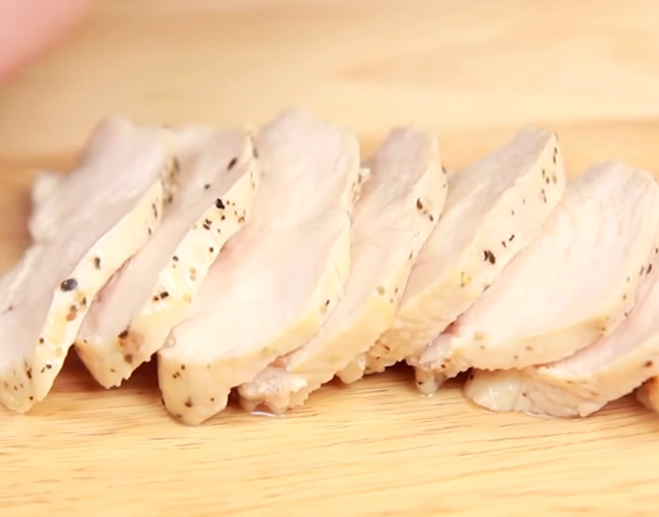
Your Top Questions, Answered
The bottom line? Cooking perfect chicken breast on the stove is a skill, not a mystery. It hinges on even thickness, proper heat, and trusting the thermometer over the clock. Master this basic framework, and you'll never have to suffer through a dry piece of chicken again. It becomes one of the fastest, most reliable proteins you can make any night of the week.
Reader Comments