If you've ever pulled dry, bland chicken tenderloins from your air fryer, you're not alone. I've been there. After years of testing—and yes, some failures—I've nailed a method that delivers juicy, crispy tenderloins every single time. Let's cut to the chase: air fryer chicken tenderloins are a weeknight lifesaver, but only if you know the tricks most recipes gloss over.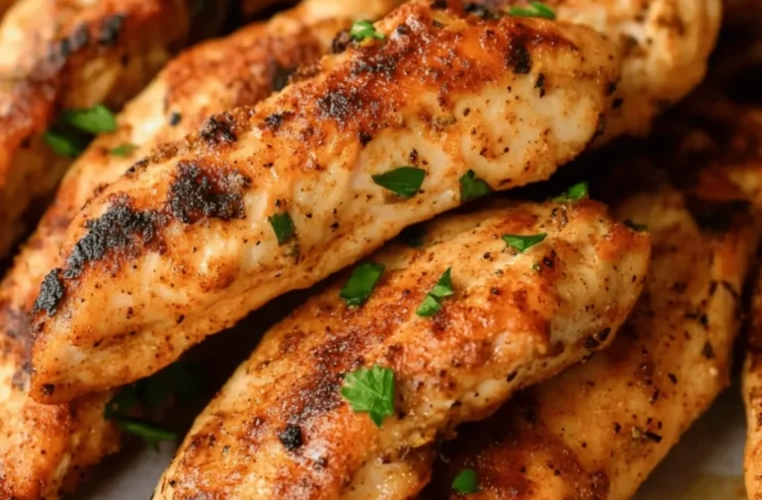
What You'll Find Inside
Why Air Fryer Chicken Tenderloins Are a Game-Changer
Chicken tenderloins are the underrated cut. They're lean, quick-cooking, and perfect for air frying. The air fryer circulates hot air to crisp them up with minimal oil—think 1 tablespoon instead of deep-frying cups. My family devours these in minutes. They're healthier, yes, but the real win is texture. Done right, you get a golden exterior with a tender inside that doesn't taste like cardboard.
I used to bake them, but they'd steam in their own juice. Air frying solves that. It's faster too: 12 minutes versus 25 in the oven. For busy nights, that's a no-brainer.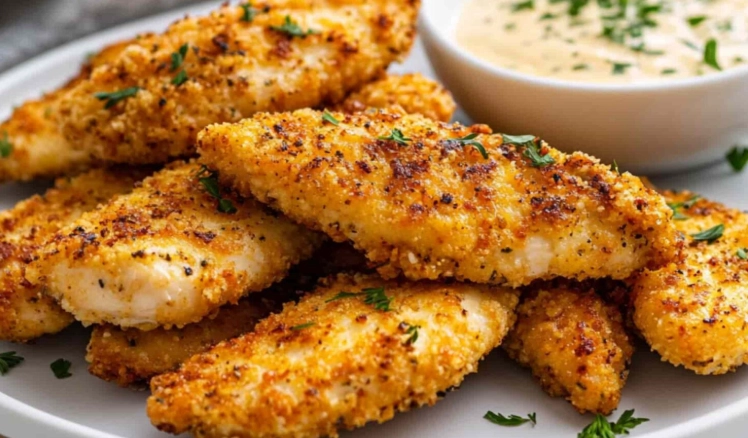
Ingredients You'll Need
Keep it simple. Here's what I always have on hand:
| Ingredient | Quantity | Notes |
|---|---|---|
| Chicken tenderloins | 1 pound (about 8-10 pieces) | Fresh, not frozen, for best crispiness. Pat dry thoroughly. |
| Olive oil or avocado oil | 1 tablespoon | Avocado oil has a higher smoke point, great for air frying. |
| Cornstarch | 1 teaspoon | The secret for crunch. Don't skip it. |
| Garlic powder | 1 teaspoon | Adds depth without burning. |
| Paprika | 1 teaspoon | For color and a hint of smokiness. |
| Salt and black pepper | To taste | I use ½ tsp salt, ¼ tsp pepper. |
That's it. No fancy breading. You can swap paprika for cumin or chili powder if you like heat. I've tried dozens of blends; this one sticks well and doesn't clump.
Step-by-Step Cooking Instructions
Follow these steps closely. Rushing leads to soggy chicken.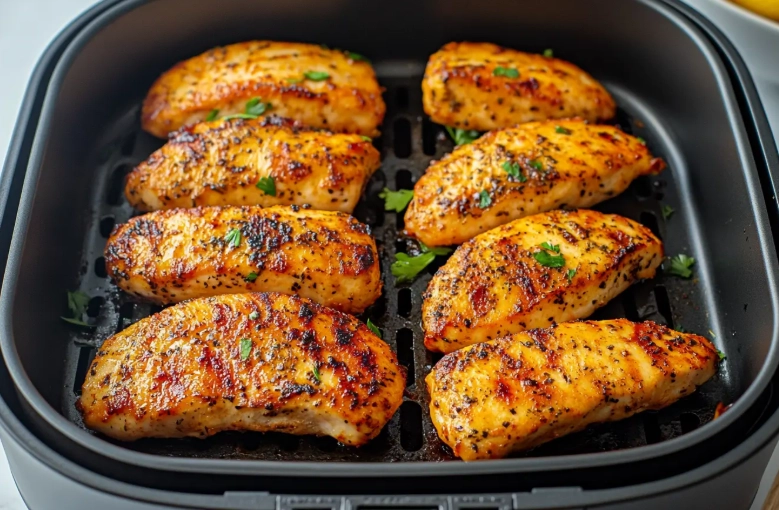
Prep Steps Most People Miss
First, take the tenderloins out of the fridge 10 minutes before cooking. Cold meat cooks unevenly. Pat them dry with paper towels—I mean really dry. Moisture is the enemy of crispiness.
In a bowl, mix 1 tbsp oil with the tenderloins. Massage it in. Then, sprinkle the cornstarch and spices evenly. Toss until coated. Don't dump everything at once; you'll get clumps.
The Cooking Process
Preheat your air fryer to 375°F for 3-5 minutes. I know, many recipes say 400°F, but that can burn the coating before the inside cooks. 375°F is the sweet spot.
Arrange the tenderloins in a single layer in the basket. No overlapping. Give them space. Air needs to flow around each piece.
Cook for 10-12 minutes, flipping halfway with tongs. Check at 10 minutes. If they're golden brown and reach 165°F internally, they're done. Use a meat thermometer. Guessing will fail you.
Let them rest for 2-3 minutes after cooking. They'll crisp up more as they cool slightly.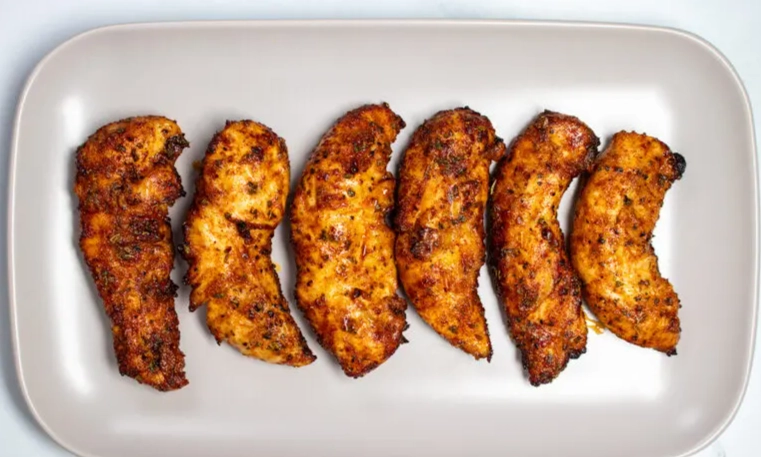
Pro Tips for Perfect Results
Here are things I learned the hard way:
- Don't overcrowd the basket. Cook in batches if needed. Overcrowding steams the chicken, making it rubbery.
- Shake the basket gently at halftime. This ensures even browning. Some air fryers have hot spots; mine does on the left side.
- Add a spritz of oil mid-cook. If they look dry, a quick spray of oil (like from an oil mister) boosts crispiness without adding much fat.
- Experiment with marinades. For juicier meat, marinate in buttermilk or yogurt for 30 minutes before air frying. Pat dry again before seasoning.
I once tried adding baking powder instead of cornstarch. It worked, but gave a slightly bitter taste if overused. Stick to cornstarch.
Common Mistakes to Avoid
Everyone makes these errors. I did too.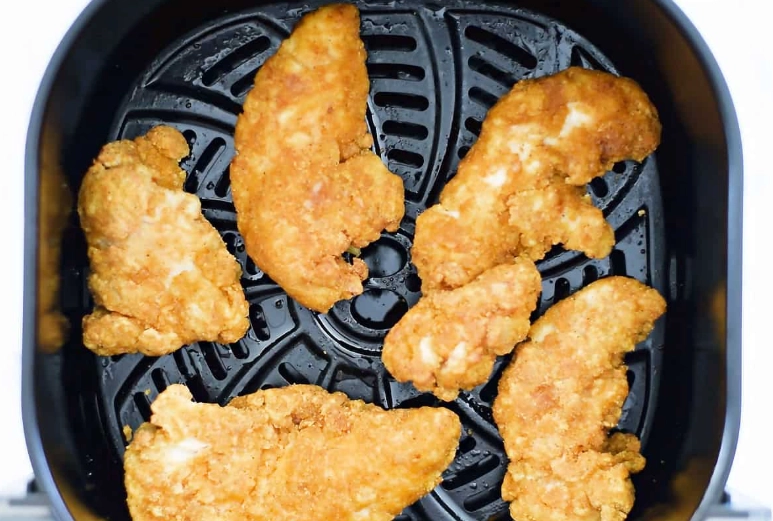
Overcooking. Air fryers cook fast. Set a timer. Chicken tenderloins go from perfect to dry in a minute. Pull them at 160°F—they'll hit 165°F while resting.
Skipping the preheat. A cold start means uneven cooking. Always preheat.
Using wet seasoning. Wet rubs or sauces can drip and cause smoking. Apply sauces in the last 2 minutes if you must.
Ignoring thickness. Tenderloins vary. Butterfly thicker ones to an even ½-inch thickness. Otherwise, thin parts burn while thick parts stay raw.
My worst batch? I forgot to pat dry. They steamed into a sad, pale mess. Learn from my fail.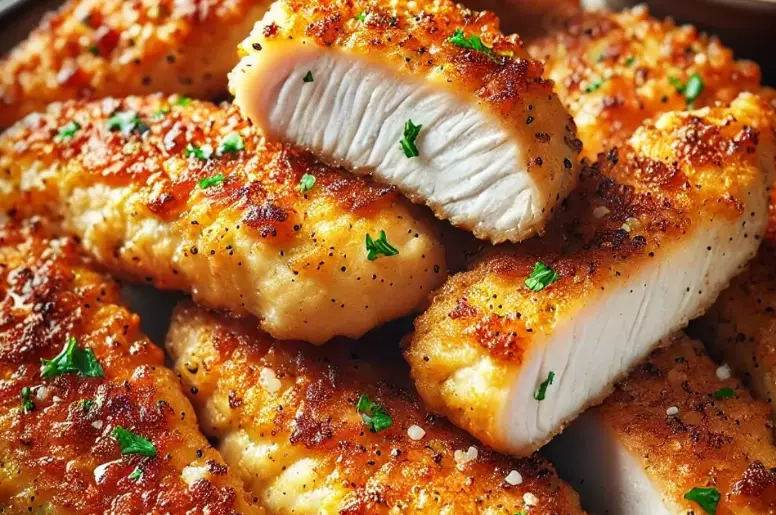
Reader Comments