Let's be honest. We've all had that disappointing batch of air fryer chicken. The one that promised crispiness but delivered something closer to shoe leather, or worse, a soggy, steamed mess. I've been there. My first attempt at air fry chicken tenderloins was a disaster—dry, bland, and stuck to the basket. It took me a solid year of tweaking, burning a few pieces, and learning from that mistake to crack the code.
The air fryer is a game-changer for chicken tenderloins, but it's not a magic "set it and forget it" box. It's a powerful convection oven that needs a specific approach. This guide is everything I wish I knew when I started. We're going beyond the basic recipe. We're diving into the why behind each step, the common pitfalls everyone misses, and the expert tricks that guarantee juicy, craggily-crisp chicken tenderloins every single time.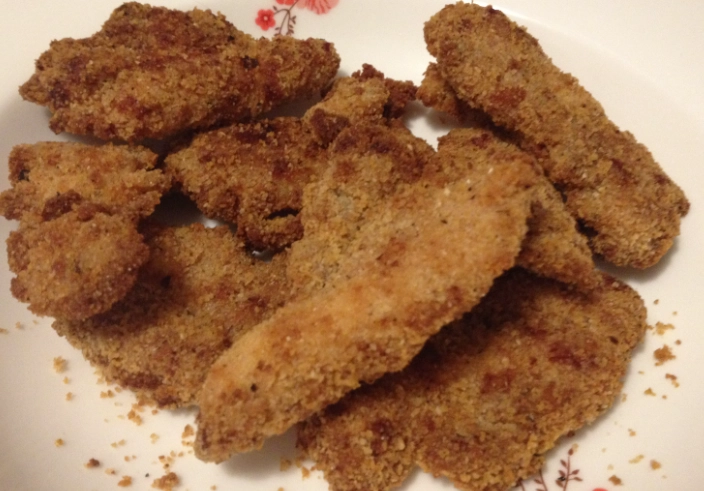
What's Inside This Guide?
- Why Chicken Tenderloins Are Perfect for the Air Fryer
- The Step-by-Step Process for Perfect Air Fry Chicken Tenderloins
- What Are the Best Seasonings for Air Fryer Chicken Tenderloins?
- Air Fryer Chicken Tenderloins: Time & Temperature Guide
- 3 Common Mistakes That Ruin Your Air Fry Chicken
- Serving, Storing, and Reheating Like a Pro
Why Chicken Tenderloins Are Perfect for the Air Fryer
Chicken tenderloins—those small, tender strips attached to the breast—are the unsung heroes of quick cooking. They're lean, cook fast, and have a consistent thickness, which is critical for even air frying. Unlike a whole breast that can be thick on one end and thin on the other, tenderloins get that hot air circulating evenly around every piece.
But that leanness is a double-edged sword. Without fat, they can dry out in a flash. That's where technique comes in. The air fryer's rapid air circulation is brilliant for creating a crispy exterior quickly, sealing in juices if you handle it right. If you handle it wrong, it acts like a powerful dehydrator.
Here's a tip most recipes don't tell you: look for tenderloins with the tenderloin tendon (that white string) still attached or partially attached. It's a sign of less processing. You can easily remove it with a knife, but that bit of connective tissue actually helps the meat hold its shape and moisture better during cooking. The overly cleaned, perfectly uniform strips often end up mushier.
How to Air Fry Chicken Tenderloins for Maximum Crispiness
This isn't just a list of ingredients. It's a process. Skipping one step, especially the first one, is why your chicken might be tough.
1. The Non-Negotiable Prep: Brining or Marinating
Don't just season the surface. You need to get moisture and salt into the meat. A 30-minute soak in a simple brine (1/4 cup kosher salt + 4 cups water) works wonders. For more flavor, use buttermilk, yogurt, or even a seasoned brine with garlic and herbs. This step alters the protein structure, allowing it to retain more water during cooking. It's your insurance policy against dryness.
2. Seasoning & Coating (The Flavor Layer)
After patting dry, drizzle with just a teaspoon or two of oil—avocado or olive oil work well. This helps the seasoning stick and promotes browning. Then, season aggressively. Your seasoning blend should have salt, but also consider paprika (for color), garlic powder, onion powder, and a bit of cornstarch. Yes, cornstarch. A tablespoon mixed into your dry seasoning creates an extra-crispy, almost fried-like coating without heavy breading.
3. The Air Frying Execution
Preheat your air fryer to 375°F (190°C) for 3-5 minutes. This is crucial. A hot basket sears the chicken immediately, preventing sticking. Arrange the tenderloins in a single layer with space between them. Crowding is the enemy of crispiness.
Cook for 10-12 minutes, flipping them halfway through with tongs. The exact time depends on the size of your tenderloins and your specific air fryer model. The only way to know for sure? Use a digital meat thermometer. Target an internal temperature of 165°F (74°C) at the thickest part.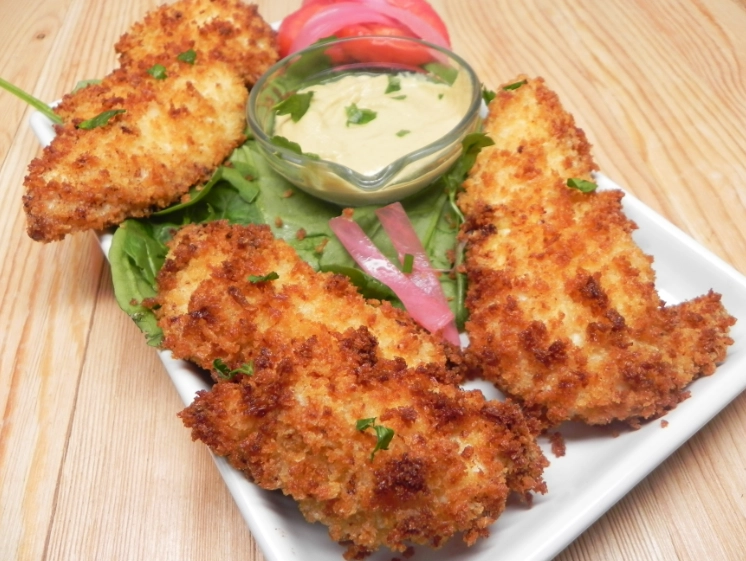
What Are the Best Seasonings for Air Fryer Chicken Tenderloins?
Your flavor profile is where you can get creative. The dry-heat environment of the air fryer intensifies spices. Here are three killer combinations that work every time:
The Classic Savory: Kosher salt, black pepper, garlic powder, onion powder, smoked paprika, and a pinch of dried thyme. It's universally loved.
The Lemon-Herb Brightness: Grated lemon zest, dried oregano, garlic powder, salt, and a crack of black pepper. Finish with a squeeze of fresh lemon juice after cooking.
The Spicy Kick: Chili powder, cumin, garlic powder, onion powder, salt, and a little brown sugar or honey in your marinade to balance the heat. The sugar helps with caramelization.
For a guaranteed crispy exterior, any of these blends can be mixed with a tablespoon of cornstarch or panko breadcrumbs. Press the crumbs on gently.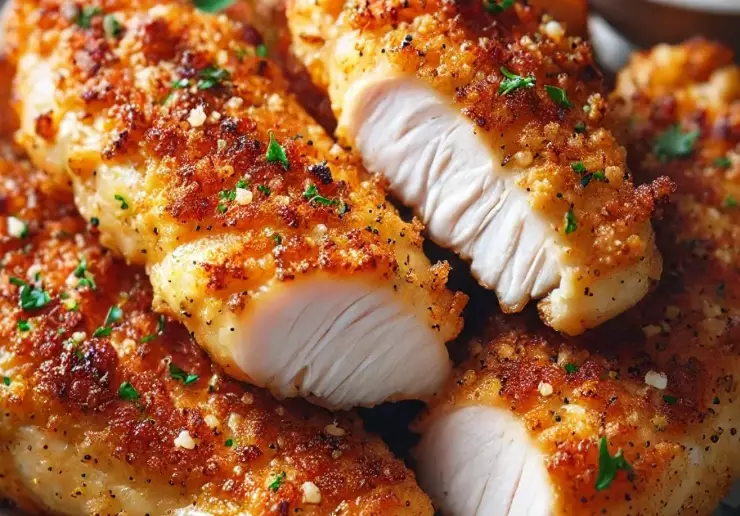
Air Fryer Chicken Tenderloins: Time & Temperature Guide
Temperature is your control knob for texture. Here’s a quick reference table based on my tests with a standard 6-quart basket air fryer.
| Style / Condition | Temperature | Time (Flip Halfway) | Key Outcome |
|---|---|---|---|
| Standard Fresh Tenderloins | 375°F (190°C) | 10-12 mins | Optimal crispness & juiciness |
| Breaded or Battered | 370°F (188°C) | 12-14 mins | Cooks coating without burning |
| From Frozen (No Thaw) | 360°F (182°C) | 12-15 mins | Safe thaw & cook, less browning |
| "Extra Crispy" Finish | 400°F (200°C) | Last 2-3 mins only | Final blast for deep color |
Notice the slightly lower temp for frozen and breaded items? That's to give the inside time to cook before the outside gets too dark. It's a small adjustment that makes a big difference.
3 Common Mistakes That Ruin Your Air Fry Chicken
I've made these so you don't have to.
1. Skipping the Preheat: Putting chicken in a cold air fryer basket is like putting it in a steamer. It sweats, sticks, and never gets properly crisp. Always preheat.
2. Overcrowding the Basket: This is probably the #1 reason for soggy results. The air needs to flow. If pieces are touching, they steam each other. Cook in batches if you have to. It's worth the wait.
3. Relying Only on the Timer: Air fryers vary. Your friend's "12-minute" recipe might burn in yours. The timer is a guide; the thermometer is the law. Invest in a cheap instant-read thermometer. It takes the guesswork out and is the single best tool for cooking any protein perfectly, as emphasized by food safety guidelines from sources like the USDA.
Serving, Storing, and Reheating Like a Pro
Let the chicken rest for 5 minutes after air frying. This lets the juices redistribute. Serve them as the main protein, slice them over a salad, or pile them into sandwiches.
Leftovers? Cool them completely, then store in an airtight container in the fridge for up to 3 days. To reheat and actually restore the crispiness, don't use the microwave. It'll turn them rubbery. Toss them back in the air fryer at 370°F for 3-4 minutes. They'll come back to life almost like new.
You can also freeze cooked, cooled tenderloins. Separate them with parchment paper in a freezer bag. Reheat from frozen in the air fryer at 360°F for 6-8 minutes.
Reader Comments