Let's be honest. You know you should eat healthier. You've seen the Instagram posts of perfectly stacked glass containers. But between work, family, and just trying to breathe, the idea of healthy meal prep feels like another chore on an endless list. What if I told you the secret isn't in fancy recipes, but in a simple system? A system that takes about 2 hours on a Sunday and buys you back hours of stress and decision fatigue all week. That's what we're building today. No fluff, just a practical, sustainable approach to weekly meal prep that actually fits into a real life.
What's Inside This Guide
- Why Bother? The Real Benefits Beyond Instagram
- Your Meal Prep Foundation: The 3 Non-Negotiables
- 3 Foolproof Healthy Meal Prep Recipes to Start With
- The 2-Hour Sunday Strategy: Assembly Line Efficiency
- Avoiding the #1 Mistake: How to Store Your Prepped Meals
- Your Top Meal Prep Questions, Answered Honestly
Why Bother? The Real Benefits Beyond Instagram
It's not about aesthetics. The core value of prepping healthy meals is control. When you have ready-to-go food, you control your nutrition, your budget, and most importantly, your time.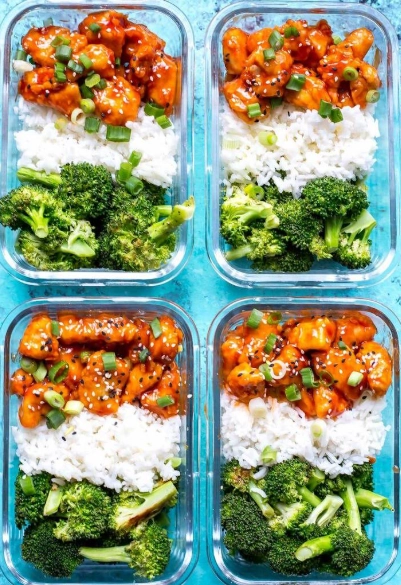
Think about Tuesday at 6 PM. You're tired. The fridge is empty. The default option becomes takeout or a processed freezer meal—expensive and often less healthy. That single decision derails your goals and your wallet. According to a report from the USDA's Economic Research Service, food prepared away from home is typically higher in calories, saturated fat, and sodium. Meal prep puts you back in the driver's seat.
The financial saving is real. A simple meal prep for beginners week—say, grilled chicken, roasted veggies, quinoa, and a hearty soup—can easily cut your weekly food spend by 30-40% compared to daily lunch purchases and impulsive dinner orders.
But the biggest win? Mental bandwidth. You make the big food decision once, on Sunday, when you have the energy. The rest of the week, you just execute. That's less stress every single day.
Your Meal Prep Foundation: The 3 Non-Negotiables
Before we touch a knife, let's set the stage. Ignoring these is why most people's meal prep fails by Wednesday.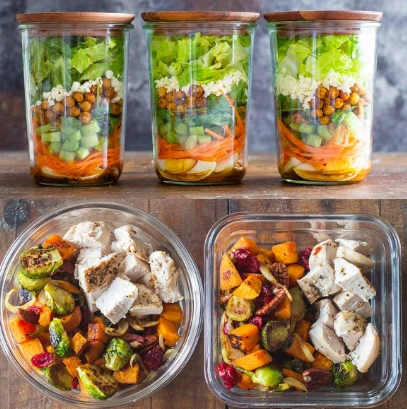
1. The Right Containers (It's Not Just About Looks)
Glass containers with locking lids are the gold standard. They don't stain, they microwave safely, and they make food look appetizing all week. I made the mistake of using cheap plastic ones for years. By Thursday, my tomato-based dishes tasted like plastic, and the containers were permanently orange. Invest in a good set—it's a one-time cost that pays off for years. Look for containers that are both leak-proof and stackable to save fridge space.
2. The Protein + Veg + Carb + Fat Framework
Every complete meal should aim for this balance. It ensures you stay full and get sustained energy.
- Protein: Chicken thighs, ground turkey, baked tofu, lentils, chickpeas, fish.
- Vegetables: Broccoli, bell peppers, zucchini, green beans, Brussels sprouts (roast well).
- Healthy Carb: Brown rice, quinoa, sweet potatoes, whole-wheat pasta, farro.
- Healthy Fat: Avocado (add fresh), olive oil, nuts, seeds.
This framework is your recipe builder. Mix and match to avoid boredom.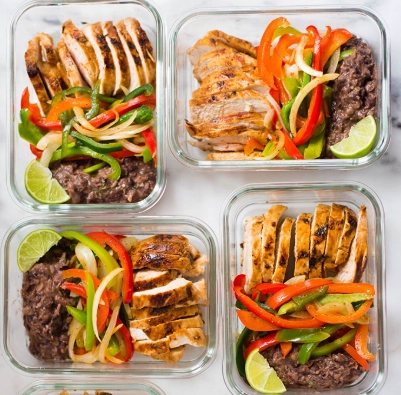
3. The Flavor Arsenal
Prepped food gets a bad rap for being bland. That's a prep problem, not a food problem. You must season aggressively before cooking. Don't just sprinkle salt. Build flavor layers with dried herbs (oregano, thyme), spices (paprika, cumin, garlic powder), acids (lemon juice, vinegar), and condiments (mustard, low-sodium soy sauce, harissa). A marinade for your protein or a quick vinaigrette for your grains makes all the difference.
3 Foolproof Healthy Meal Prep Recipes to Start With
These recipes are designed specifically for prep. They reheat beautifully, hold texture for days, and require minimal active cooking time. Let's get specific.
| Recipe Name | Core Ingredients | Prep/Cook Time | Lasts In Fridge | Key Prep Tip |
|---|---|---|---|---|
| Sheet Pan Lemon Herb Chicken & Veggies | Chicken thighs, broccoli, bell peppers, red onion, lemon, olive oil, garlic, dried herbs | 15 min prep, 25 min cook | 4 days | Cut veggies uniformly for even roasting. Keep chicken skin-on for moisture during reheating. |
| Hearty Turkey & Quinoa Bowl | Ground turkey, quinoa, black beans, corn, cherry tomatoes, avocado (fresh), lime, cilantro | 30 min total | 4 days (add avocado daily) | Cook quinoa in low-sodium chicken broth for extra flavor. Pack avocado separately to add fresh. |
| Creamy (Dairy-Free) Red Lentil Soup | Red lentils, carrots, celery, onion, coconut milk, vegetable broth, curry powder, spinach | 10 min prep, 35 min cook | 5 days (freezes perfectly) | Add fresh spinach just before storing to retain color and texture. Soup thickens when cold; thin with broth when reheating. |
Take the Sheet Pan Lemon Herb Chicken. Here's how it plays out: Preheat your oven to 425°F (220°C). In a large bowl, toss 1.5 lbs of chopped broccoli and bell peppers with 2 tbsp olive oil, salt, and pepper. Spread on one half of a sheet pan. In the same bowl (fewer dishes!), toss 4-6 bone-in, skin-on chicken thighs with 3 tbsp olive oil, the zest and juice of one lemon, 3 minced garlic cloves, 1 tsp each of dried oregano and thyme, plus more salt and pepper. Place on the other half of the pan. Roast for 22-25 minutes until chicken is cooked through. That's it. You have protein and veggies for 3-4 meals.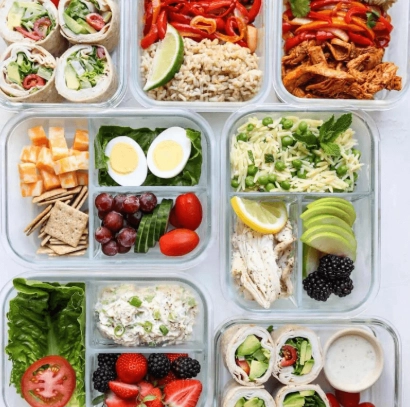
The 2-Hour Sunday Strategy: Assembly Line Efficiency
Don't just cook randomly. Work in this order to maximize your two hours.
Hour 1: The Simultaneous Cook. (0-60 minutes)
First, preheat the oven for your sheet pan recipe. While it heats, rinse your quinoa and lentils and get them simmering on the stove (they mostly cook unattended). Then, chop all vegetables for the week at once—the soup veggies, the roasting veggies, the fresh toppings. This "batch chopping" is a massive time-saver. Now, assemble your sheet pan and get it in the oven. While that roasts, brown your ground turkey for the bowls and start sautéing the onion/carrot/celery base for your soup in a large pot.
Hour 2: The Assembly & Pack. (60-120 minutes)
Your kitchen will smell amazing now. Take the sheet pan out to cool. Your quinoa and lentils should be done. Fluff the quinoa and finish the soup by adding broth, coconut milk, and spices. Let it simmer. Now, set up your containers like an assembly line. Start with your base (quinoa, or nothing for the sheet pan meal). Add your protein portion. Add your veggie portion. Spoon soup into its own containers. Let everything cool to room temperature before putting the lids on—this prevents condensation that makes food soggy. Finally, wipe down the kitchen. You're done.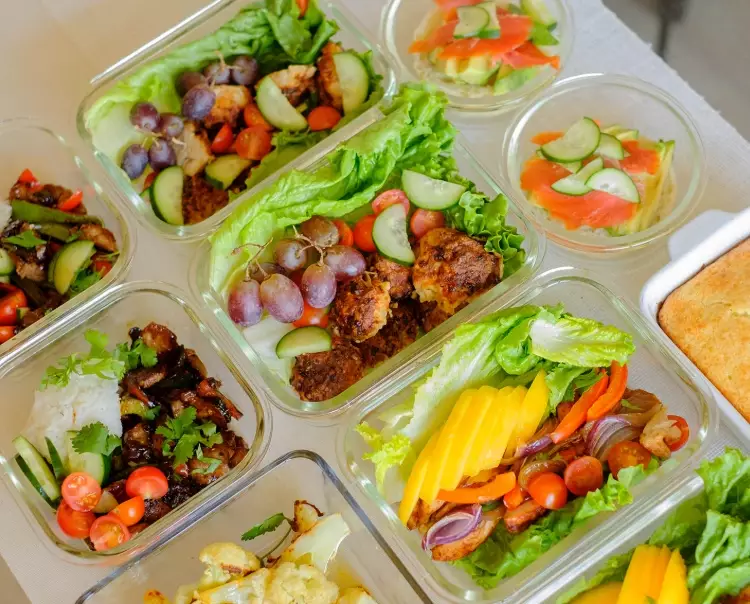
Avoiding the #1 Mistake: How to Store Your Prepped Meals
Improper storage ruins food texture and safety. Here's the breakdown:
Refrigerator (34-40°F / 1-4°C):
Most cooked meals last 3-4 days. Soups and stews can go 4-5. Always store in airtight containers. Place newer meals behind older ones so you eat in sequence ("first in, first out").
Freezer (0°F / -18°C):
Your secret weapon. Portion soups, cooked grains, and marinated raw proteins (like chicken breasts) into containers or bags. Label with contents and date. They'll be good for 2-3 months. Thaw in the fridge overnight. Freezing is perfect for preventing food waste—if you know your Thursday is a dinner out, freeze Wednesday's portion instead of letting it languish.
As noted by food safety experts, like those at the USDA's Food Safety and Inspection Service, the "danger zone" for bacterial growth is between 40°F and 140°F. Getting your cooked food into the fridge or freezer promptly is critical.
A personal rule I follow: I never prep more than 4 days of fresh meals. Day 5 is always a freezer meal or a simple "assembly" night from pantry staples. This keeps things flexible.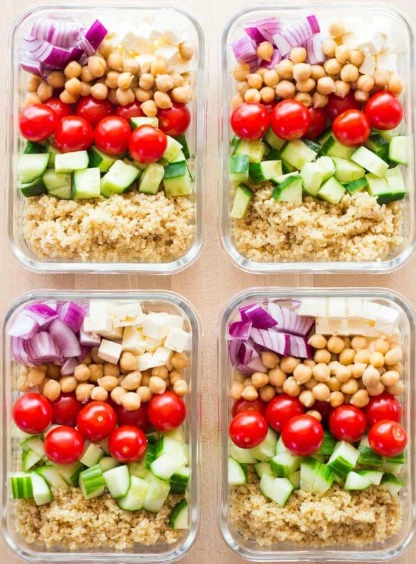
Reader Comments