Let's be honest. The idea of cooking a healthy dinner from scratch every night after a long day is a fantasy for most of us. You end up ordering takeout, grabbing something processed, or just eating cereal. It's expensive, it's not great for you, and it feels like a failure. That's where a solid system for meal prep for the week comes in. It's not about spending your entire Sunday in the kitchen or eating the same bland chicken and broccoli every day. It's about smart strategy—cooking once to eat well all week, saving you time, money, and a whole lot of mental energy. I've been doing this for years, and I've learned what works and, more importantly, what doesn't. This guide will give you a realistic, flexible plan you can actually stick to.
Your Weekly Prep Roadmap
Why Bother with Weekly Meal Prep? (The Real Benefits)
Everyone talks about saving time, but the benefits go deeper. When you have healthy, ready-to-go food in your fridge, you're making one smart decision that pays off for days.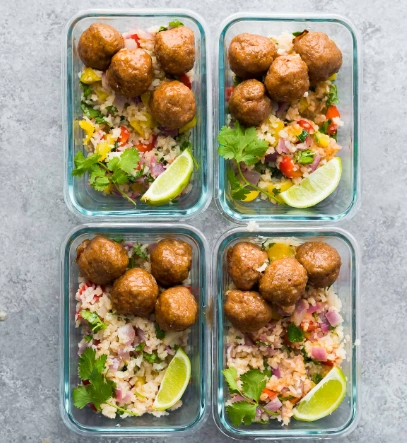
You actually save money. Impulse buys at the grocery store and last-minute takeout orders disappear. You buy exactly what you need for your weekly meal prep ideas, often in larger, more economical packages. A $15 takeout lunch becomes a $3 homemade one.
You reduce daily decision fatigue. "What's for dinner?" is a draining question. With a plan, the answer is already there. This mental space is priceless.
Portion control happens automatically. You serve your food into containers once. No going back for second helpings straight from the pot. This alone can be a game-changer for health goals.
You waste less food. You have a plan for every vegetable, every grain. That bunch of cilantro or that half an onion gets used purposefully instead of rotting in the crisper drawer.
It's not about perfection. Some weeks I prep five full days of lunches and dinners. Other weeks, I just prep components—a big pot of quinoa, roasted veggies, and a protein—to mix and match. Both are wins.
A Simple, No-Fail Weekly Meal Prep Plan
Forget complicated schedules. The "Sunday Dinner x2" method is my go-to for easy meal prep. The concept is simple: cook a double batch of a great Sunday dinner, and immediately repurpose those components into different meals for the week. It feels creative, not repetitive.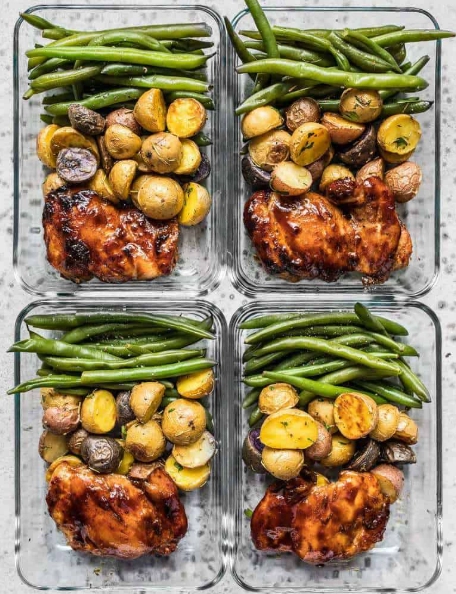
Here's a concrete example using a roasted chicken and vegetable dinner:
Sunday Dinner: Whole roasted lemon-herb chicken with crispy potatoes, carrots, and broccoli.
While that's cooking, you're also boiling a pot of rice or farro, and maybe hard-boiling a few eggs. That's your foundation.
Now, look at how those components transform your week:
| Day | Lunch | Dinner | Key Prep Components Used |
|---|---|---|---|
| Monday | Chicken & rice bowl with leftover roasted veggies, a drizzle of sauce. | Repeat of Sunday's roast dinner (easy win!). | Shredded chicken, rice, roasted veggies. |
| Tuesday | Big salad with shredded chicken, hard-boiled egg, and a quick vinaigrette. | Chicken fried rice with the remaining rice, diced carrots/broccoli, and an egg. | Shredded chicken, rice, roasted veggies, hard-boiled egg. |
| Wednesday | Leftover chicken fried rice. | Hearty soup: Simmer the chicken carcass for broth, add any remaining chicken, carrots, and a can of beans. | Chicken carcass (for broth), leftover chicken & veggies. |
| Thursday | Soup from last night. | Breakfast-for-dinner: Veggie frittata with diced potatoes and broccoli. | Roasted potatoes & broccoli. |
| Friday | Clean-out-the-fridge grain bowl with any remaining bits. | Takeout or a simple pasta—you've earned it. | Any final leftovers. |
See the flow? One cooking session provides the DNA for five days of distinct meals. The key is choosing versatile base recipes. A big batch of chili, lentil soup, or baked meatballs works just as well.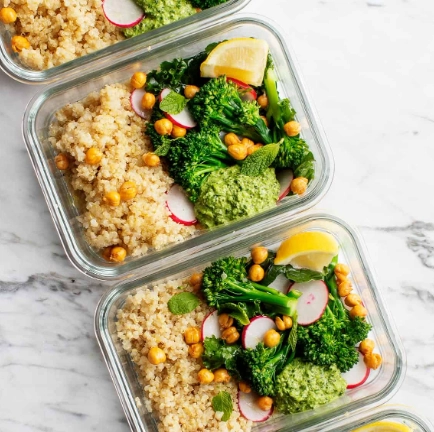
How to Choose Your Weekly Prep Recipes
Stick to recipes that are:
- Freezer-friendly: Soups, stews, cooked beans, and many sauces freeze beautifully. Don't feel you must eat everything within 5 days.
- Component-based: Think in parts—protein, grain, veggie. Cook each separately so you can rebuild them into new combinations.
- Minimally fussy: Sheet pan dinners, one-pot pastas, and slow-cooker meals are your best friends. Avoid recipes with multiple last-minute steps or delicate garnishes that won't hold up.
Gear Up: The Essential Tools and Containers
You don't need a kitchen full of gadgets, but a few key items make weekly meal prep seamless.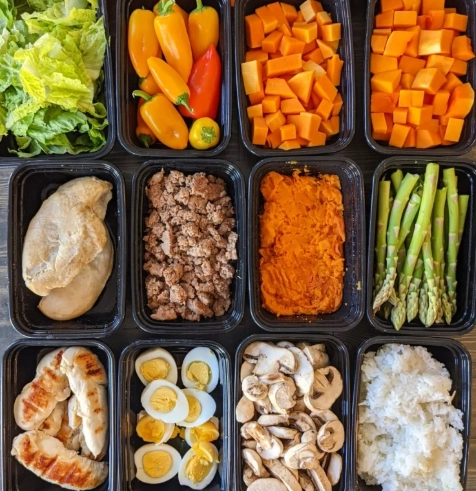
The Container Ecosystem is Critical. This is where most people get frustrated. Mismatched lids and containers that leak or stain will make you hate the process. Invest in a single, high-quality system. I prefer glass containers (like those from Pyrex or IKEA's 365+ series) because they don't stain, are microwave/dishwasher/oven safe, and just feel more substantial. Get a variety of sizes: small for snacks/dressings, medium for lunches, large for family-sized portions or salads.
A Good Knife and Cutting Board. You'll be doing a lot of chopping. A sharp 8-inch chef's knife and a large, stable cutting board (plastic or wood) are non-negotiable for efficiency and safety.
Sheet Pans & Parchment Paper. Roasting is the ultimate meal prep cooking method. It's hands-off and creates incredible flavor. Lining your pans with parchment paper means virtually no cleanup.
A Large Pot or Dutch Oven. For soups, stews, boiling grains, and batch-cooking pasta. A heavy-bottomed pot distributes heat evenly and prevents burning.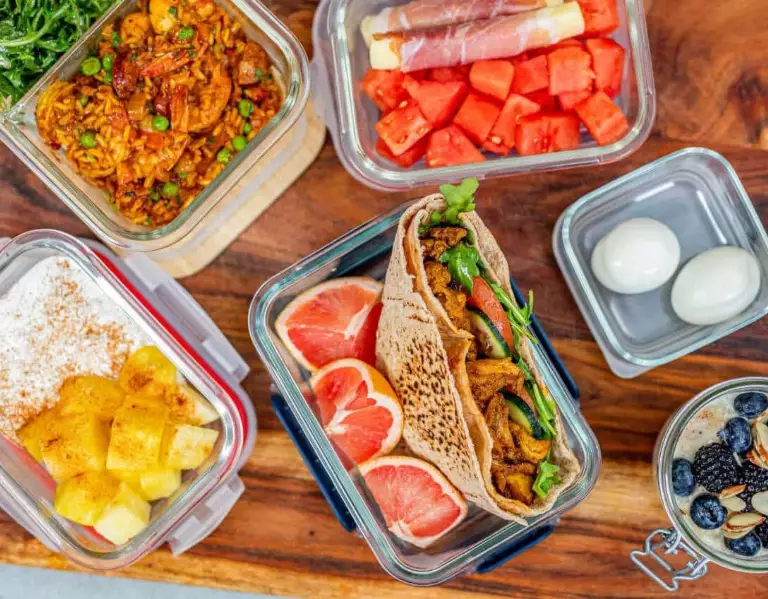
My personal container hack: Don't put wet dressings on salads in advance. Use a small 2-ounce condiment container (you can buy bags of them online) for dressing, and a larger container for the dry salad ingredients. Toss just before eating. Your greens will stay crisp for days.
3 Common Meal Prep Mistakes (And How to Avoid Them)
After coaching friends on meal prep for beginners, I see the same pitfalls over and over.
Mistake 1: Prepping five identical meals. This is the fastest route to burnout. Your taste buds get bored by Wednesday. The solution is the component method I outlined above. Create variety through sauces (a pesto, a yogurt sauce, a peanut sauce), fresh add-ons (avocado, nuts, fresh herbs), and different combinations.
Mistake 2: Ignoring texture and seasoning. Food can taste mushy and bland after days in the fridge if you're not careful. Undercook your pasta and grains slightly—they'll finish cooking when reheated. Add fresh, crunchy elements later (like sliced radishes, cucumbers, or nuts). And season aggressively! Food tastes less vibrant when cold, so don't be shy with salt, acid (lemon juice, vinegar), and herbs during the initial cook.
Mistake 3: Not considering food safety. This is crucial. Cooked food should be refrigerated within two hours of cooking. Invest in a fridge thermometer to ensure it's at or below 40°F (4°C). According to the USDA's Food Safety guidelines, most cooked meals are safe in the fridge for 3-4 days. If you're prepping for the full week, plan to freeze meals for Thursday/Friday on Sunday, and move them to the fridge on Wednesday to thaw safely.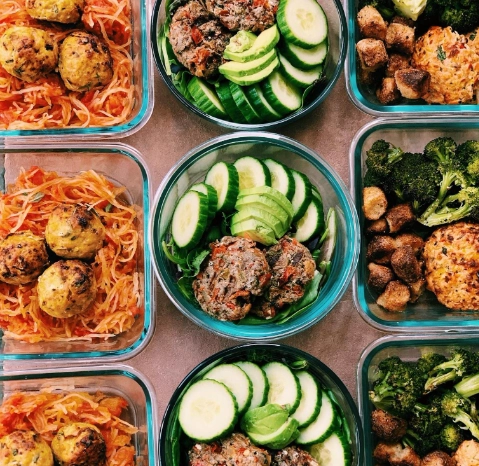
Reader Comments