Let's be honest. The 12:30 PM scramble at your desk is a universal experience. You're hungry, you're busy, and the siren call of the overpriced sandwich shop or the soggy cafeteria pizza is strong. You end up spending $15 on something that leaves you feeling sluggish for the rest of the afternoon. I've been there more times than I care to admit.
But what if you could open your fridge on a Monday morning and see four delicious, healthy lunches ready to go? Not sad salads or boring chicken and broccoli, but meals you're actually excited to eat. That's the power of meal prepping lunches for work. It's not about deprivation or spending your entire Sunday in the kitchen. It's about a smart, efficient system that gives you back control over your time, your health, and your wallet. I've been doing this for nearly a decade, and I'm here to share the ideas and systems that actually work, not just the theory.
Your Quick Prep Guide
Why Bother? The Real Benefits Beyond Saving Money
Everyone talks about saving money, and it's true. Packing your lunch can easily save you $50-$75 a week. But the hidden benefits are what make it stick.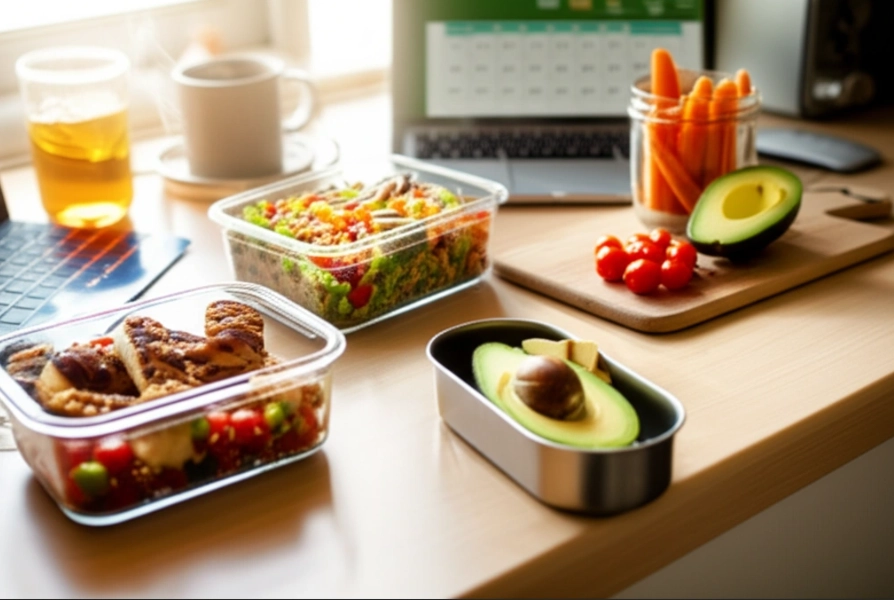
Mental Bandwidth. Deciding what to eat for lunch is a tiny decision, but it consumes mental energy. By making that decision once on Sunday, you free up that brain space for the rest of the week. No more 11 AM hunger-anxiety.
Consistent Energy. When you control the ingredients, you control your afternoon energy crash. Say goodbye to the 3 PM sugar slump fueled by a takeout burrito. A balanced, prepped lunch with protein, fiber, and healthy fats provides steady fuel.
Portion Control on Autopilot. It's incredibly easy to overeat when ordering in. Your pre-portioned container is a built-in stop sign.
Most people fail at meal prep because they try to replicate Instagram-perfect, 10-container spreads on their first try. It's overwhelming. Start with prepping lunches for just 2 or 3 days. That's a win.
Meal Prep Foundations: Gear & Mindset
You don't need a kitchen full of gadgets. You need three things:
- Good Containers: This is non-negotiable. Leaky containers ruin everything. Invest in a set of glass containers with locking, leak-proof lids. They're microwave-safe, don't stain, and last for years. The Consumer Reports website often has great comparisons on food storage containers.
- A Sharp Knife & Big Cutting Board: Efficiency starts here. Dull knives are dangerous and slow.
- Sheet Pans & a Large Pot: For roasting vegetables and cooking grains/proteins in bulk.
Three Winning Meal Prep Recipes for the Office
These are my workhorses. They're designed for variety, texture, and they actually reheat well.
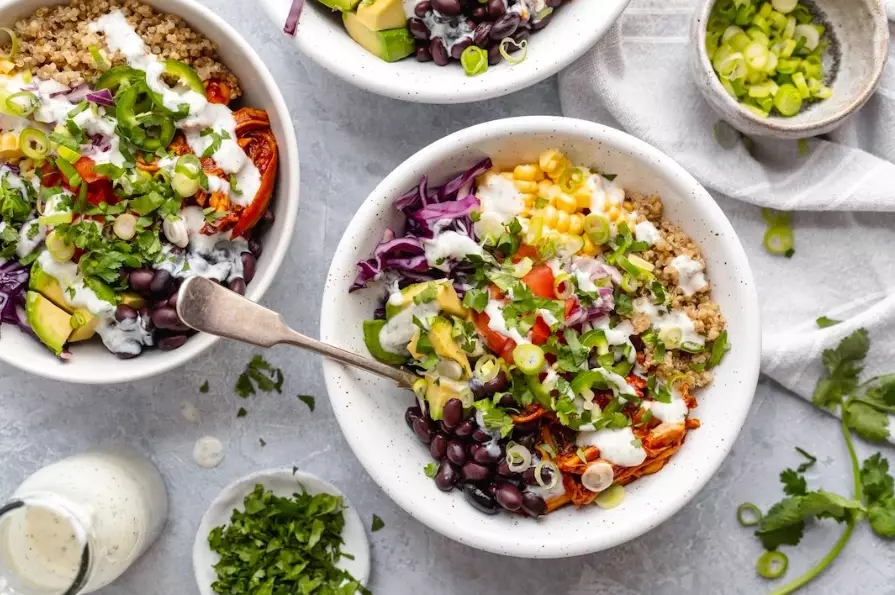
1. The "Never Boring" Asian-Inspired Chicken & Veggie Bowl
This is a master template. The sauce is everything.
Components (for 4 lunches):
- Protein: 1.5 lbs chicken thighs, diced and roasted with salt, pepper, and garlic powder.
- Grain: 2 cups cooked brown rice or quinoa.
- Veggies: 1 large head of broccoli and 2 bell peppers, chopped and roasted.
- Sauce: Whisk together 1/4 cup soy sauce (or tamari), 2 tbsp rice vinegar, 1 tbsp honey or maple syrup, 1 tsp grated ginger, 1 minced garlic clove, and 1 tsp sesame oil.
- Toppings (pack separately): Sliced green onions, sesame seeds, a lime wedge.
Sunday Action: Cook rice, roast chicken and veggies on separate sheet pans (425°F for 20-25 mins). Let cool. Divide rice, chicken, and veggies into containers. Store sauce in a small separate container or jar.
Monday Morning: Pour sauce over the bowl, add fresh toppings. The cold sauce on the warm components (after reheating) is fantastic.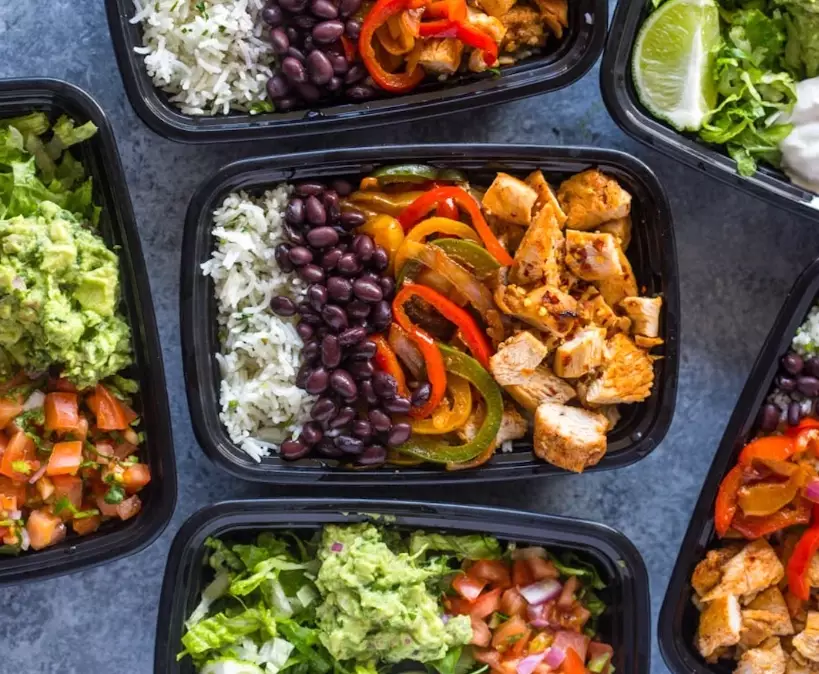
2. No-Cook Mediterranean Chickpea Salad Jar
Perfect for days you want a cold lunch. The layering is key to prevent sogginess.
Layers from bottom to top (in a quart-sized jar):
- Dressing: 3 tbsp Greek vinaigrette (olive oil, red wine vinegar, oregano, Dijon).
- Sturdy Veggies: Diced cucumber, cherry tomatoes, red onion.
- Protein/Heartiness: 1 cup chickpeas (rinsed and drained).
- Barrier: A handful of baby spinach or arugula.
- Cheese/Crunch: Crumbled feta cheese and kalamata olives.
When ready to eat, shake vigorously or dump into a bowl. The greens stay perfectly crisp. According to a study cited by the Harvard T.H. Chan School of Public Health, a Mediterranean-style diet is consistently linked to better health outcomes.
3. The Grab-and-Go Turkey & Hummus Wrap
Sometimes you just want a wrap. The trick is to prevent it from getting soggy.
Assembly (per wrap): Spread 2 tbsp hummus on a whole-wheat tortilla. This acts as a moisture barrier. Add slices of roasted turkey, thinly sliced cucumber, shredded carrots, and a big handful of spinach. Do not add tomatoes or wet dressings. Roll tightly.
Storage: Wrap tightly in parchment paper, then in foil or place in a container. The parchment keeps the tortilla from sticking and getting gummy. They'll hold for 3 days in the fridge.
Beyond Recipes: The Strategy for No-Boring-Lunches
Recipes are just one piece. The system is what makes you consistent. Use this mix-and-match table to build endless combinations without a recipe.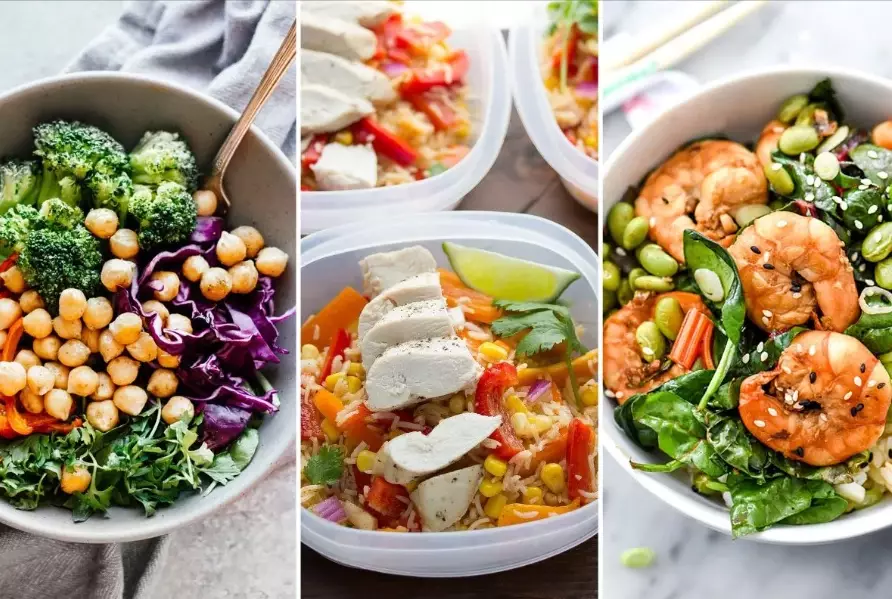
| Protein (Cook 2 lbs) | Carbs/Grains (Cook 2-3 cups dry) | Veggies (Roast 2-3 trays) | Flavor Boosters (Add Fresh) |
|---|---|---|---|
| Shredded chicken (slow cooker) | Quinoa | Sweet potato cubes | Pesto |
| Ground turkey (with taco seasoning) | Brown rice | Broccoli florets | Lemon-tahini sauce |
| Baked tofu or tempeh | Farro or barley | Bell pepper strips | Fresh herbs (cilantro, parsley) |
| Black beans (canned, rinsed) | Whole-wheat pasta | Zucchini & mushrooms | Toasted nuts/seeds |
On Sunday, pick one from each column. Cook them all. Now you have the building blocks for grain bowls, salads, and wraps all week. Combine them differently each day.
The Make-or-Break Detail: Storing & Reheating Right
This is where most good prep goes bad.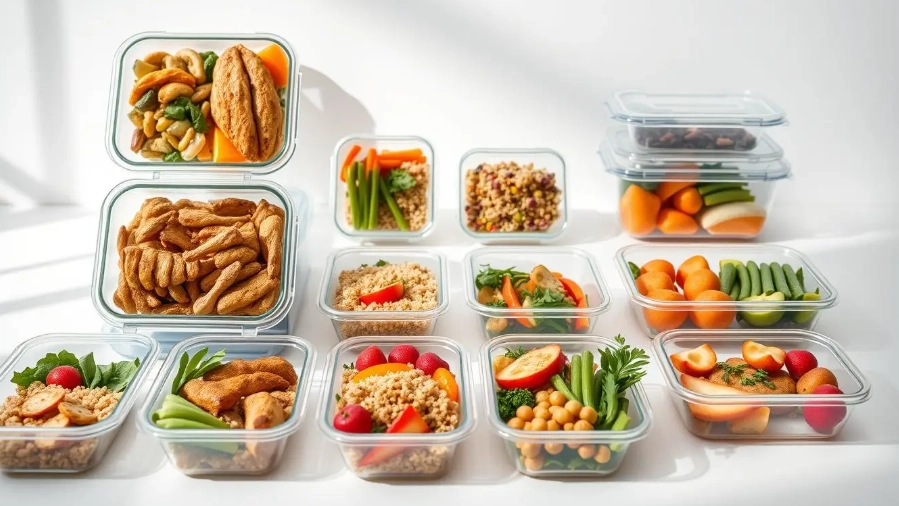
How to Store for Maximum Freshness
Let all cooked components cool completely before putting the lid on. Trapped steam creates condensation, which turns everything mushy and can promote bacterial growth. Store dressings and sauces separately, always. Keep delicate greens and herbs in a separate bag with a paper towel to absorb moisture.
How to Reheat Without Drying Out
For grain bowls: Add a tablespoon of water or broth to the container before microwaving. Cover loosely with a damp paper towel. This creates steam and rehydrates the food. Microwave in 60-second intervals, stirring in between. For things like chicken, reheating at 50% power for a longer time is gentler and prevents rubberiness.
Your Meal Prep Questions, Answered
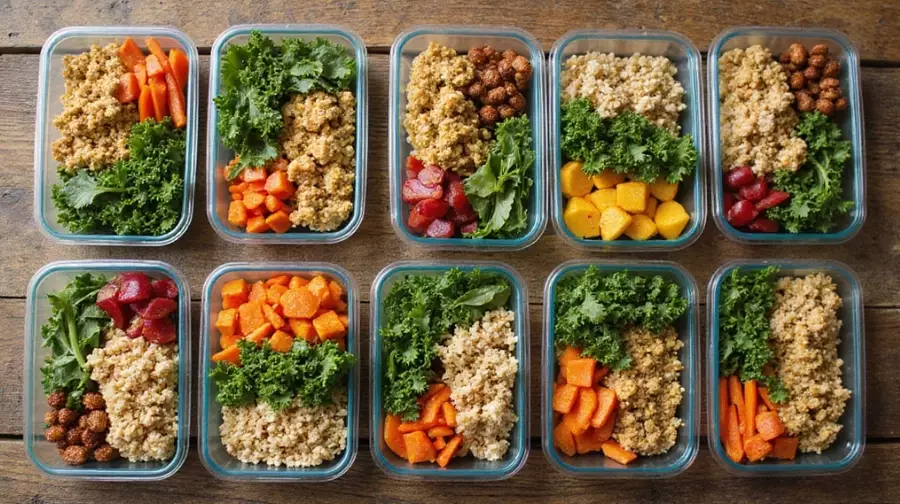 What are the best foods that actually taste good reheated in the office microwave?
Reader Comments