Quick Navigation
- Why the Classic Lunchable Fails for Blood Sugar Control
- The Building Blocks of Your Perfect Diabetic Lunch Box
- 5 "No-Cook" Adult Lunchable Ideas for Diabetics (Ready in 5 Minutes)
- Essential Gear and Packing Tips for Success
- Navigating Common Challenges and Questions
- A Word on Store-Bought "Healthy" Kits
- The Long-Term Benefits Beyond Blood Sugar
Let's be real. The idea of a Lunchable isn't just for kids. There's something incredibly appealing about a ready-to-eat, compartmentalized lunch that requires zero assembly at your desk. No reheating, no mess. But if you're managing diabetes, peeking into the classic store-bought version is a quick trip to disappointment—processed meats, refined crackers, sugary treats. It's pretty much a blood sugar rollercoaster in a box. So, what's a good adult Lunchable for diabetics? It's one you build yourself, with intention, flavor, and your health in mind.
I remember trying to make this work years ago. I'd grab a pre-packaged adult lunch kit, check the carbs, and think "maybe it's okay." An hour later, I'd feel sluggish and foggy. Not ideal for the afternoon workload. That's when I realized the store-bought stuff, even the "healthier" versions, rarely get it right for consistent blood sugar management. The answer isn't in the supermarket cooler aisle; it's in your fridge and a good lunch container.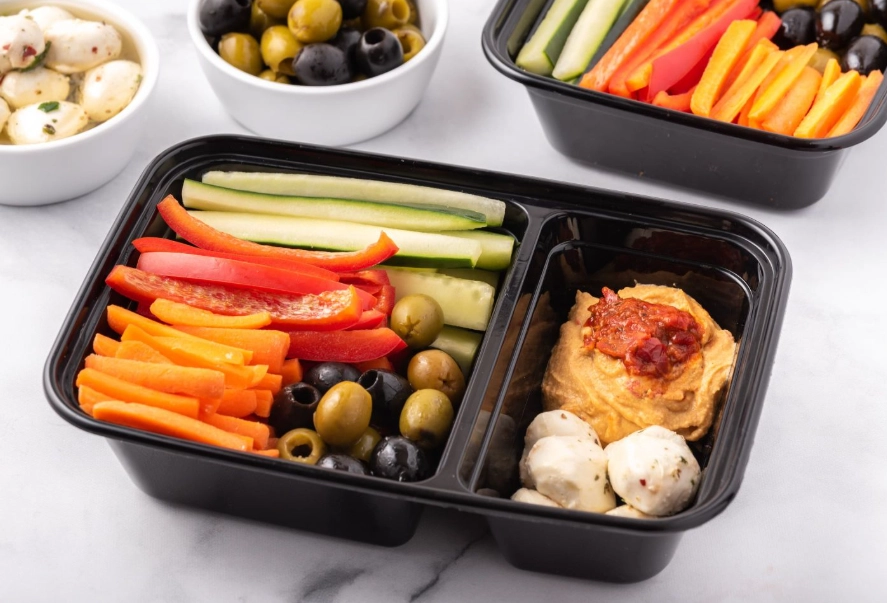
Why the Classic Lunchable Fails for Blood Sugar Control
It's useful to understand why the original concept misses the mark. It's not just about total carbs—it's about the type of carbs and the lack of balancing nutrients.
Most commercial kits are heavy on refined carbohydrates. Think white flour crackers, mini bagels, or pretzels. These break down into glucose rapidly. Pair that with processed meats (often high in sodium and preservatives) and a tiny, often sugary dessert, and you have a meal that's low in fiber and protein—the two key players for satiety and stable glucose levels. The American Diabetes Association's nutrition guidelines consistently emphasize choosing high-fiber, whole foods over processed ones, which is the exact opposite of the standard Lunchable blueprint.
So, when we ask "what's a good adult Lunchable for diabetics?", we're asking for a complete redesign.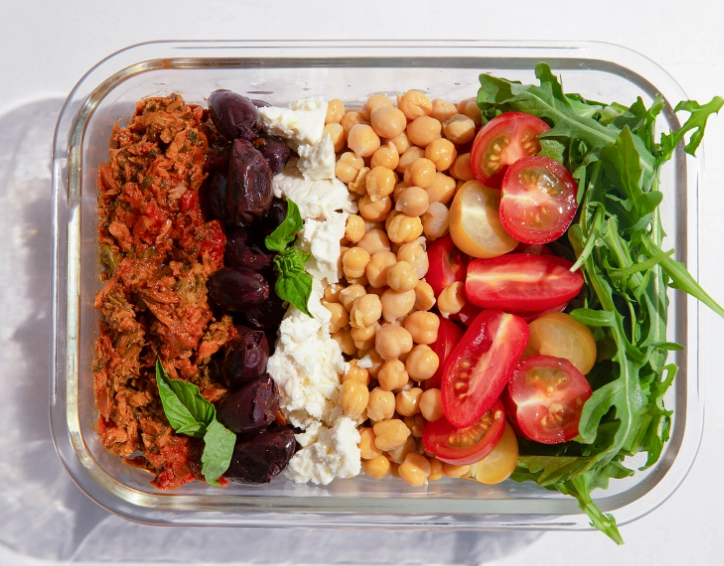
The Building Blocks of Your Perfect Diabetic Lunch Box
Forget following a single rigid recipe. The magic is in mastering the formula. Think of it like a puzzle with four key pieces. Get one from each category, and you've got a winning meal.
The Protein Powerhouse (Aim for 15-25g per meal)
Protein is your anchor. It slows digestion, increases fullness, and has a minimal direct impact on blood sugar. This is the most crucial element to get right.
- Lean Meats & Poultry: Sliced grilled chicken breast, turkey breast, roast beef (look for low-sodium deli slices or, better yet, cook and slice your own).
- Fish: Canned tuna or salmon (packed in water), flaked cooked salmon, a few sardines.
- Hard-boiled Eggs: A classic for a reason. Prep a batch on Sunday.
- Cheese: Cheese sticks (mozzarella, cheddar), babybel, or cubed cheese (like feta or halloumi). Watch portions as it's calorie-dense.
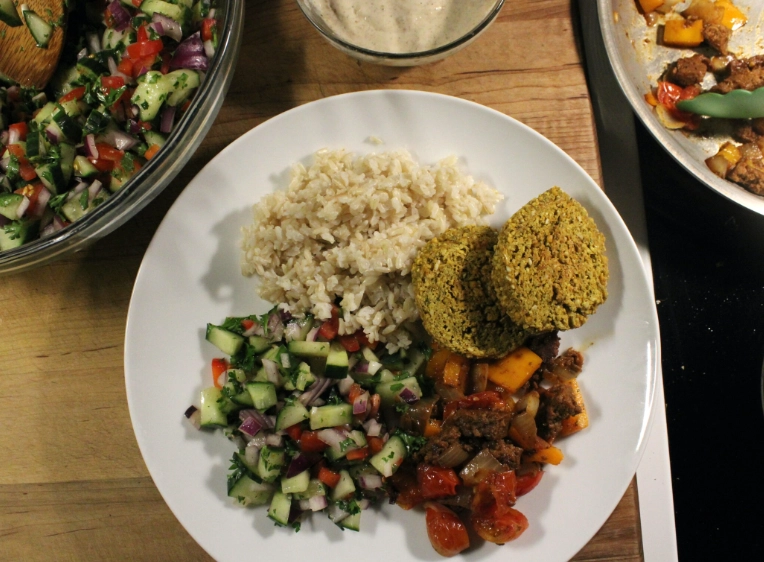
- Plant-Based: Chickpeas, black beans, edamame, baked tofu cubes, or a small serving of hummus.
The Smart Carb & Fiber Foundation
This is where you can be creative. The goal is slow-release carbs paired with plenty of fiber.
- Whole Grain & Seed Crackers: Look for brands where the first ingredient is "whole wheat flour" or a seed/legume flour, and with at least 3g of fiber per serving. Mary's Gone Crackers or Wasa crispbreads are great.
- High-Fiber Bread: One small slice of genuine whole-grain or seeded bread, cut into "soldiers" for dipping.
- Non-Starchy Veggies as "Crackers": This is a game-changer. Use thick slices of cucumber, bell pepper strips, endive leaves, or romaine lettuce hearts as your vehicle.
- Whole Fruit (in moderation): A small apple, a cup of berries, or a clementine. Berries are particularly fantastic for their high fiber and antioxidant content.
The Healthy Fat Boost
Fat adds flavor, helps absorb fat-soluble vitamins, and further slows the meal's glycemic response.
- Nuts & Seeds: A small handful of almonds, walnuts, or pumpkin seeds.
- Avocado: A few slices or a small scoop of guacamole (add lime juice to prevent browning).
- Olives: A few kalamata or green olives.
- Dips & Spreads: A tablespoon or two of guacamole, tzatziki, or a nut-based dip.

The Crunch & Color (Non-Starchy Vegetables)
Fill half your box with these! They add volume, crunch, vitamins, minerals, and very few digestible carbs.
Broccoli florets, cherry tomatoes, sugar snap peas, radishes, carrot sticks (in moderation), celery, bell pepper in every color, jicama sticks, raw green beans. The more color, the better.
Putting It All Together: Sample Macronutrient Breakdown
Let's look at a typical combo: 3 oz grilled chicken, 1/2 cup cherry tomatoes + cucumber, 6 whole-grain seed crackers, 1 oz cheese, and 10 almonds. This might offer roughly: ~30g Protein, ~25g Net Carbs, ~20g Fat, and 8-10g Fiber. This balance is what makes it a truly good adult Lunchable for diabetics—it supports sustained energy.
5 "No-Cook" Adult Lunchable Ideas for Diabetics (Ready in 5 Minutes)
| Theme | Protein | Smart Carb/Fiber | Veggies & Extras | Why It Works |
|---|---|---|---|---|
| The Mediterranean Box | 2 hard-boiled eggs, 1 oz feta cheese cubes | 3-4 whole grain olive oil crackers | Cucumber slices, cherry tomatoes, 5-6 kalamata olives, small handful of almonds | Rich in monounsaturated fats (olives, almonds), protein from eggs, and fiber from veggies. The flavors are bright and satisfying. |
| The Protein Platter | 3 oz sliced roast turkey, 1 mozzarella cheese stick | Bell pepper strips & romaine leaves (as "wraps") | Carrot sticks, sugar snap peas, 2 tbsp hummus for dipping | Uses veggies as the vessel, cutting carbs significantly. Hummus adds plant-based protein and fiber. Very crunchy and filling. |
| The Salmon Salad Scoop | 1 small can salmon (mixed with a little Greek yogurt & dill) | Endive leaves or thick cucumber rounds | Radishes, steamed & chilled asparagus spears, lemon wedge | Packed with omega-3s. The endive or cucumber acts as a perfect, sturdy scoop. Light but incredibly nutrient-dense. |
| The Southwest Fiesta | 1/2 cup black beans (rinsed), 1 oz shredded cheddar | Jicama sticks (natural sweetness, high fiber) | Bell pepper strips, cherry tomatoes, 2 tbsp salsa, 1/4 avocado (sprinkled with salt) | Plant-powered. Beans provide massive fiber and protein. Avocado gives creamy healthy fat. Salsa adds flavor without sugar. |
| The Snack Attack | 1/2 cup shelled edamame, 1 oz cubed cheddar | 1 small apple (sliced) | Broccoli florets, 1 tbsp almond butter (for apple dipping) | Great texture variety. Edamame is a complete plant protein. Almond butter pairs perfectly with apple for a controlled sweet fix. |
See? You don't need a recipe. You need a formula and a well-stocked kitchen.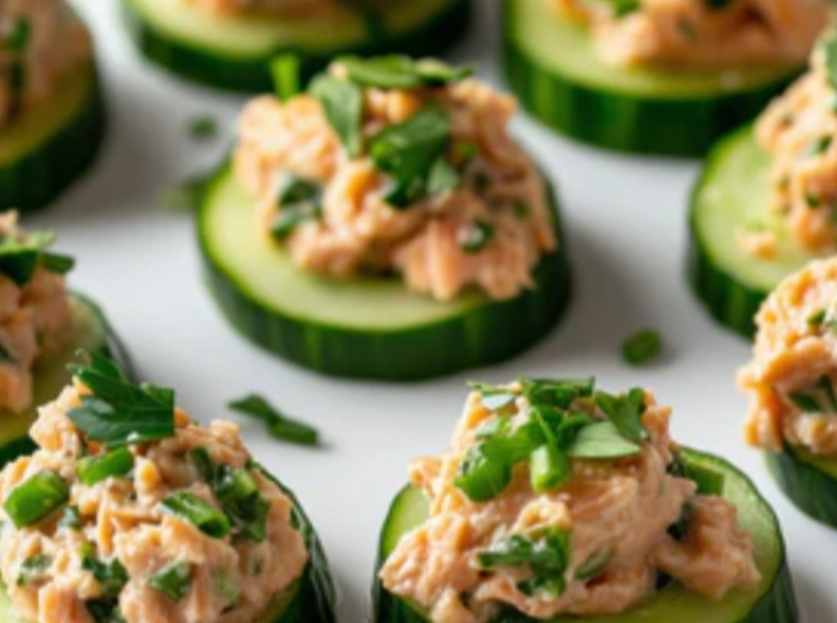
Essential Gear and Packing Tips for Success
The right container makes this lifestyle easy. I've tried flimsy containers that leak and it ruins the whole experience.
Invest in a good bento-style box with tight-sealing compartments. Glass containers are great for preventing odors and are easy to clean, but heavier. Durable, BPA-free plastic bento boxes work well too. The separate compartments naturally help with portion control and keep items from getting soggy.
For food safety, include a small ice pack in your lunch bag, especially if you have cheese, eggs, or meat. An insulated lunch bag is a worthwhile investment.
Navigating Common Challenges and Questions
This is a big one. Conventional deli meats are often high in sodium and contain preservatives like nitrates/nitrites. The American Heart Association and other health bodies suggest limiting them. Your best bets are: 1) Look for low-sodium, nitrate-free options at the deli counter. 2) Even better, cook a chicken breast or turkey tenderloin yourself on Sunday and slice it thin. It tastes better, you control the salt, and it's often cheaper. Roast beef you cook yourself is another great option.
It's simpler than it seems. Focus on counting the carbs from your designated "Smart Carb" compartment—the crackers, bread, fruit, or starchy veg like carrots. The non-starchy veggies (broccoli, peppers, lettuce) have so few digestible carbs they often don't need to be meticulously counted (though always confirm with your healthcare team). Use resources like the USDA's FoodData Central for accurate carb info on whole foods. After a week of packing similar boxes, you'll get a feel for your standard carb load.
Boredom is the enemy of any meal plan. Fight it with themes and global flavors.
- Monday: Mediterranean (olives, feta, cucumber).
- Tuesday: Mexican (salsa, black beans, avocado, lime).
- Wednesday: Asian-inspired (edamame, baked tofu with sesame seeds, snap peas).
- Thursday: Italian (mozzarella, tomato, basil, balsamic glaze on the side).
- Friday: "Clean-out-the-fridge" day—mix and match whatever proteins and veggies are left.
Change up your dips weekly: hummus one week, tzatziki the next, then guacamole, then a white bean dip.
The core principles of balanced macronutrients, high fiber, and whole foods are beneficial for all types of diabetes and prediabetes. For people with Type 1 diabetes, the predictable and compartmentalized nature of these boxes can make insulin dosing more straightforward, as the carb sources are isolated and measurable. Always, always pair this with monitoring your own blood glucose response. What works perfectly for one person might need tweaking for another. The National Institute of Diabetes and Digestive and Kidney Diseases (NIDDK) provides excellent overarching management resources.
A Word on Store-Bought "Healthy" Kits
You'll see more brands offering "adult lunchables" or protein boxes. Some are better than others, but you must become a label detective.
Check for:
- Total Carbohydrates & Fiber: Aim for a fiber-to-total-carb ratio of at least 1:5 (e.g., 5g fiber for every 25g total carbs).
- Sugar: Keep added sugars as low as possible. Sugar in the form of dried fruit or a sweet dip can add up fast.
- Protein: It should have at least 15g of protein to be substantial.
- Sodium: Many kits are salt bombs. Try to keep it under 600mg for the whole meal.
Honestly, most still don't hit the mark perfectly. They might skimp on veggies or use a sugary dressing. Making your own is almost always the superior choice for cost, nutrition, and personalization. But in a true pinch, a kit with grilled chicken, cheese, nuts, and maybe some grapes can be an okay backup—just supplement it with extra veggies from home.
The Long-Term Benefits Beyond Blood Sugar
Figuring out what's a good adult Lunchable for diabetics does more than just keep your glucose in range.
It saves money compared to daily takeout. It reduces decision fatigue—you prep once, eat all week. It increases your intake of vegetables and fiber almost effortlessly. And there's a psychological benefit to opening a beautiful, colorful box you made for yourself. It feels like self-care.
It turns lunch from a potential stressor ("What can I eat that won't spike me?") into a simple, enjoyable routine. You gain control and confidence.
So, the next time you're wondering what's a good adult Lunchable for diabetics, remember: it's not a product you buy. It's a simple, flexible system you own. Grab a container, pick a protein, choose a smart carb, load up on colorful veggies, add a dash of healthy fat, and pack it up. Your taste buds—and your blood sugar—will thank you.
Reader Comments