If you're tired of greasy, deep-fried chicken tenders but crave that crispy crunch, air fryer chicken tenders are your answer. I've been making these for years, and they've become a weekly staple in my house—perfect for busy nights or when you want something satisfying without the guilt. In this guide, I'll walk you through everything from choosing the right chicken to avoiding the soggy coating trap that catches many beginners. Let's get started.
Your Quick Guide to Perfect Chicken Tenders
Why Air Fryer Chicken Tenders Beat Deep Frying
You might wonder if air fryer chicken tenders can really match the taste of deep-fried ones. I had my doubts too, until I tried it. The air fryer uses hot air circulation to crisp up the coating, reducing oil by up to 80% compared to traditional frying. According to a report from the Harvard T.H. Chan School of Public Health, reducing fried food intake can lower health risks, and air frying is a smart alternative. Plus, it's faster—no waiting for oil to heat up, and cleanup is a breeze. My kids can't tell the difference, and I feel better serving it.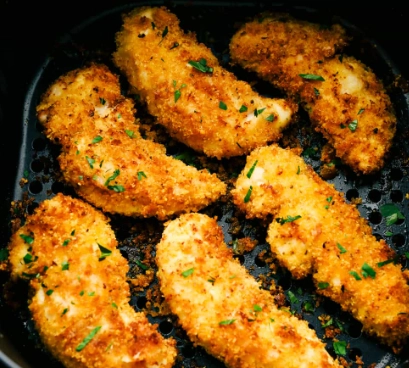
Here's a quick comparison I noted from my own kitchen:
- Time: Air frying takes about 12-15 minutes, while deep frying needs 20+ minutes including oil prep.
- Oil used: Air fryer: 1-2 tablespoons; Deep fryer: 4-6 cups.
- Texture: Both get crispy, but air-fried tenders are lighter and less greasy to the touch.
I once made a batch for a party, and guests asked for the recipe thinking I'd slaved over a fryer. Nope—just my trusty air fryer.
Step-by-Step: How to Make Air Fryer Chicken Tenders
Let's break down the process. This isn't just tossing chicken in the basket; a few tweaks make all the difference.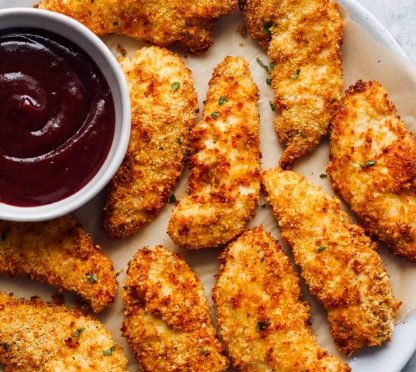
Choosing the Right Chicken
Start with fresh chicken tenders, not frozen if possible. Frozen can work, but you'll need to adjust—more on that later. Look for tenders that are evenly sized, about 1-inch thick, so they cook uniformly. I've found that organic chicken tends to be juicier, but any quality brand will do. Pat them dry with paper towels. This step is crucial; moisture is the enemy of crispiness.
Preparing the Coating
For the coating, I use a simple three-step station: flour, egg wash, and breadcrumbs. But here's a pro tip: add a tablespoon of cornstarch to the flour. It creates a lighter, crispier crust. For the breadcrumbs, panko works best because it's airier. Season each layer generously—I'll share my favorite blends in the next section.
Air Frying Time and Temperature
Preheat your air fryer to 400°F (200°C) for 5 minutes. Why preheat? It ensures even cooking from the start. I learned this the hard way when my first batch came out uneven. Arrange the tenders in a single layer, leaving space between them. Overcrowding leads to steam and sogginess. Cook for 10-12 minutes, flipping halfway through. Use a meat thermometer to check for an internal temperature of 165°F (74°C), as recommended by the USDA for safe chicken consumption.
If you're making a large batch, cook in multiple rounds. It's worth the wait.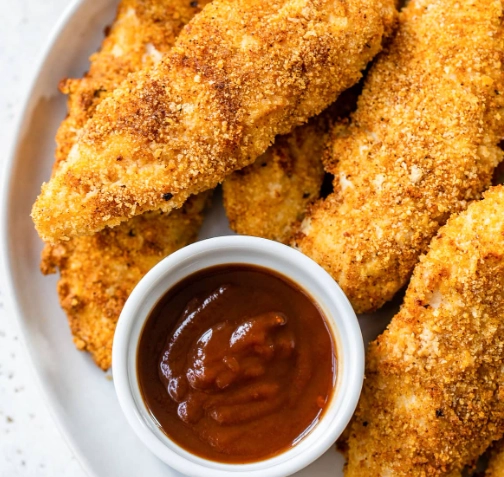
The Secret to Crispy Coating Every Time
Many recipes skip this, but the key is in the drying and resting. After coating the tenders, let them sit on a wire rack for 10 minutes before air frying. This allows the coating to set and adhere better. Also, lightly spray the tenders with cooking oil—just a mist, not a soak. I use an avocado oil spray for its high smoke point.
Another trick: if your coating seems thin, double-dip in the egg and breadcrumbs. It adds extra crunch without becoming heavy. I tested this side-by-side, and the double-dipped ones stayed crispier after cooling.
Seasoning Ideas: From Classic to Creative
Seasoning is where you can get creative. Here's a table of my top combinations, tested over dozens of batches:
| Seasoning Blend | Ingredients | Best For |
|---|---|---|
| Classic Southern | Garlic powder, onion powder, paprika, salt, black pepper | Family dinners, kids love it |
| Spicy Buffalo | Cayenne pepper, chili powder, a dash of hot sauce in egg wash | Game day snacks, adults only |
| Herb Mediterranean | Dried oregano, thyme, lemon zest, garlic | Light meals, pairing with salads |
| Asian-Inspired | Soy sauce in egg wash, sesame seeds in breadcrumbs | Quick stir-fry substitute |
For a marinade, try soaking the chicken in buttermilk for 30 minutes before coating. It tenderizes and adds flavor. I often do this in the morning for dinner—it's a game-changer.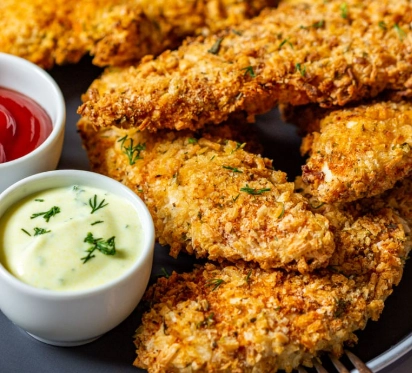
If you're short on time, a store-bought seasoning mix works, but check the salt content. I once used one that made the tenders too salty, so now I mix my own.
Common Pitfalls and How to Dodge Them
Even with a good recipe, things can go wrong. Here are mistakes I've seen—and made myself—with solutions.
Soggy coating: This usually happens from excess moisture. Ensure the chicken is patted dry, and don't skip the preheating. Also, avoid using too much oil spray; a light coat is enough.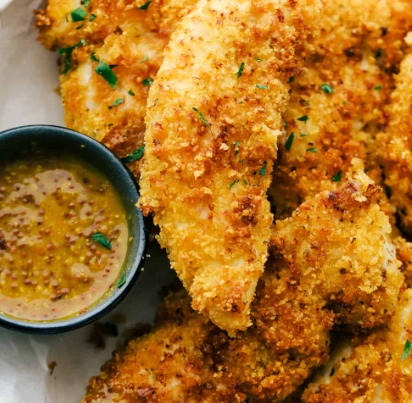
Uneven cooking: If tenders vary in size, cut them to similar thickness. I keep a kitchen scale handy to weigh them—aim for 4-5 ounces each. If some are thicker, cook them a minute longer.
Coating falling off: Let the coated tenders rest before cooking. The egg wash needs time to bind. If it's still an issue, try chilling them in the fridge for 15 minutes.
Dry chicken: Overcooking is the culprit. Use that meat thermometer. Chicken tenders cook fast, so start checking at 10 minutes. Remember, they'll continue to cook a bit after removal.
I recall a dinner where I got distracted and overcooked a batch. They were edible but tough. Now, I set multiple timers.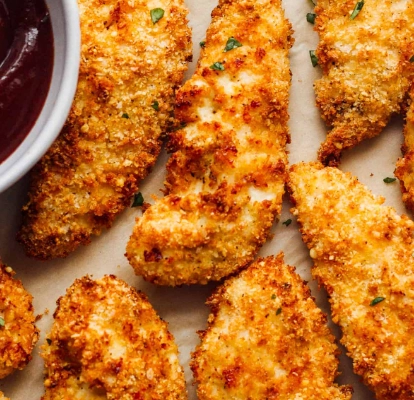
FAQ: Solving Your Air Fryer Chicken Tender Problems
There you have it—a comprehensive guide to air fryer chicken tenders that covers the basics and dives into the nuances. Whether you're a beginner or looking to refine your technique, these tips should help you achieve crispy, juicy results every time. Give it a try and tweak it to your taste; that's the fun of cooking.
Reader Comments